Fast Water Cleanup After Sump Pump Failure Before Lower-Level Damage Spreads
Sump Pump Failure Cleanup in Greenville, SC
This Service Is About Removing Lower-Level Water Fast and Drying the Structure Before Moisture Spreads
What Sump Pump Failure Cleanup Actually Involves
Sump pump failure cleanup in Greenville, SC should begin with a direct answer: remove standing water quickly, identify how far it spread through the lower level, and begin structural drying before moisture expands into walls, flooring, storage contents, and structural materials. When a sump pump fails, the problem is not just that water is present. The bigger issue is how long that water remains pooled at the lowest point of the property and how much time it has to soak into nearby assemblies.
That matters in Greenville because heavy rain events, humidity, drainage stress, finished basements, lower-level utility rooms, and storage areas can all make sump-related flooding harder to stabilize. Once water stays in contact with lower wall sections, floor coverings, base trim, cabinets, or stored items, the cleanup moves beyond simple extraction and becomes a moisture-control and drying problem.
When Water Collects Low, It Saturates Materials Fast and Often Stays Hidden Longer
Why Sump Pump Failures Get Worse Quickly
A sump pump failure usually means water is rising or remaining in the part of the structure where drainage matters most. Because that water collects at the lowest level, it can stay in prolonged contact with drywall, trim, flooring, carpet pad, stored contents, and framing. In Greenville properties, humid conditions can also slow natural drying once the water is removed, which gives hidden moisture more time to remain active in lower-level assemblies.
Lower-level water tends to spread laterally and stay in contact with materials longer than many upper-floor losses.
Wall bases, flooring edges, storage items, and finished lower-level materials can become saturated quickly.
Fast extraction and moisture mapping help reduce how much of the structure remains wet after the sump issue is addressed.
The Problem Often Involves Repeated Exposure, Drainage Failure, and Broader Lower-Level Moisture Spread
Why Sump Pump Water Losses Are Different
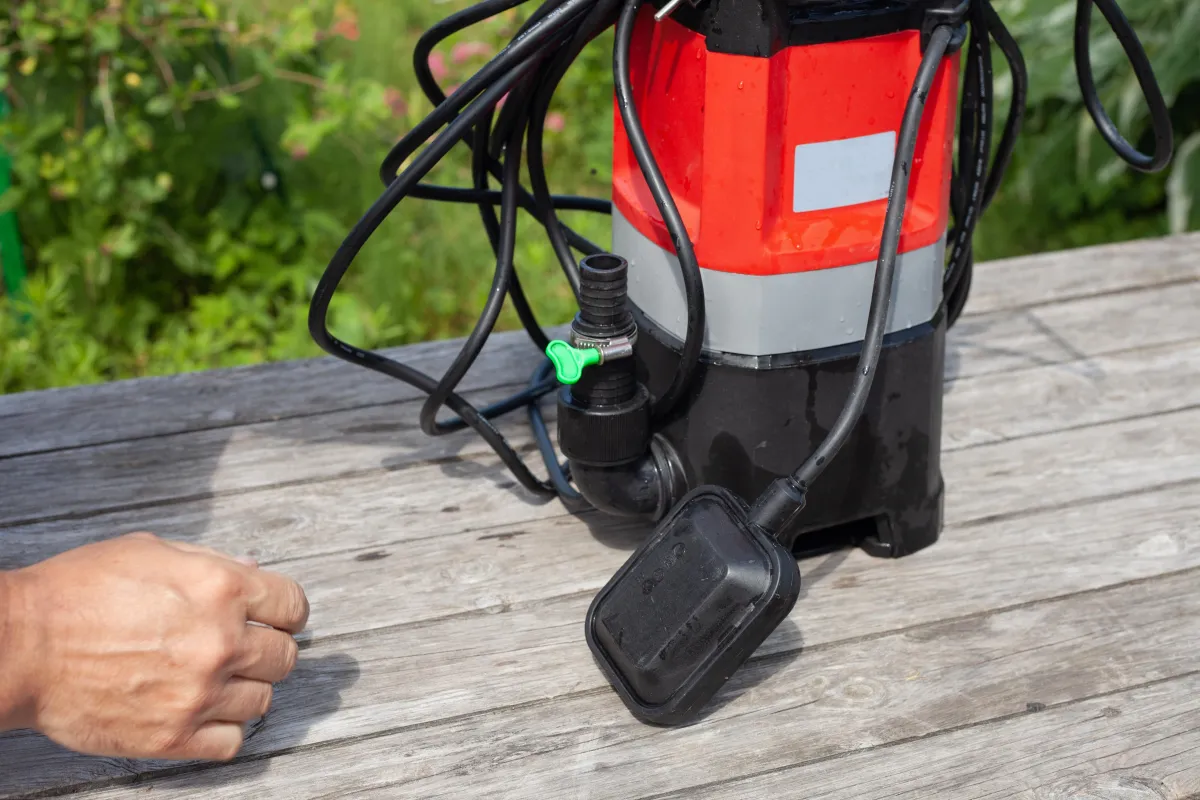
A sump pump failure is different from a single-room overflow because it often happens during periods when the property is already under moisture pressure from rainfall, groundwater, runoff, or drainage stress. That means the water loss may not be isolated to one small area. It can affect multiple sections of the lower level, especially if the water had time to pool before anyone noticed.
That changes the restoration plan. Cleanup has to account for how long the water remained present, whether the event may have happened more than once, what lower-level materials were affected, and how deeply moisture spread into wall assemblies, floor layers, and stored contents before extraction began.
Water Spreads Across Floors, Into Wall Bases, and Beneath Materials Faster Than Many Owners Expect
How Water From A Sump Failure Moves Through The Lower Level
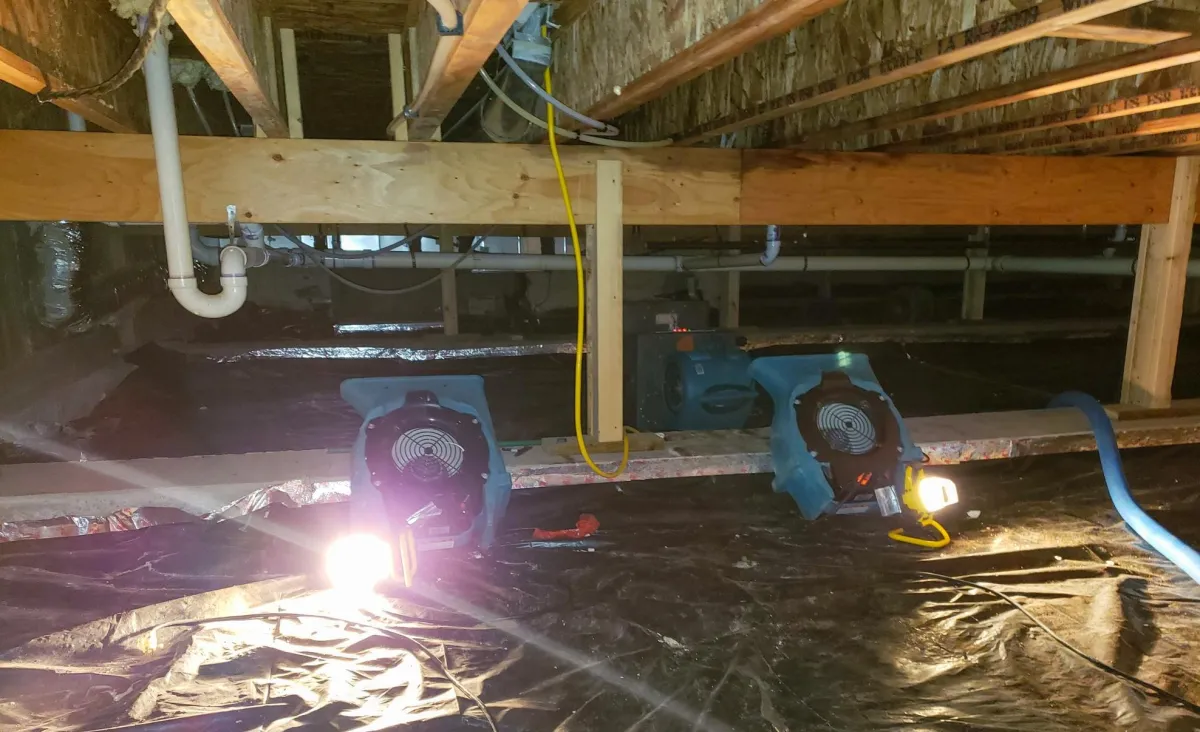
When a sump pump fails, water usually spreads across the lowest floor surface first, then begins feeding into nearby materials. It can wick into drywall at the base, soak carpet and pad, move under finished flooring, affect cabinets and shelving, and spread into storage areas and adjacent rooms. In Greenville homes with finished basements, utility spaces, slab-on-grade lower levels, or mixed flooring systems, the actual wet area may be larger than the visibly flooded section.
That is why sump pump cleanup has to be treated as both an extraction problem and a hidden moisture problem. Once the water reaches lower wall assemblies and floor systems, the restoration path depends on how much moisture those materials retained.
Removing Standing Water Is Only The First Step Because Retained Moisture Remains In The Structure
Why Structural Drying Matters After Sump Pump Failure
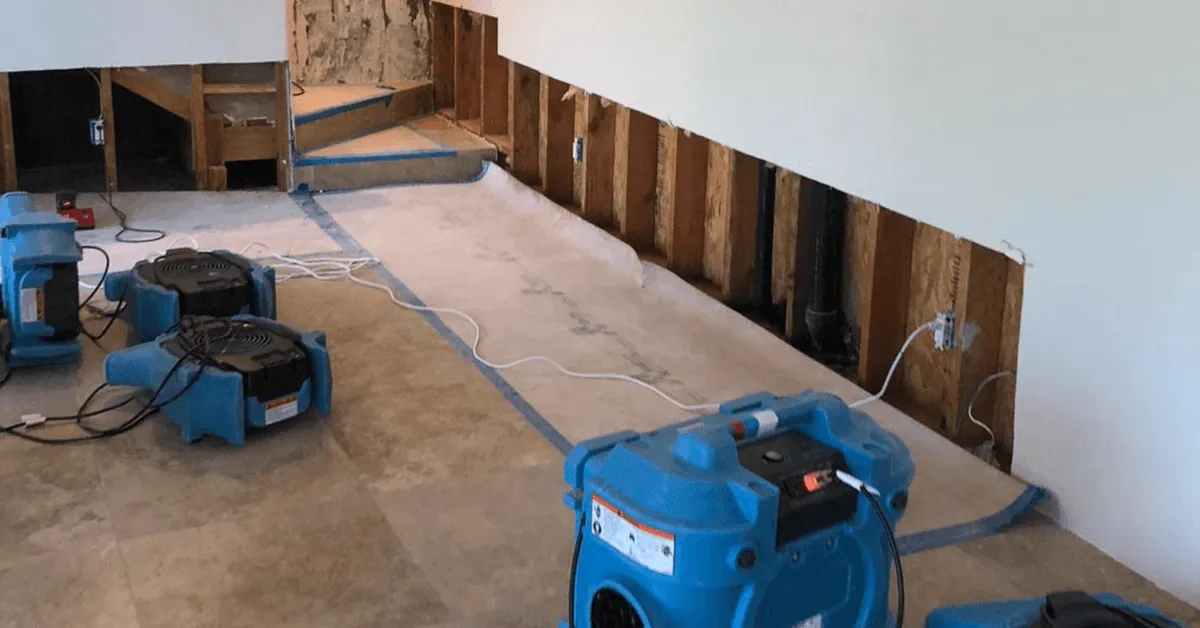
After the standing water is removed, the remaining problem is usually the moisture left behind in the materials. Drywall, base trim, flooring systems, framing, insulation, and nearby contents can continue holding water after the visible flooding is gone. A lower level may look better quickly, but that does not mean it is dry. Proper structural drying uses airflow, dehumidification, and monitoring so retained moisture leaves the building instead of staying trapped in the assembly.
In Greenville, this is especially important during humid weather or after storm-related water events when ambient moisture is already high. If the cleanup stops at water extraction, the property may still have hidden wet materials that continue deteriorating after the obvious emergency seems over.
Why Greenville Property Owners Call DryDoctors For Sump Pump Failure Cleanup
24/7 Water Removal Service: Sump pump failures worsen while water stays pooled at the lowest level. Fast response helps reduce how long floors, walls, and stored contents remain in contact with water.
Fast Basement & Crawl Space Drying: Heavy rain, humid weather, drainage pressure, finished lower levels, and local storm patterns all affect how sump-related flooding behaves in Greenville properties.
Mold Prevention After Flooding: We treat every surface to stop future growth. The visible water line rarely shows the full wet footprint. Lower walls, flooring edges, storage areas, and adjacent rooms often hold hidden moisture after a sump failure.
Moisture Testing & Structural Checks: We detect hidden water and inspect key areas. A pumped-out lower level is not the same as a dried structure. The goal is to remove retained moisture from the materials that absorbed the water.
Licensed, Insured, and Local: Trusted cleanup crews serving Greenville SC for years. Extraction, drying, and material evaluation should be based on how water spread through the lower-level structure, not just how the room looks after cleanup.
Don't worry, we can help!
Good Sump Pump Failure Cleanup Helps Keep A Lower-Level Water Loss From Becoming A Larger Restoration Problem
The most useful response to sump pump failure is the one that changes the direction of the loss early. By removing standing water, mapping hidden moisture in lower walls and floor systems, and starting controlled drying quickly, the restoration process can reduce how much of the lower level remains wet after the immediate flooding is over. In Greenville, where humidity and heavy rain can slow the drying cycle, that early control often determines whether the project stays manageable or expands into a broader structural issue.
Full damage Fast extraction reduces how long lower-level water can stay in contact with walls, floors, and stored contents.documentation for insurance claims
Moisture mapping helps identify hidden wet areas beyond the visibly flooded section.
Controlled drying helps move the property from active flooding toward a more stable restoration phase.
Storm Runoff, Humidity, Drainage Pressure, and Lower-Level Construction All Affect The Damage
Why Local Conditions Matter In Greenville Sump Pump Failures
Sump pump failure cleanup in Greenville is shaped by local conditions. Heavy rain can increase runoff and groundwater pressure around the lower part of the structure. Humidity slows natural drying once the flooding occurs. Homes with finished lower levels, drainage vulnerabilities, utility spaces, or mixed flooring systems may experience wider water spread and slower recovery. Older properties can also have lower-level layouts that let water travel farther before it is discovered.
That local context matters because a sump pump failure is not only about the pump itself. In Greenville and the surrounding Upstate, it is often a lower-level moisture and drying problem tied to weather patterns, drainage conditions, and how the property is built.
What Property Owners Usually Need To Know After A Lower-Level Flood
Sump Pump Failure Cleanup Questions In Greenville
These are the most common early questions after sump pump failure in Greenville: how fast cleanup should begin, why lower-level flooding spreads so easily, what may still be wet after pumping, and why structural drying still matters.
How quickly should sump pump failure cleanup begin after water is discovered?
As quickly as possible. Water at the lowest level of the property tends to remain in contact with floors, walls, and stored materials longer, which increases saturation. Early extraction helps reduce how much of the lower-level structure becomes wet.
Is removing the standing water enough to finish the job?
No. Extraction removes visible water, but moisture already absorbed into drywall, flooring, trim, insulation, and structural materials still has to be identified and dried properly.
Why does sump pump flooding often affect more than one area?
Water spreads laterally across the lowest floor surface and then feeds into nearby wall bases, flooring edges, storage areas, and connected lower-level rooms. That is why the visible flooding may not represent the full wet footprint.
What commonly triggers sump pump failure flooding in Greenville?
Common causes include heavy rain, drainage overload, power-related interruptions, mechanical pump failure, discharge problems, and water entering faster than the system can handle during storm periods.
Proudly Serving Greenville and the Upstate’s Largest Cities
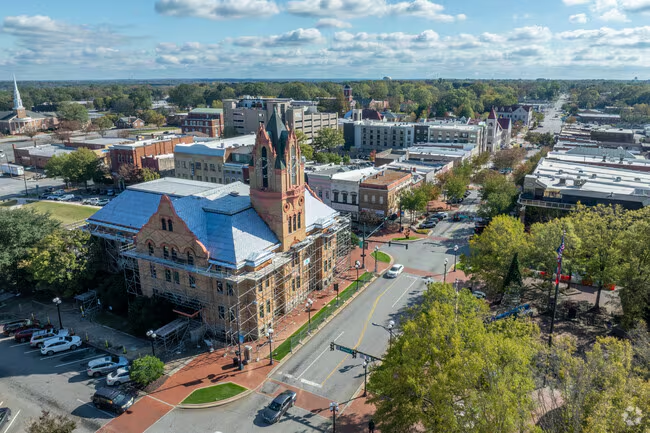
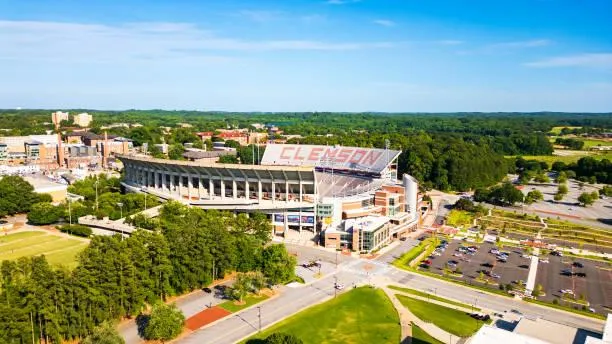
Water Damage Restoration Services Across Greenville and Surrounding Areas
More Cleanup, Drying, And Restoration Solutions For Different Water Loss Scenarios
Related Water Damage Services Across Greenville And The Upstate
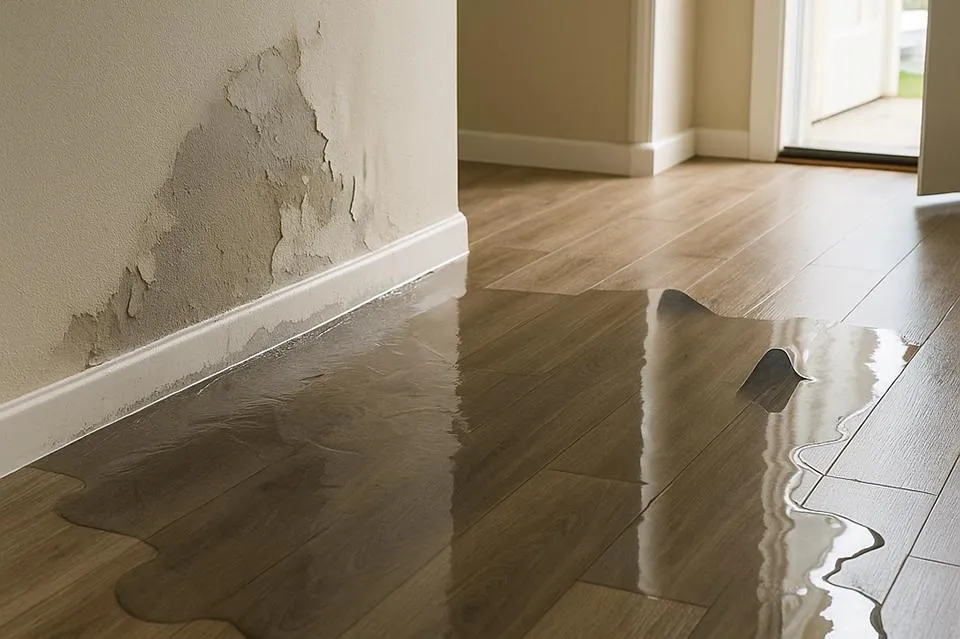
Water Damage Restoration (24/7 Emergency Service)
Full-service restoration for water intrusion, hidden moisture, structural drying, and damage recovery in Greenville homes and businesses.
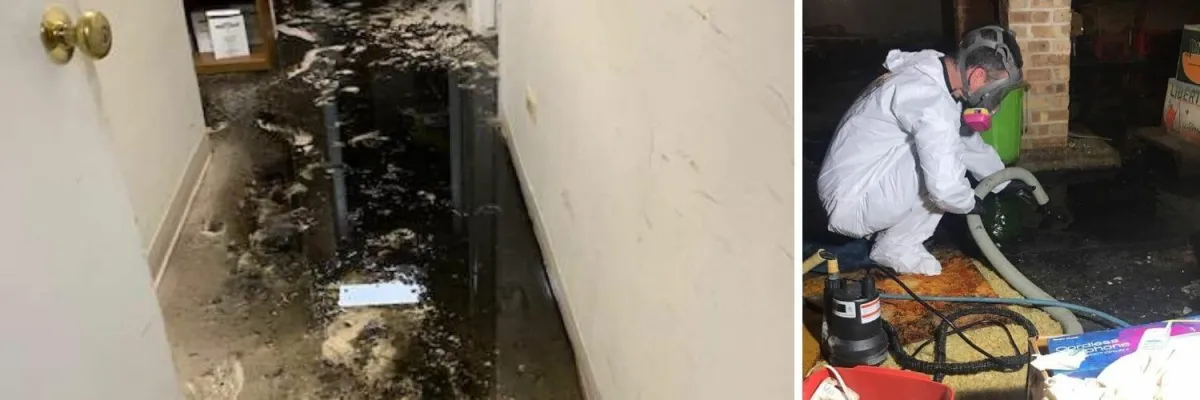
24/7 Emergency Water Removal & Cleanup
Rapid extraction to remove standing water before it spreads deeper into drywall, flooring, insulation, and subfloors.
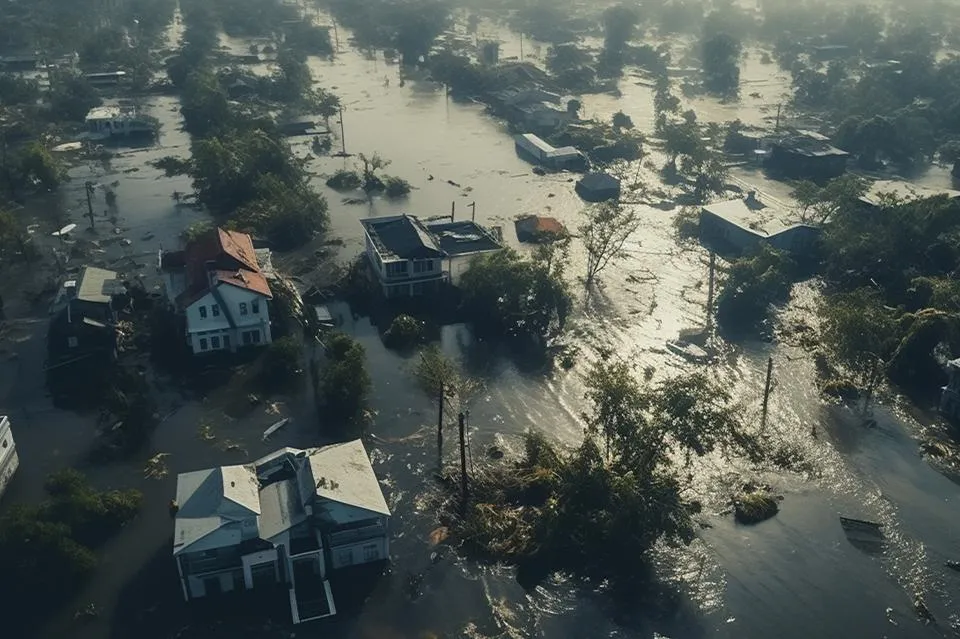
Flood Damage Cleanup & Restoration
Flood cleanup for larger water losses, contaminated water conditions, and widespread material saturation after storms or overflow events.
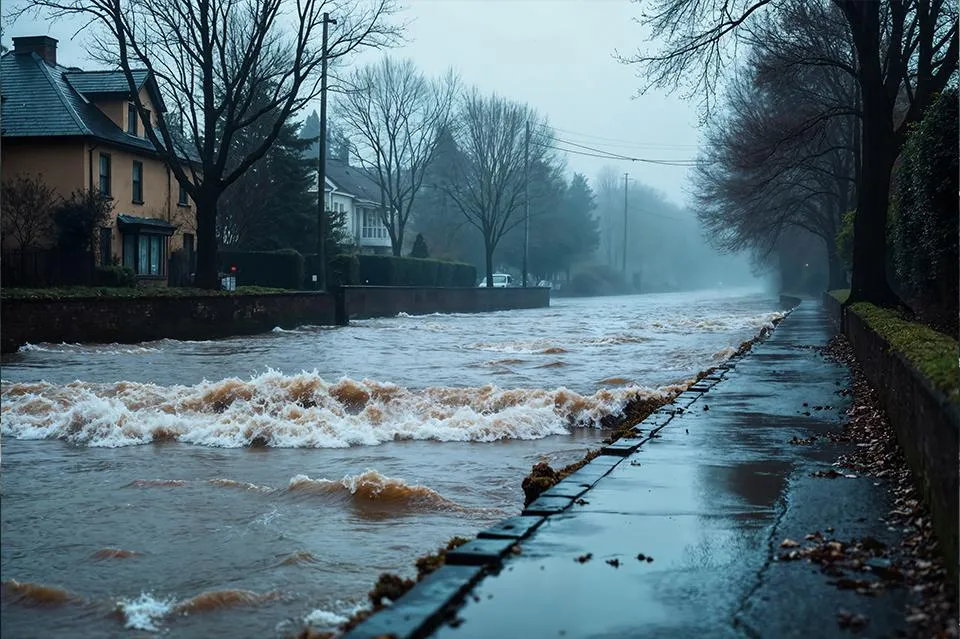
Storm Damage Restoration
Storm-related water intrusion cleanup for roof leaks, wind-driven rain, flooding, and moisture damage after severe weather.
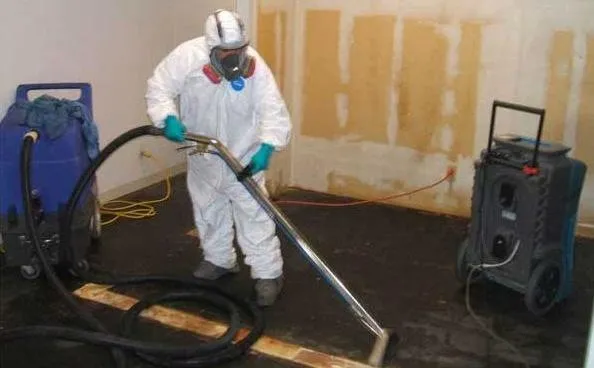
Sewage Backup Cleanup
Controlled cleanup for sewage intrusions with material evaluation, contamination precautions, and restoration planning.
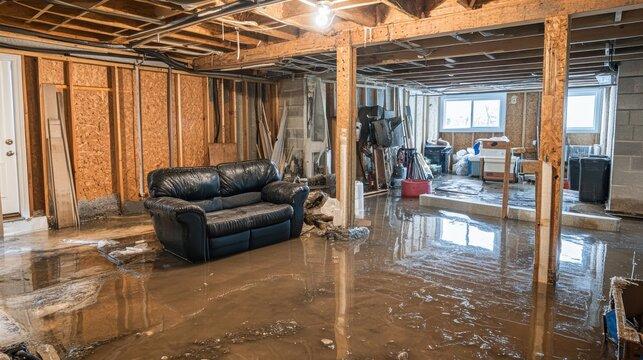
Burst & Frozen Pipe Water Cleanup
Emergency response for sudden pipe failures that release large volumes of water into walls, flooring, and ceilings.
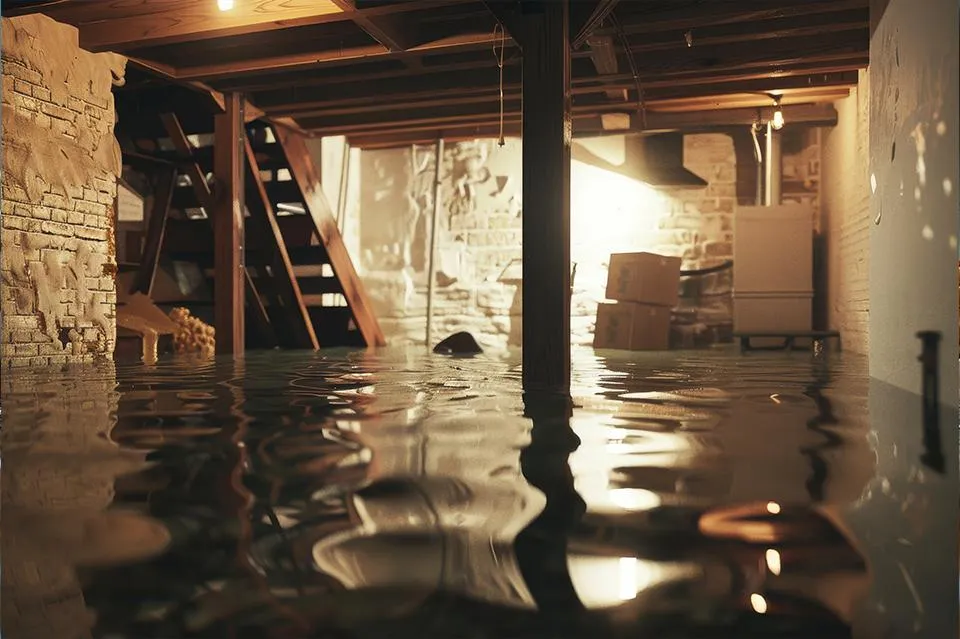
Basement Flooding Cleanup
Cleanup and drying for basement water losses caused by storms, seepage, plumbing failures, or drainage-related problems.
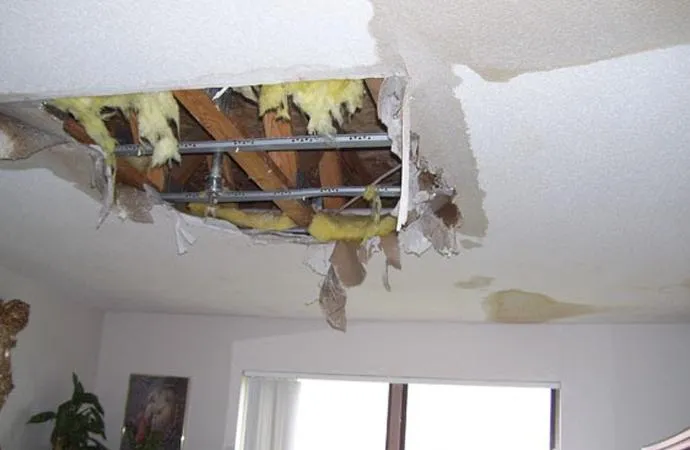
Roof Leak & Ceiling Water Damage
Restoration support for roof leak damage affecting insulation, ceilings, wall cavities, and surrounding building materials.
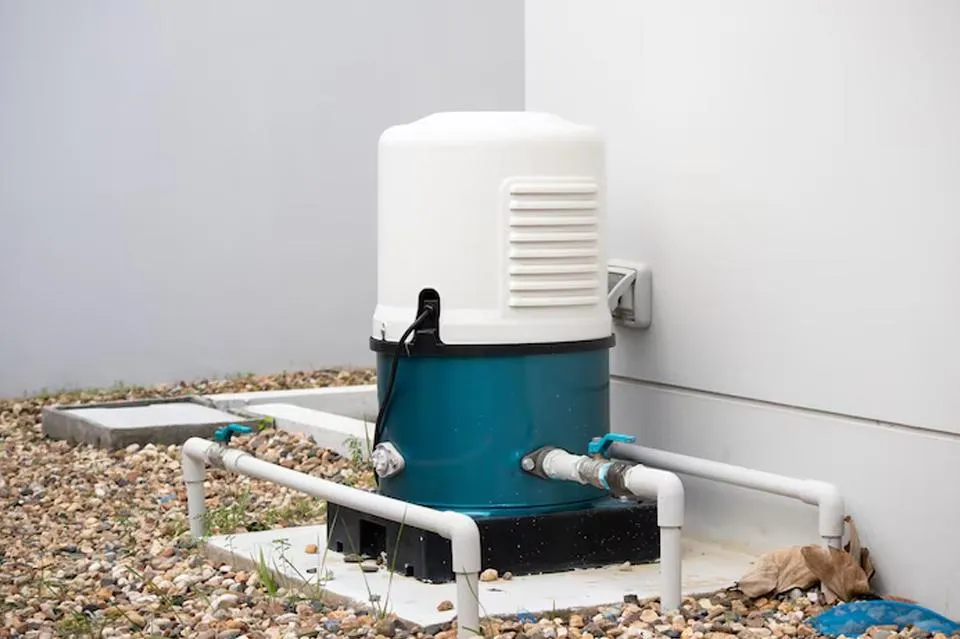
Sump Pump Failure Cleanup
Water removal and drying for sump-related flooding that can quickly affect floors, storage areas, and finished spaces.
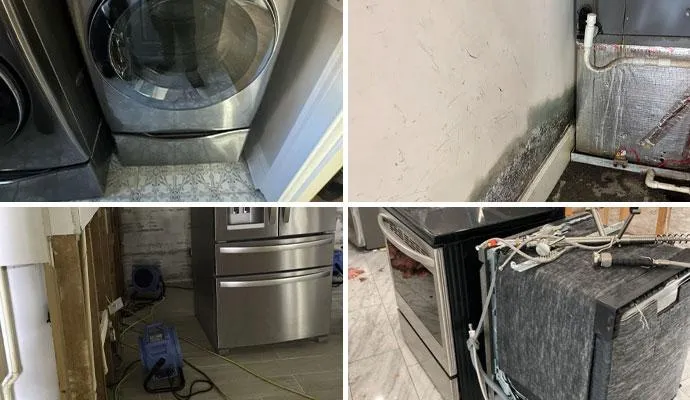
Appliance Leak & Overflow Cleanup
Targeted cleanup for dishwasher, washer, refrigerator, and water heater leaks that often damage cabinets and flooring.
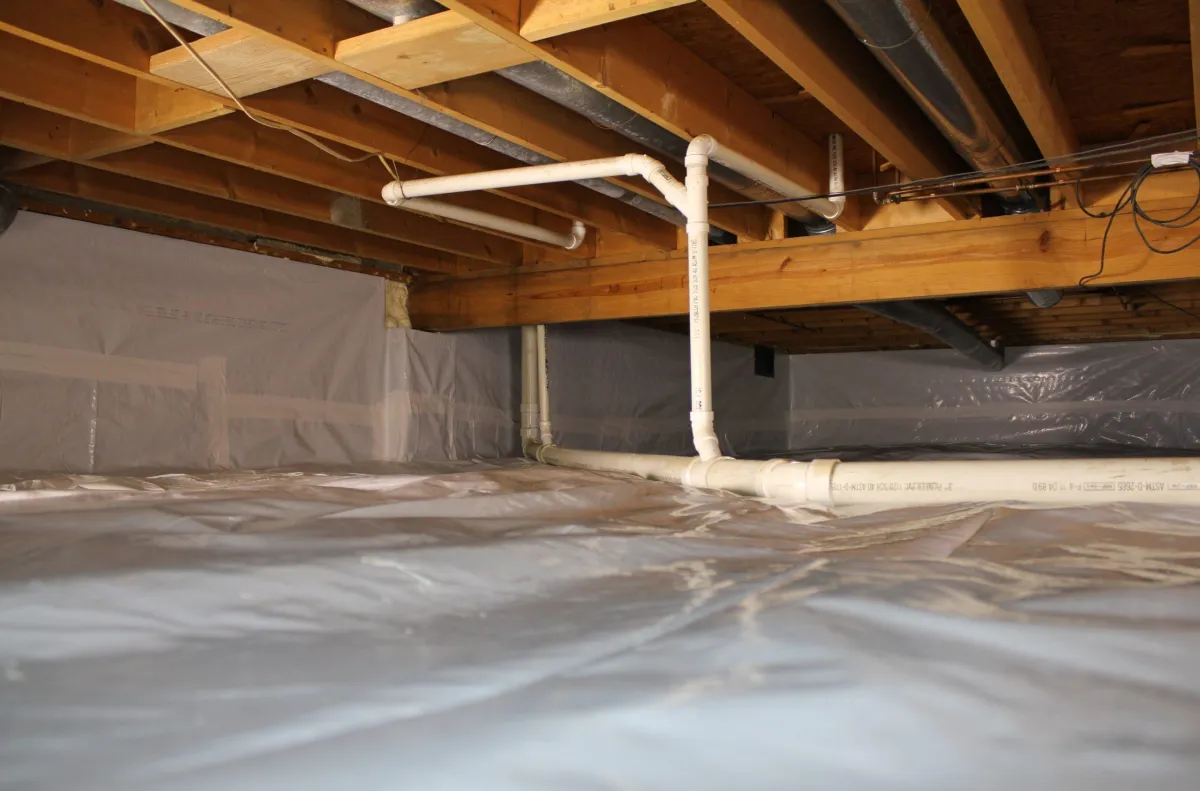
Crawl Space Water Damage
Moisture control and cleanup for wet crawl spaces where trapped humidity and standing water affect the structure above.
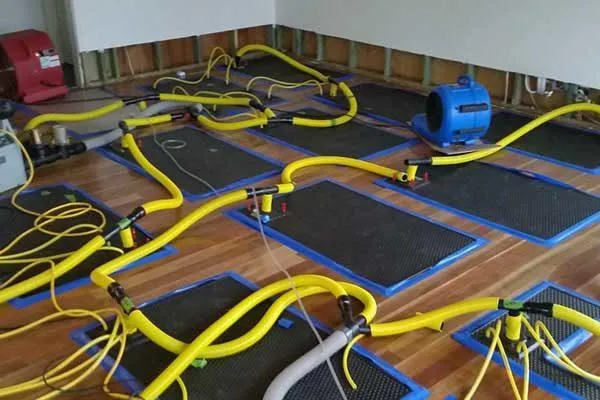
Drying & Dehumidification
Controlled drying focused on removing moisture from materials and air, not just making the surface look dry.
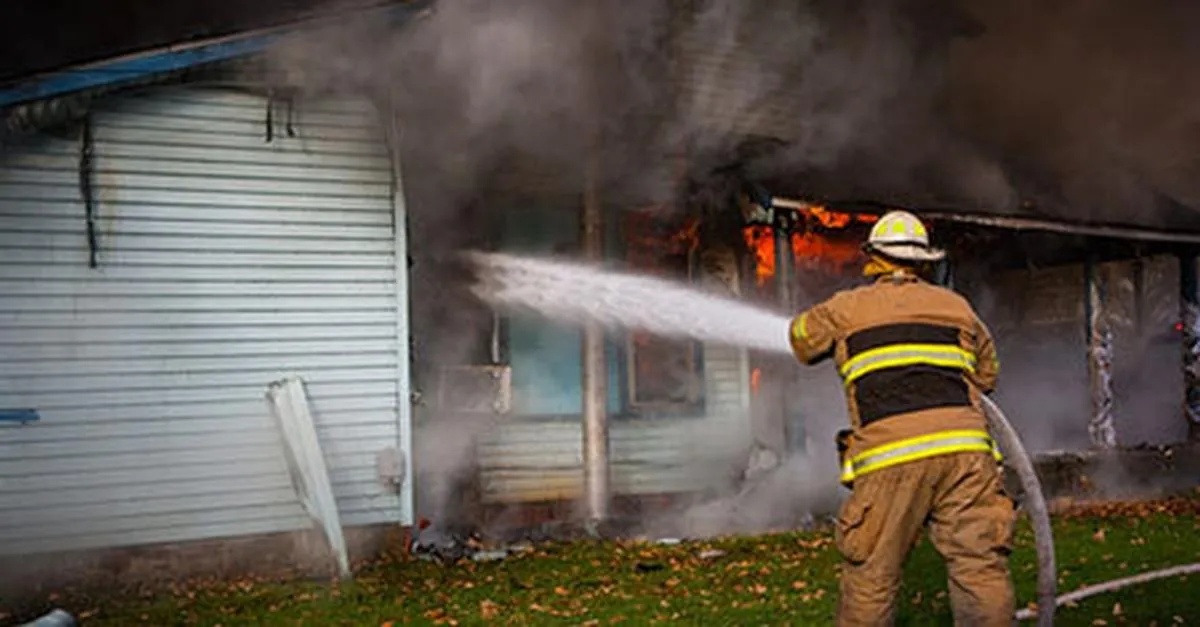
Fire Damage Restoration (Water Damage from Firefighting)
Cleanup and drying for water damage caused by firefighting efforts, including soaked materials and secondary moisture spread.
Mold Remediation & Prevention (Post-Water Damage)
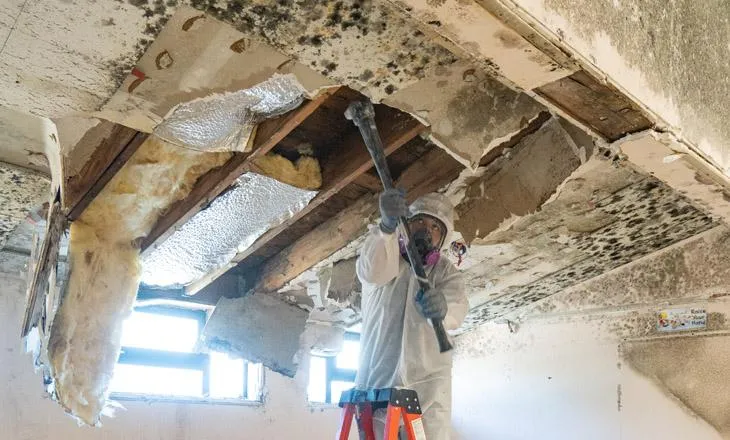
Remediation and prevention planning when unresolved moisture leads to visible microbial growth after a water loss.
Carpet, Flooring & Upholstery Water Damage Cleanup
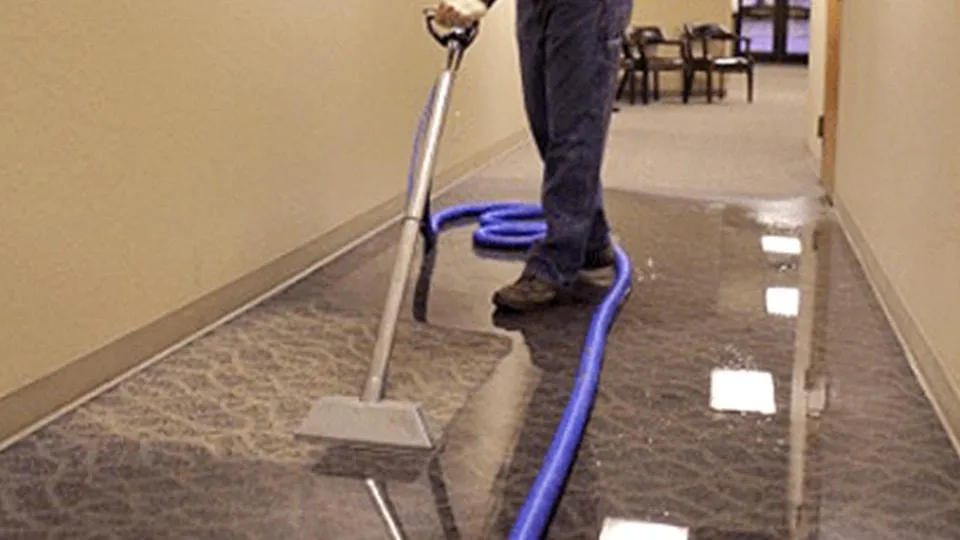
Material-specific cleanup and drying decisions for soft goods, carpet systems, hardwood, laminate, and upholstered surfaces.
Find the Google Business Profile Location Closest to You
Explore Our Full Water Restoration Services

Innovation
Fresh, creative solutions.

Integrity
Honesty and transparency.

Excellence
Top-notch services.
Need Emergency Water Damage Restoration in Greenville? Start With the Right Drying Plan
If water has entered your property, the next step is not to wait and see if it dries on its own. The right next step is to identify where the moisture went, remove standing water quickly, and begin a drying process that matches the materials, the structure, and the local conditions. DryDoctors Water Restoration of Greenville is built to respond to emergency water losses in Greenville, SC with extraction, moisture detection, structural drying, and restoration support that reflects how water actually behaves in Upstate homes and businesses.
COMPANY
CUSTOMER CARE
Copyright 2026. DryDoctors Water Restoration of Greenville. All Rights Reserved.