Water Damage Restoration in Mauldin That Focuses on Hidden Moisture, Not Just Visible Water
24/7 Emergency Water Damage Restoration in Mauldin, SC
Real Restoration Starts by Tracking How Moisture Moves Through the Structure
Why Water Damage in Mauldin Often Becomes a Bigger Problem Than It First Looks
Water damage restoration in Mauldin, SC should start with a direct answer: remove standing water, identify where moisture migrated, and dry the structure before wet materials keep the damage moving. Water rarely stays at the first visible spot. It wicks into drywall, spreads under flooring, saturates insulation, and lingers in framing, subfloors, crawl spaces, and ceiling cavities after the room starts to look better.
That matters in Mauldin because local conditions make moisture harder to control once it gets inside. Humid Upstate weather slows drying, storm cycles increase roof and exterior water entry risk, and local housing and mixed-use development patterns create a wide range of moisture paths. The City of Mauldin’s own planning and project materials also show a city with expanding mixed-use districts like City Center Village and BridgeWay Station, which means water losses here can involve everything from established residential construction to newer layered assemblies and connected-use spaces.

The Longer Materials Stay Wet, the More the Drying Scope Expands
Why Quick Action Matters So Much in Mauldin
A delayed response gives water time to move into the parts of the structure that are slower to dry and easier to underestimate. Drywall can wick upward from the base. Carpet pad and insulation can hold more water than the visible surface suggests. Wood trim, hardwood, subfloors, and framing often retain moisture longer, which means the project becomes less about simple cleanup and more about controlled drying. In Mauldin, humid conditions make that timeline even less forgiving.
Fast extraction helps reduce how long water feeds into walls, floors, insulation, and structural cavities.
Hidden moisture often remains after the visible water is gone, especially around floor edges, baseboards, and subfloors.
Early moisture mapping helps determine what may be dried effectively and what may need deeper restoration work.
Material Type, Layout, and Building Style Change the Restoration Path
Why the Same Leak Can Produce Different Damage in Different Mauldin Properties
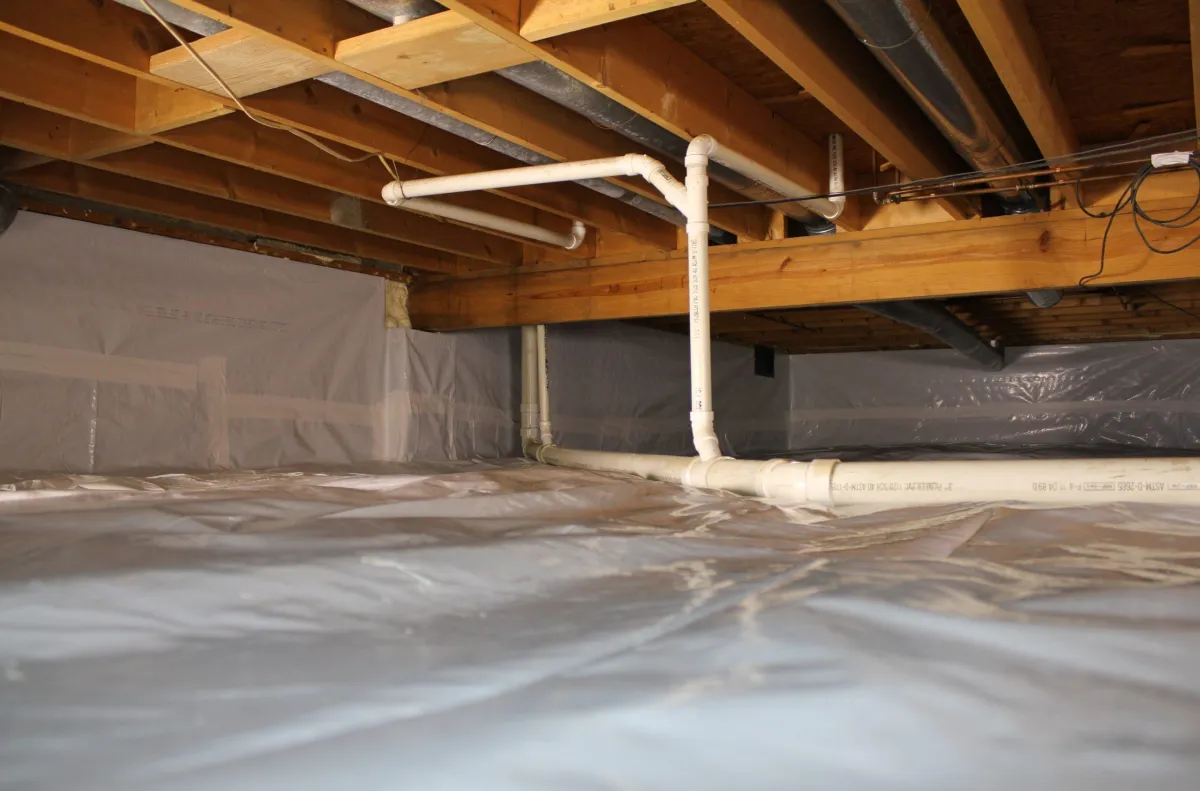
Two properties can have the same source of water and still require very different restoration strategies. Drywall, insulation, and carpet pad usually absorb quickly. Hardwood, cabinetry, framing, and subfloors may absorb more slowly but retain moisture longer. The result is that some losses look minor at first while the real moisture load is sitting deeper inside the assembly.
That variation matters in Mauldin because the city includes both established residential areas and newer growth corridors. A roof leak over older materials does not behave like water moving laterally beneath newer finished flooring. A crawl space moisture problem does not behave like a slab-on-grade appliance leak. The restoration plan has to reflect the actual materials and the way water moved through them.
Why a Dry Surface Does Not Mean the Structure Is Dry
Structural Drying in Mauldin Requires Airflow, Dehumidification, and Verification
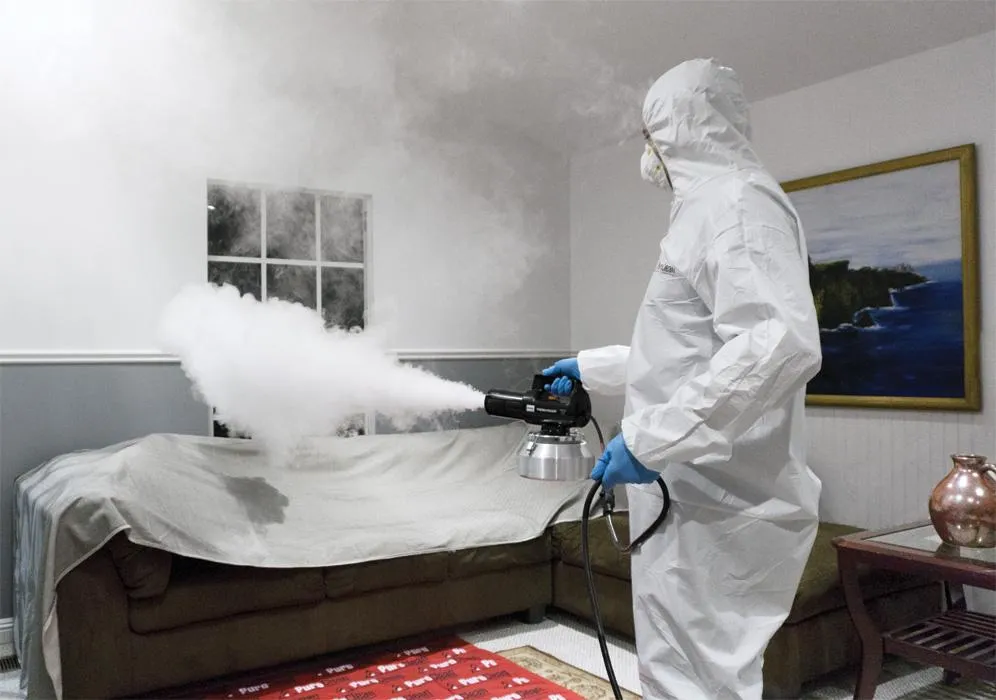
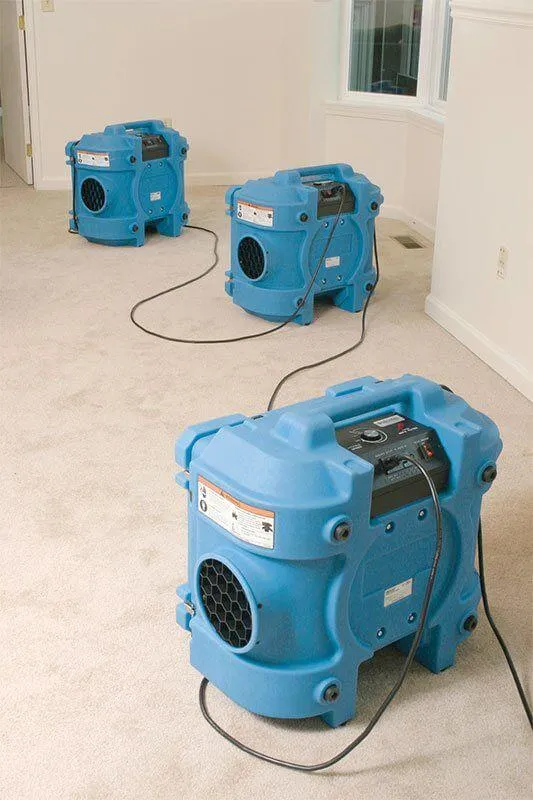
A room can improve visually long before the materials inside it are actually dry. Real drying happens when moisture leaves the wet material, enters the air, and is then removed through dehumidification. Without that full cycle, water can remain trapped inside wall cavities, framing, subfloors, insulation, and trim even when the surface appears normal again.
That is one reason incomplete water damage work often leads to more expensive follow-up problems. In Mauldin, humidity can already be working against evaporation, so drying needs to be controlled rather than assumed. The goal is not simply to make the room look dry. The goal is to move the affected materials back toward a verified dry condition appropriate for the assembly.
Moisture Often Builds Up Under Floors, Behind Finishes, and Inside Assemblies You Cannot Read at a Glance
Where Water Likes to Hide in Mauldin Homes and Buildings
One of the most important parts of water damage restoration is locating the moisture that is not obvious from the room view. Water may move beneath flooring, behind cabinetry, into insulation, through base plates, and across subfloor layers while the visible damage still seems limited. That is why a smaller-looking water loss in Mauldin can become a larger project once the full wet assembly is mapped correctly.
This is especially common after roof leaks, appliance failures, bathroom overflows, crawl space moisture events, and plumbing losses near finished flooring. If the drying plan focuses only on the visible problem, hidden moisture can remain active in concealed areas and continue damaging the property after the first cleanup stage is complete.
Different Parts of Mauldin Create Different Moisture and Drying Challenges
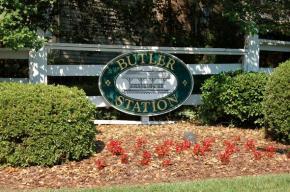
Butler Station
Known for older plumbing and slab leaks, homes in Butler Station benefit from our full-service drying and leak-source detection.

Planter’s Row
Appliance overflows and roof runoff are common here. We offer quick cleanup and structural drying with minimal disruption
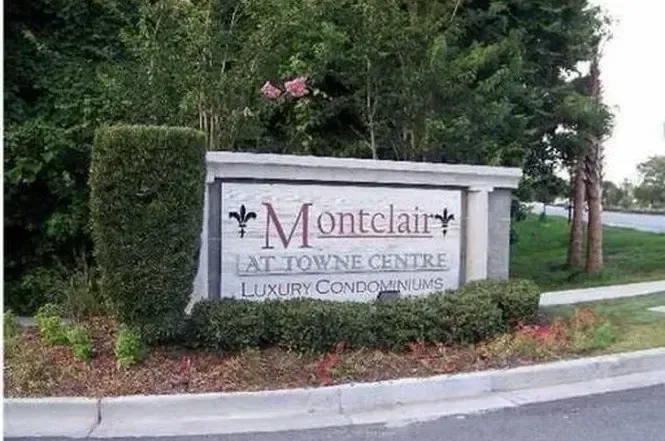
Montclair
Storm water often floods crawl spaces and garages in this area. We provide pumping, antimicrobial treatment, and deep drying solutions.
Don't worry, we can help!
DryDoctors Water Restoration of Mauldin Is Built Around How Water Actually Behaves in Local Properties
DryDoctors Water Restoration of Mauldin is built around the real moisture problems Mauldin property owners face, not generic cleanup language. The value is in understanding what humid Upstate weather does to drying timelines, how crawl spaces and slab foundations change moisture movement, why local roof leaks can spread through attic and ceiling assemblies, and how both established neighborhoods and newer mixed-use districts can hide moisture in very different ways.
For Mauldin property owners, the important questions are practical: how far did the water travel, what may still be wet, what can likely be dried, and what should happen next. This page is designed to answer those questions early while keeping Mauldin, SC at the center of the restoration logic.

Humidity, Development Patterns, Trail-Corridor Growth, and Mixed Construction All Affect Drying Decisions
Why Local Mauldin Conditions Change the Restoration Strategy
Water damage restoration in Mauldin is shaped by local conditions. Humidity slows natural drying. Storm cycles can create roof leaks and exterior intrusion. Crawl spaces can keep moisture active below the floor system, while slab-on-grade construction can allow water to spread beneath finished flooring before the damage becomes obvious. At the same time, Mauldin’s official project and budget materials show an evolving city with identified districts such as BridgeWay Station and Downtown / City Center Village, which means water losses here can involve a broader mix of property types than in a simpler single-pattern suburb.
What Mauldin Property Owners Usually Need To Know First
Water Damage Restoration Questions in Mauldin
These are the questions that usually come up first after a water loss in Mauldin: how serious it may be, how quickly to respond, what might still be wet, and why structural drying matters even after the visible water is gone.
How quickly should I call for water damage restoration after finding water in Mauldin?
As soon as possible. Water starts moving into drywall, flooring, insulation, trim, and subfloors quickly, and the wet area can expand even after the visible water is reduced. Fast response improves the chance that more of the structure can be dried instead of replaced.
Can a room in Mauldin look dry but still have hidden moisture?
Yes. That is common. Surfaces may improve while retained moisture remains under flooring, inside wall cavities, behind cabinets, or within framing. Restoration decisions should be based on actual moisture conditions, not appearance alone.
Does every wet material need to be removed?
No. The answer depends on the water source, how long the material has been wet, the contamination level, the material type, and whether controlled drying can restore it effectively. Some materials respond well to fast extraction and drying, while others may become too compromised to keep.
Why is dehumidification important after extraction?
Extraction removes standing water, but it does not remove the moisture already absorbed into materials. Dehumidification supports structural drying by helping retained moisture leave the wet materials and the indoor environment instead of staying trapped in the building.
Proudly Serving Greenville and the Upstate’s Largest Cities
Water Damage Restoration Services Across Greenville and Surrounding Areas
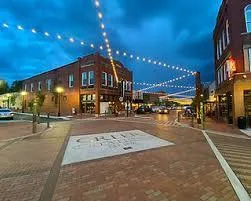
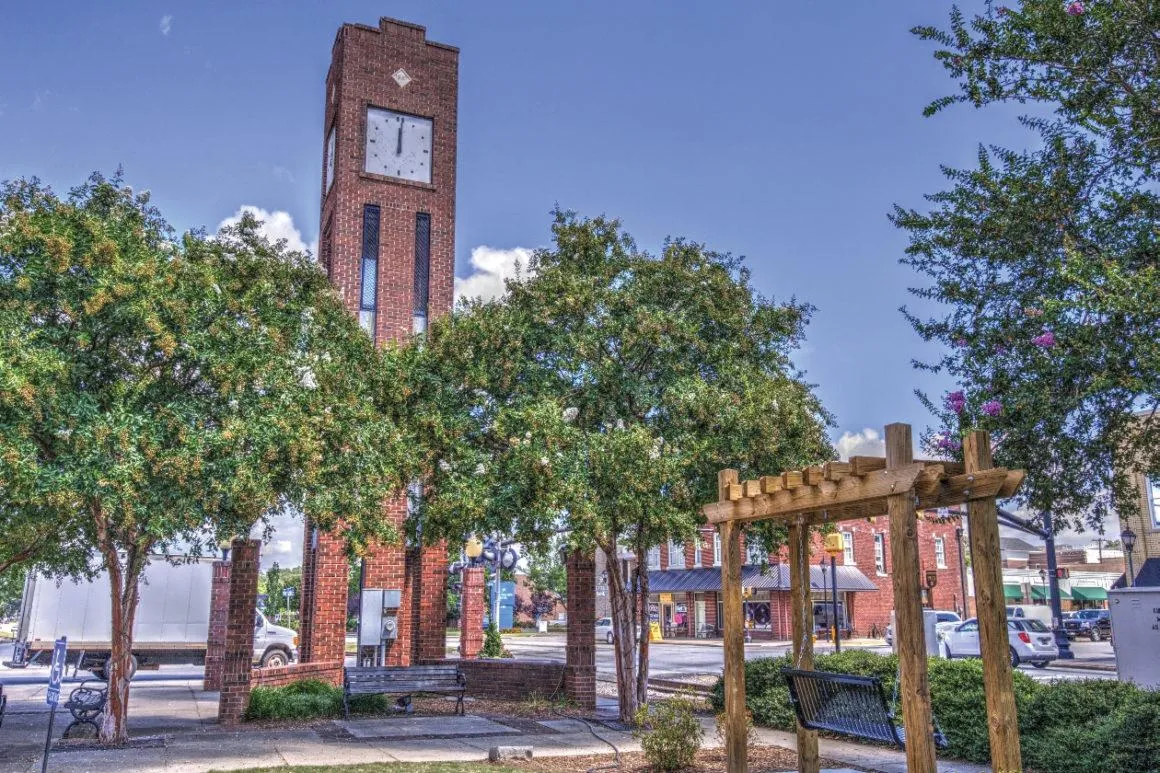
Water Damage Tips, Local Answers, and Restoration Insights for Mauldin Property Owners
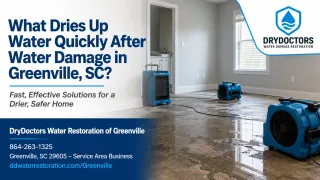
What Dries Up Water Quickly After Water Damage in Greenville, SC?
Learn what actually dries water quickly after water damage in Greenville, SC. Discover how extraction, airflow, dehumidification, and moisture control work together to prevent structural damage and mo... ...more
Water Damage Restoration
May 20, 2026•7 min read

How Much Does Basement Water Mitigation Cost? (Greenville, SC)
Learn what affects basement water mitigation costs in Greenville, SC including water category, drying requirements, contamination, and structural damage. ...more
Water Damage Restoration
May 14, 2026•6 min read
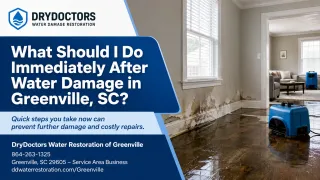
What Should I Do Immediately After Water Damage in Greenville, SC?
Learn what to do immediately after water damage in Greenville, SC to reduce structural damage ...more
Water Damage Restoration
May 08, 2026•3 min read
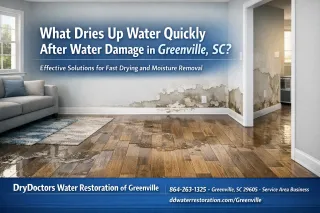
What Dries Water Quickly After Water Damage? (Greenville, SC)
Learn what dries water quickly after water damage in Greenville, SC. Airflow, dehumidification, and temperature control are key to fast drying. ...more
Water Damage Restoration
April 15, 2026•3 min read

How Do You Dry Out a House After Water Damage in Greenville, SC?
Learn how to properly dry out a house after water damage in Greenville, SC using extraction, airflow, and dehumidification to remove hidden moisture. ...more
Water Damage Restoration
April 13, 2026•4 min read
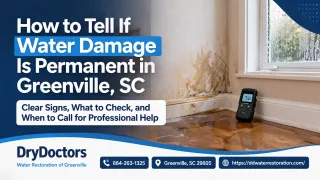
How to Tell If Water Damage Is Permanent in Greenville, SC
Learn how to tell if water damage is permanent in Greenville, SC. Signs include material breakdown, staining, warping, and moisture that cannot be fully removed. ...more
Water Damage Restoration
April 12, 2026•4 min read
Related Water Damage Services in Mauldin and the Upstate
More Cleanup, Drying, and Restoration Solutions for Different Water Loss Scenarios
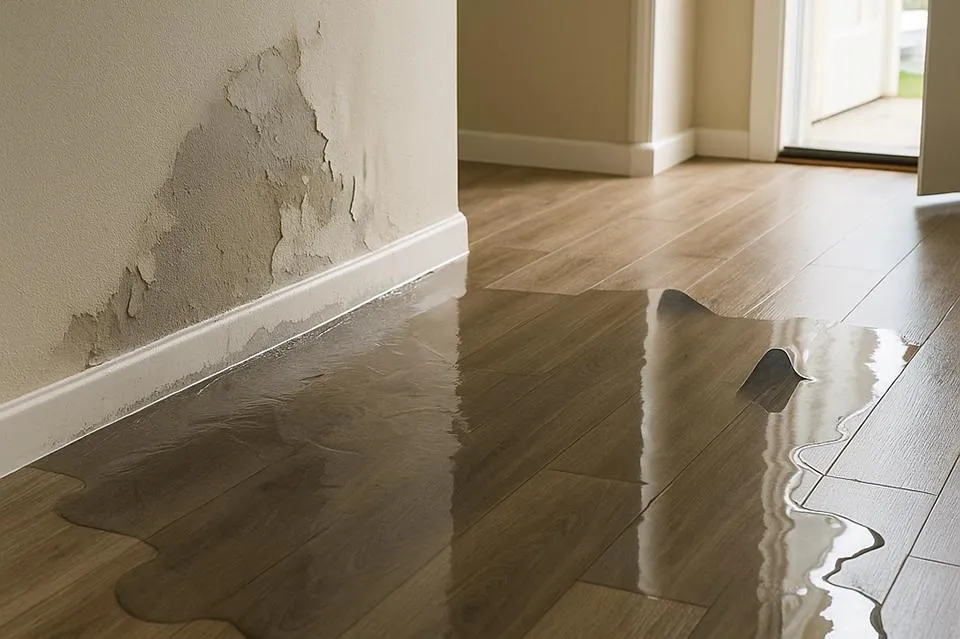
Water Damage Restoration (24/7 Emergency Service)
Full-service restoration for water intrusion, hidden moisture, structural drying, and damage recovery in Greenville homes and businesses.
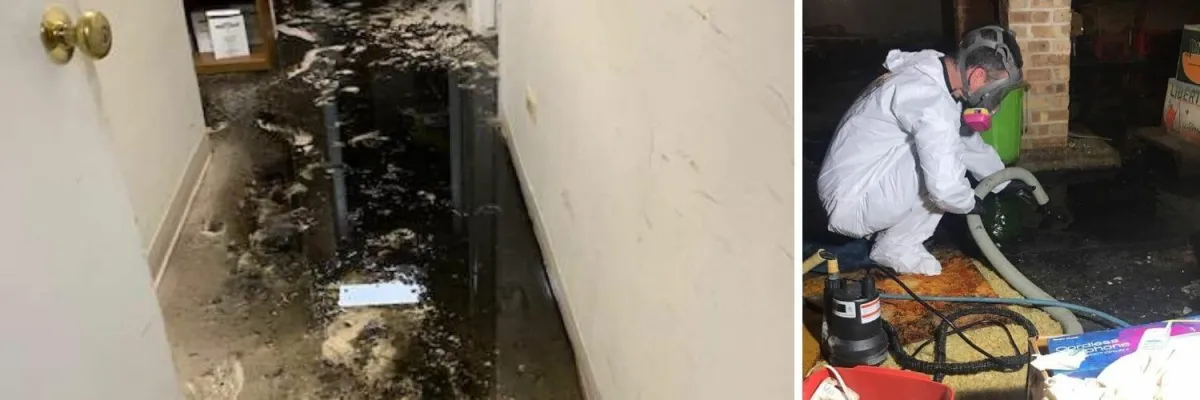
24/7 Emergency Water Removal & Cleanup
Rapid extraction to remove standing water before it spreads deeper into drywall, flooring, insulation, and subfloors.
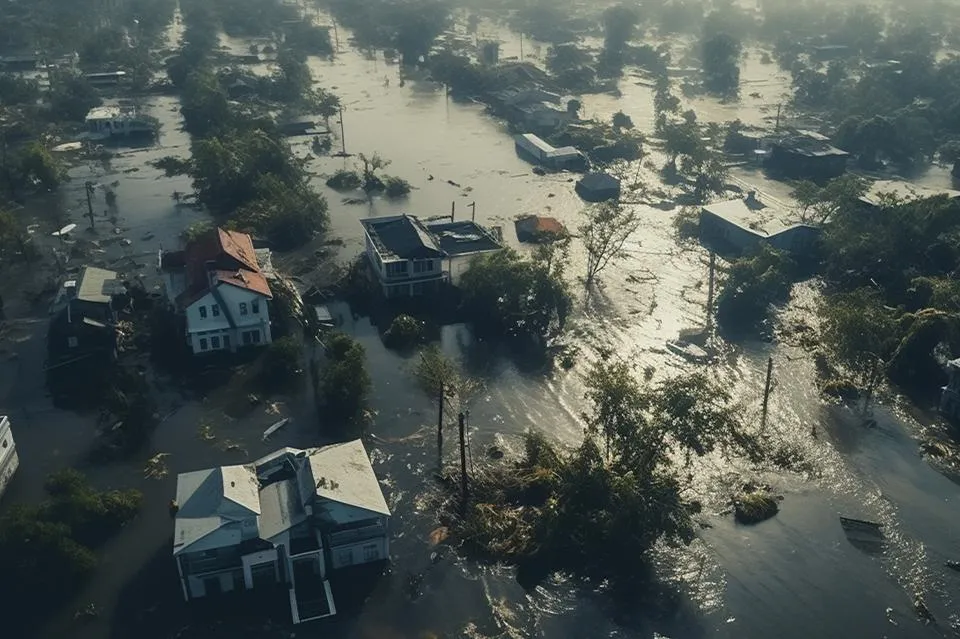
Flood Damage Cleanup & Restoration
Flood cleanup for larger water losses, contaminated water conditions, and widespread material saturation after storms or overflow events.
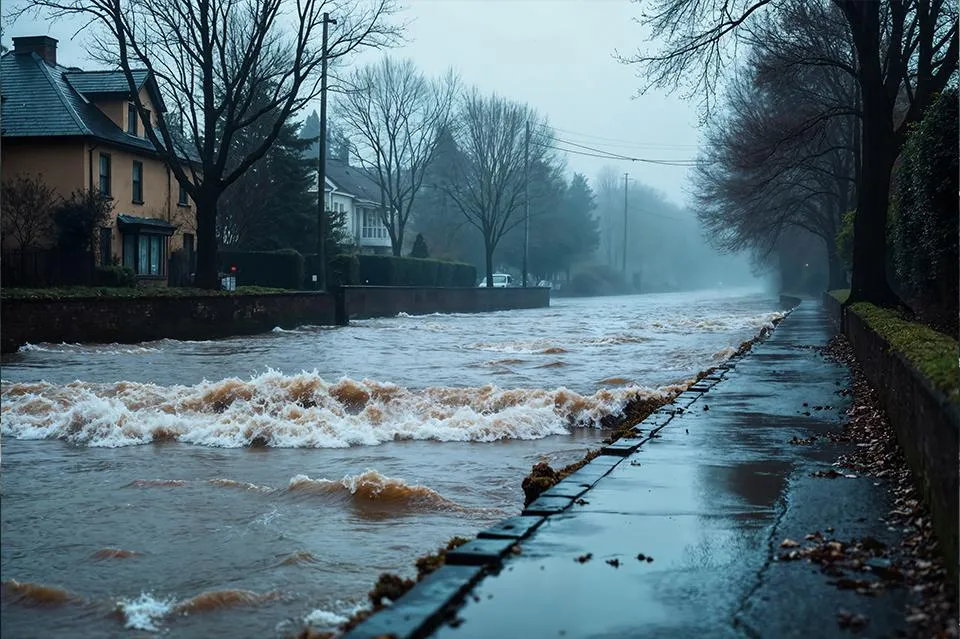
Storm Damage Restoration
Storm-related water intrusion cleanup for roof leaks, wind-driven rain, flooding, and moisture damage after severe weather.
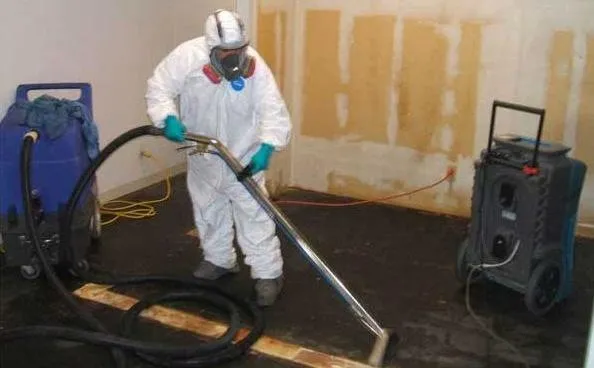
Sewage Backup Cleanup
Controlled cleanup for sewage intrusions with material evaluation, contamination precautions, and restoration planning.
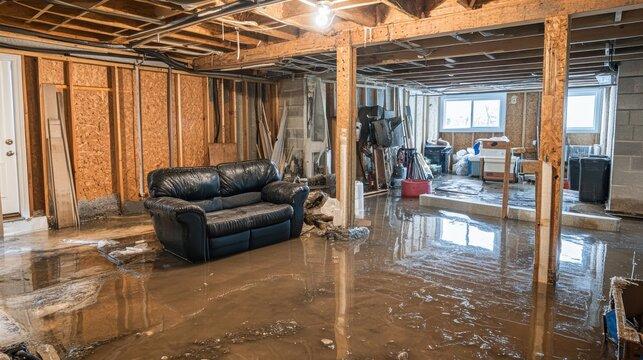
Burst & Frozen Pipe Water Cleanup
Emergency response for sudden pipe failures that release large volumes of water into walls, flooring, and ceilings.
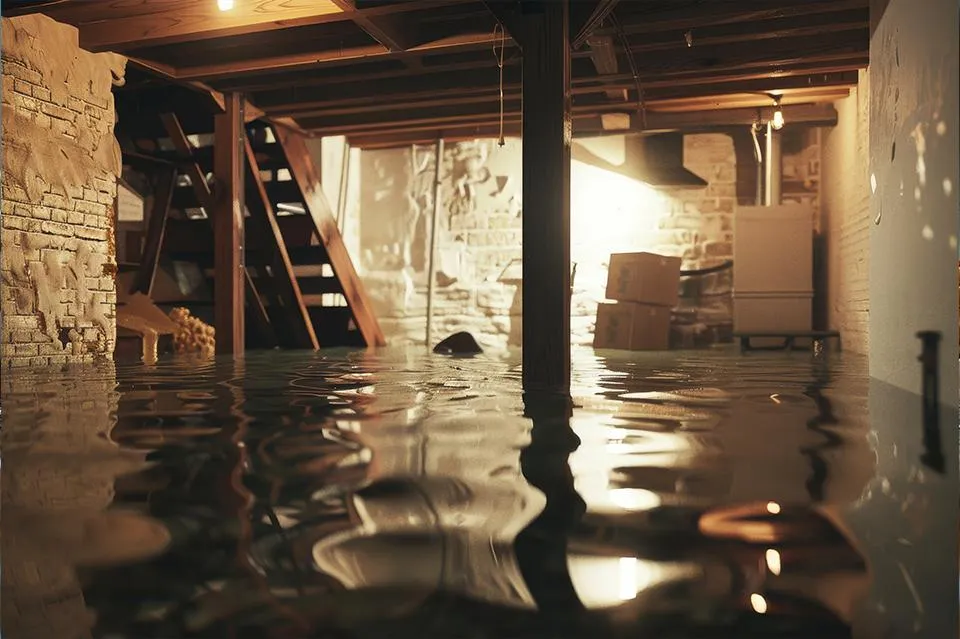
Basement Flooding Cleanup
Cleanup and drying for basement water losses caused by storms, seepage, plumbing failures, or drainage-related problems.
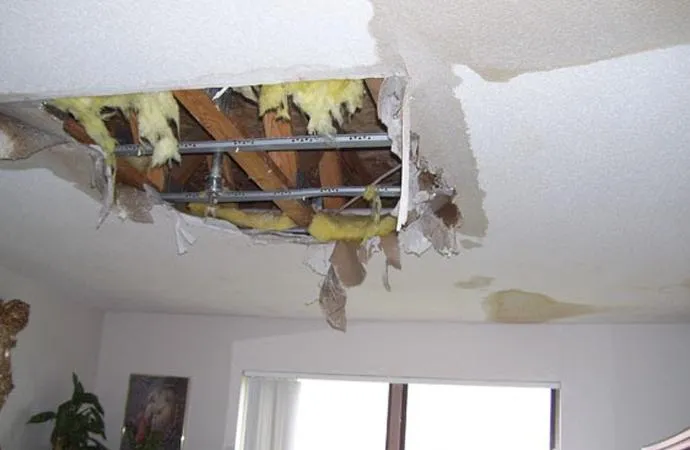
Roof Leak & Ceiling Water Damage
Restoration support for roof leak damage affecting insulation, ceilings, wall cavities, and surrounding building materials.
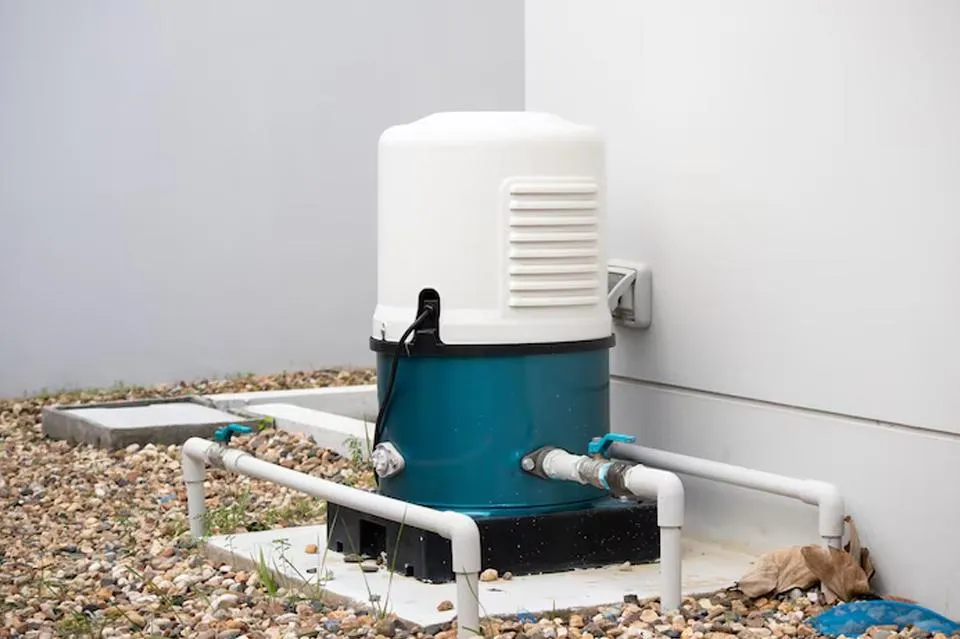
Sump Pump Failure Cleanup
Water removal and drying for sump-related flooding that can quickly affect floors, storage areas, and finished spaces.
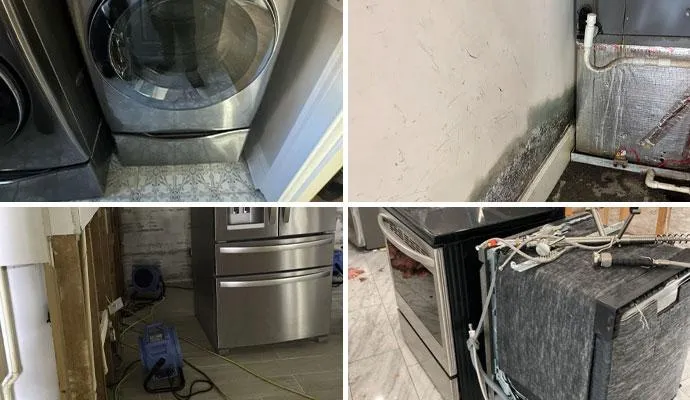
Appliance Leak & Overflow Cleanup
Targeted cleanup for dishwasher, washer, refrigerator, and water heater leaks that often damage cabinets and flooring.
Crawl Space Water Damage
Moisture control and cleanup for wet crawl spaces where trapped humidity and standing water affect the structure above.
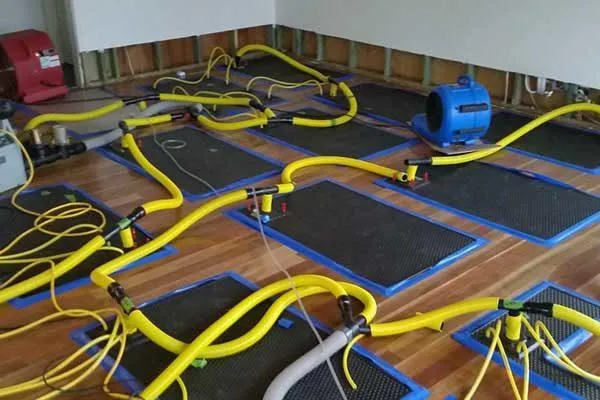
Drying & Dehumidification
Controlled drying focused on removing moisture from materials and air, not just making the surface look dry.
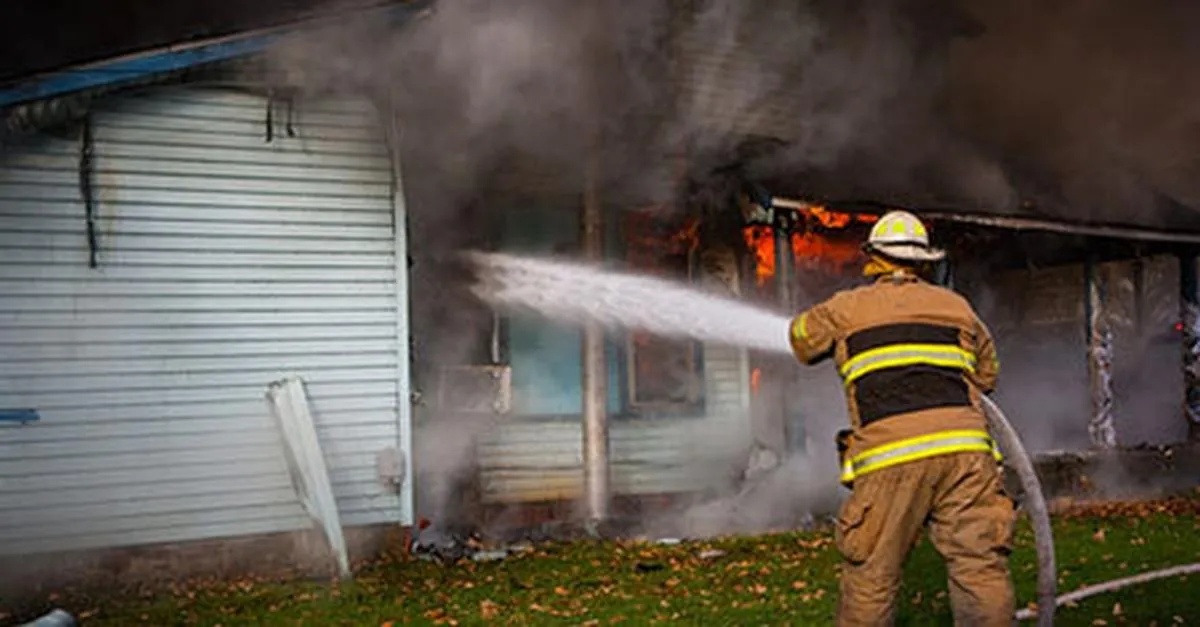
Fire Damage Restoration (Water Damage from Firefighting)
Cleanup and drying for water damage caused by firefighting efforts, including soaked materials and secondary moisture spread.
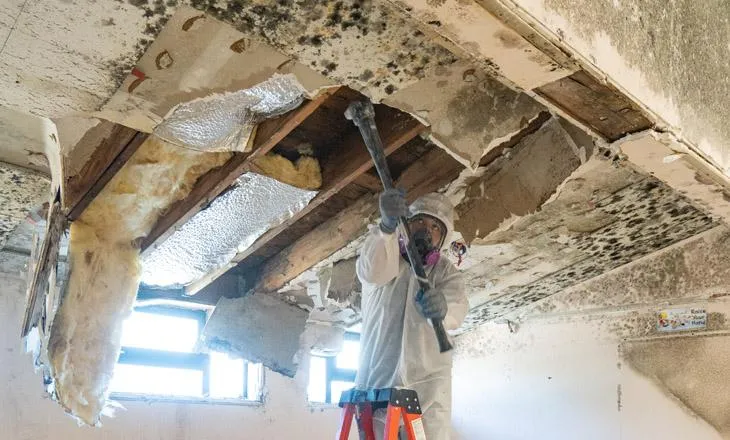
Mold Remediation & Prevention (Post-Water Damage)
Remediation and prevention planning when unresolved moisture leads to visible microbial growth after a water loss.
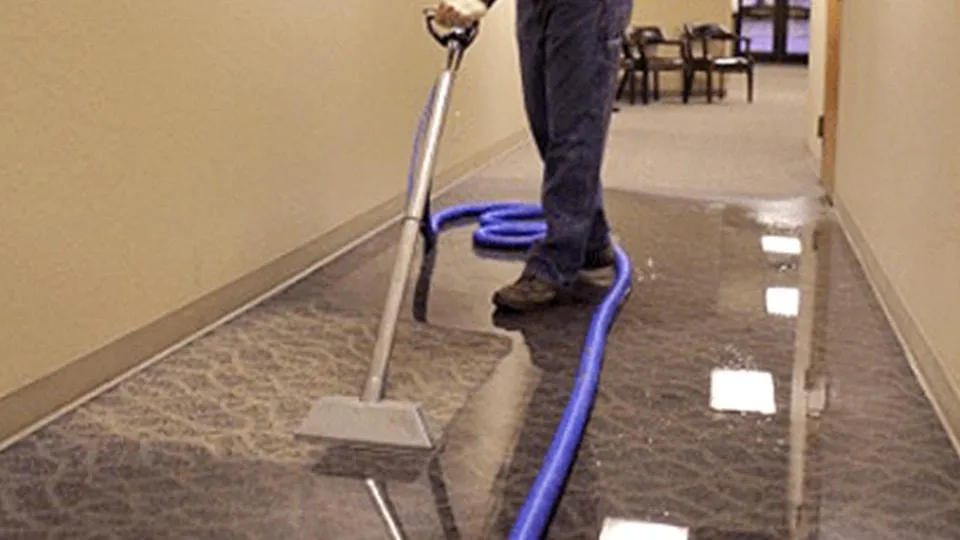
Carpet, Flooring & Upholstery Water Damage Cleanup
Material-specific cleanup and drying decisions for soft goods, carpet systems, hardwood, laminate, and upholstered surfaces.

Innovation
Fresh, creative solutions.

Integrity
Honesty and transparency.

Excellence
Top-notch services.
Need Emergency Water Damage Restoration in Mauldin? Start With a Drying Plan That Matches the Actual Moisture Path
If water has entered your property, the next step is not to wait and hope it dries on its own. The right next step is to identify where the moisture traveled, remove standing water quickly, and begin a drying process that matches the materials, the structure, and the local conditions. DryDoctors Water Restoration of Mauldin is built to respond to emergency water losses in Mauldin, SC with extraction, moisture detection, structural drying, and restoration support shaped by how water actually behaves in local homes and buildings.


Copyright 2026. DryDoctors Water Restoration of Greenville. All Rights Reserved.