Crawl Space Cleanup That Stops Hidden Moisture Before It Affects the Structure Above
Crawl Space Water Damage Cleanup in Greenville, SC
This Service Is About Removing Water Below the Home and Controlling Moisture Before It Moves Upward Into Floors, Framing, and Insulation
What Crawl Space Water Damage Cleanup Actually Involves
Crawl space water damage cleanup in Greenville, SC should begin with a direct answer: remove standing water, identify how moisture entered and spread below the structure, and begin drying before that moisture affects the materials above the crawl space. Crawl space losses are different from many other water events because the damage often stays out of sight while moisture remains active underneath the home. Water below the structure can saturate insulation, wet floor framing, affect subfloors, and raise humidity levels enough to keep moisture migrating upward.
That matters in Greenville because crawl spaces are common across the Upstate, and humid conditions can make under-home moisture harder to control once water gets in. Whether the source is drainage failure, plumbing leakage, heavy rain, groundwater intrusion, or repeated damp conditions, the real issue is not only the water you see. It is the moisture behavior inside the crawl space and how that moisture affects the structure above it.
Moisture Under the House Can Stay Active Long After the Surface Looks Fine
Why Crawl Space Water Problems Get Worse So Quietly
Crawl space water damage often grows without attracting attention right away. Standing water may remain hidden below the home, while damp insulation, wet joists, subfloor moisture, and elevated humidity continue affecting the structure. In Greenville, where outdoor humidity is already high for much of the year, crawl spaces can dry slowly and hold moisture longer unless the water is actively removed and the area is properly dried.
Water in a crawl space often affects framing, insulation, and subfloors before the homeowner sees obvious signs indoors.
Trapped humidity below the home can keep moisture active even after standing water is reduced.
Fast extraction and moisture mapping help reduce how much of the underfloor structure remains wet.
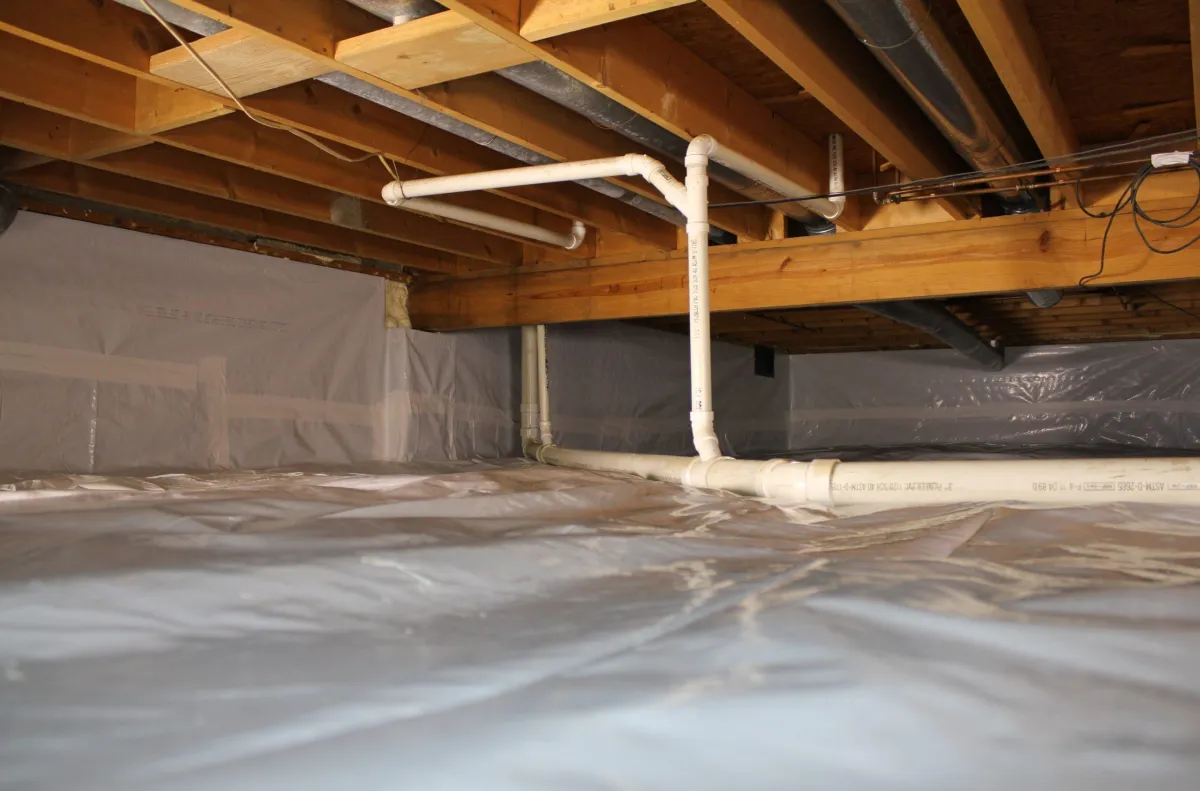
The Water Stays Below the Structure, But the Damage Often Moves Upward Into the Building System
Why Crawl Space Losses Are Different From Typical Interior Water Damage
A crawl space water loss is different because the water starts below the living space rather than inside it. That changes how the damage behaves. Moisture can affect floor framing, insulation, duct-adjacent areas, subfloor layers, and other structural materials from underneath before there is obvious visible damage inside the house. The property owner may first notice cupping floors, musty odor, soft spots, or elevated indoor humidity rather than standing water itself.
That changes the restoration plan. Cleanup has to account for the source of water, the amount of standing water or chronic moisture present, the materials exposed below the home, and how far the moisture migrated into the floor system. It is not a surface cleanup problem. It is an under-structure moisture control problem.
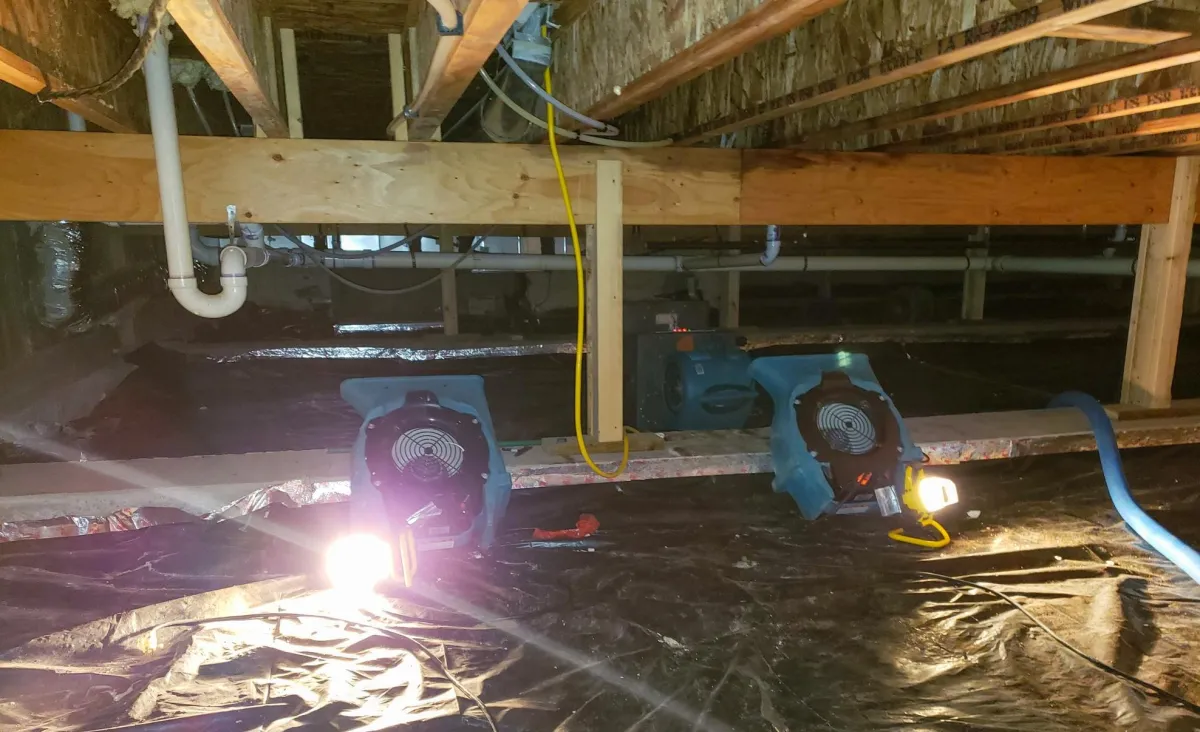
Standing Water, Damp Soil, and Trapped Humidity Can Feed Moisture Into Insulation, Joists, and Subfloors
How Crawl Space Water Moves Through the Structure
In a crawl space, water does not have to touch every material directly to create damage. Standing water can saturate nearby insulation and framing, while damp soil and high humidity contribute to ongoing moisture movement in the enclosed area. Wood framing and subfloors can absorb moisture over time, especially when ventilation is poor and the area stays wet for extended periods. In Greenville homes with raised floors over crawl spaces, this can affect the building system from below without creating immediate visible flooding indoors.
That is one reason crawl space cleanup has to focus on both water removal and moisture behavior. The issue is not just pooling water under the home. It is how retained moisture and damp conditions continue affecting the materials above that water line.
Removing Water Below the Home Is Only the First Step Because Framing and Subfloors Can Stay Wet
Why Structural Drying Matters After Crawl Space Water Removal
After standing water is removed from a crawl space, the main challenge is often the retained moisture left in the materials above it. Insulation, joists, subfloors, sill plates, and lower structural assemblies can continue holding water long after the obvious standing water is gone. The crawl space may look improved, but the structure can still be wet. Proper drying uses airflow, dehumidification, and moisture monitoring to help moisture leave those materials instead of staying trapped below the home.
In Greenville, this matters even more because humid weather can slow evaporation and keep crawl spaces damp for longer periods. If cleanup stops at water extraction alone, the structure above may still be dealing with hidden moisture that continues affecting the home after the visible water is gone.
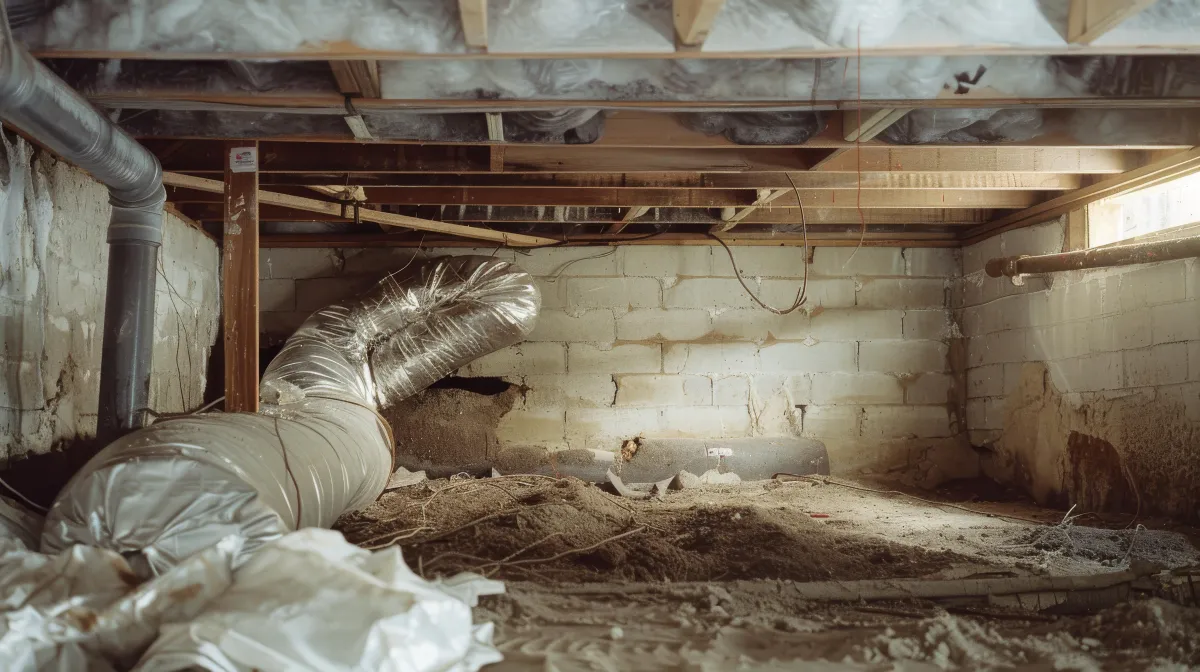
Why Greenville Property Owners Call DryDoctors For Crawl Space Water Damage Cleanup
24/7 Under-Home Response: Designed for tight spaces and uneven ground. Crawl space water damage gets worse while water and humidity stay trapped below the structure. Fast response helps reduce how long framing, insulation, and subfloors remain wet.
Built For Greenville Conditions: Humidity, frequent crawl space construction, storm runoff, drainage issues, and raised-floor homes all affect how under-house moisture behaves in Greenville properties.
Vapor Barrier Restoration
Full inspection and replacement if needed.
Underfloor Moisture Mapping: The visible problem inside the home rarely shows the full wet footprint below it. Framing, insulation, and subfloor layers often hold hidden moisture in the crawl space.
Structural Drying Focus: Available 24/7 for storm or plumbing floods. A drier-looking crawl space is not the same as a dry floor system. The goal is to remove retained moisture from the materials that absorbed it below the home.
Standards-Aware Restoration Logic: Extraction, drying, and material evaluation should be based on how moisture moved through the crawl space and floor system, not just whether the standing water is gone.
Don't worry, we can help!
Good Crawl Space Cleanup Helps Keep Hidden Underfloor Moisture From Turning Into A Larger Structural Problem
The most useful response to crawl space water damage is the one that controls the moisture early enough to protect the structure above it. By removing standing water, identifying hidden wet areas in insulation and framing, and starting controlled drying quickly, the cleanup process can reduce how much of the floor system remains affected. In Greenville, where crawl spaces are common and humid weather can keep under-home moisture active, that early control often determines whether the damage stays manageable or becomes a much broader restoration issue.
Fast extraction reduces how long standing water and wet conditions stay active under the home.
Moisture mapping helps identify hidden wet areas in joists, insulation, and subfloor layers.
Controlled drying helps move the crawl space from active moisture damage toward a more stable condition.
Humidity, Raised-Floor Construction, Storm Runoff, and Drainage Conditions All Influence The Damage
Why Local Conditions Matter In Greenville Crawl Space Water Damage
Crawl space water damage cleanup in Greenville is shaped by local conditions. Humid weather slows natural drying and keeps under-home moisture active longer. Many Greenville-area homes use crawl space construction, which means moisture problems below the structure can directly affect flooring and framing above. Heavy rain, runoff, drainage problems, plumbing leaks, and ground moisture can all contribute to standing water or chronically damp conditions in the crawl space. Older homes may also have insulation and underfloor assemblies that retain moisture differently than newer builds.
That local context matters because crawl space damage is not just about water under the house. In Greenville and the surrounding Upstate, it is a structural moisture problem tied closely to weather, house design, and how long the underfloor materials stay wet before the response begins.
What Property Owners Usually Need To Know About Water Under the House
Crawl Space Water Damage Questions In Greenville
These are the most common early questions after crawl space water is discovered in Greenville: how fast cleanup should begin, why underfloor moisture matters, what may still be wet after extraction, and why drying below the home is so important.
How quickly should crawl space water damage cleanup begin after water is found?
As quickly as possible. Water and humidity below the home can keep affecting framing, insulation, and subfloors even when the living space still looks normal. Early response helps reduce how long those materials stay wet.
Can crawl space water damage affect the floors above even if I do not see standing water indoors?
Yes. Moisture below the home can move into insulation, joists, and subfloor layers, which can eventually affect flooring performance, indoor humidity, and other conditions above the crawl space.
Is removing standing water enough to finish the job?
No. Extraction removes the obvious water, but retained moisture in framing, insulation, and subfloors still has to be identified and dried properly. Otherwise, hidden moisture can remain active below the home.
What commonly causes crawl space water damage in Greenville?
Common causes include heavy rain, runoff, drainage issues, plumbing leaks, ground moisture intrusion, and wet conditions that build up under raised-floor homes during humid or storm-heavy periods.
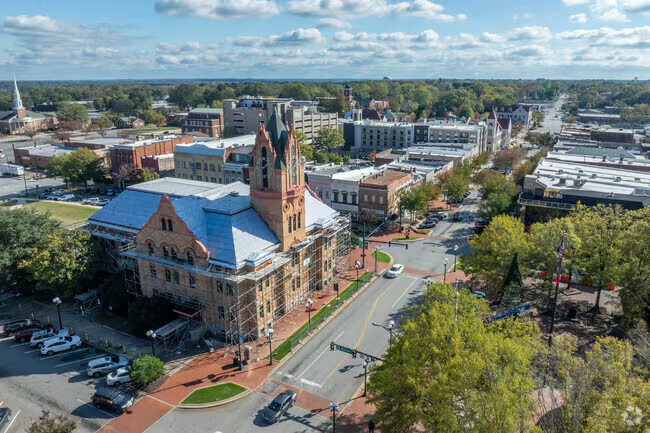
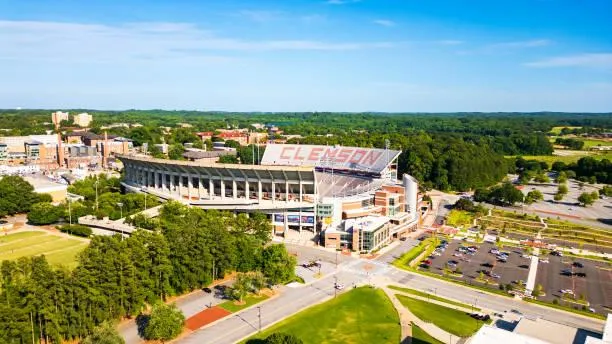
Proudly Serving Greenville and the Upstate’s Largest Cities
Water Damage Restoration Services Across Greenville and Surrounding Areas
More Cleanup, Drying, And Restoration Solutions For Different Water Loss Scenarios
Related Water Damage Services Across Greenville And The Upstate
Water Damage Restoration (24/7 Emergency Service)
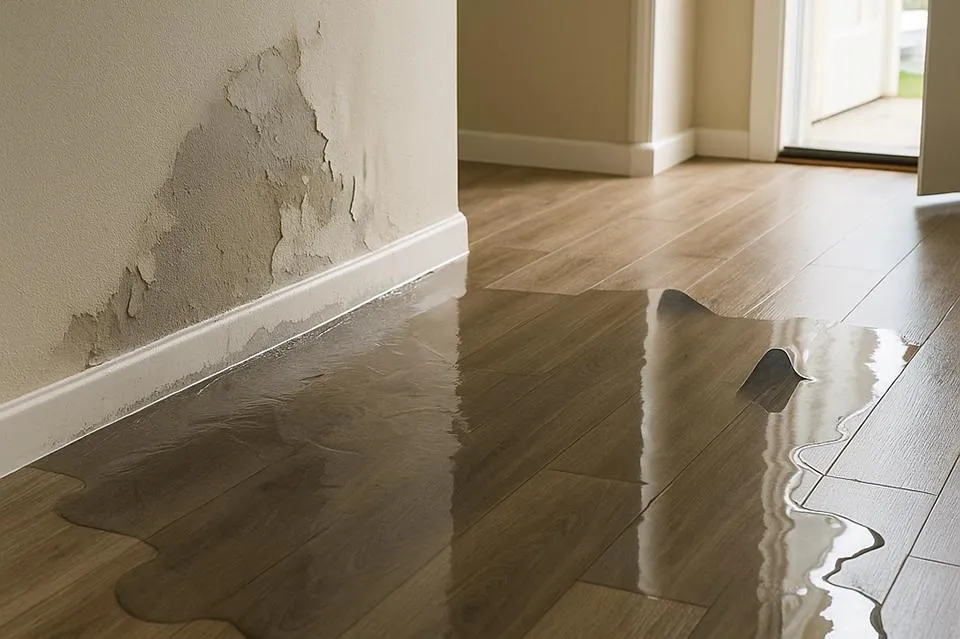
Full-service restoration for water intrusion, hidden moisture, structural drying, and damage recovery in Greenville homes and businesses.
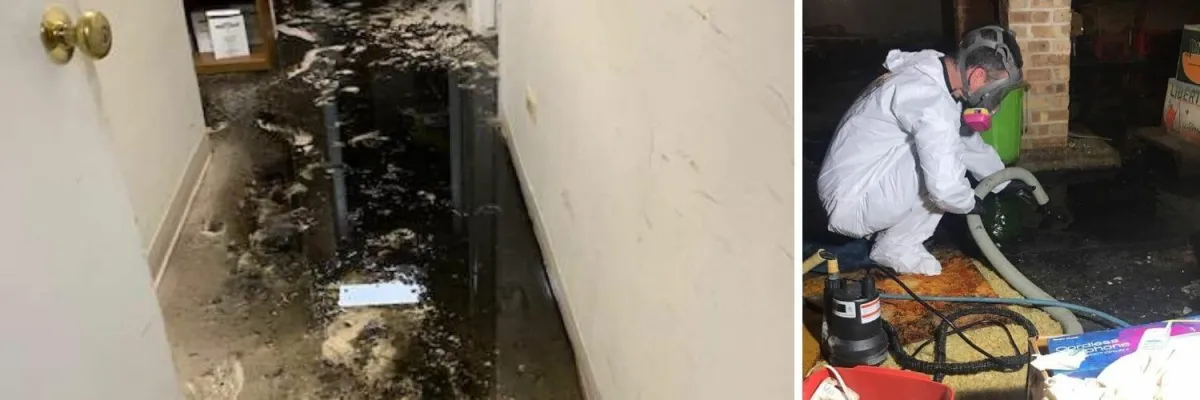
24/7 Emergency Water Removal & Cleanup
Rapid extraction to remove standing water before it spreads deeper into drywall, flooring, insulation, and subfloors.
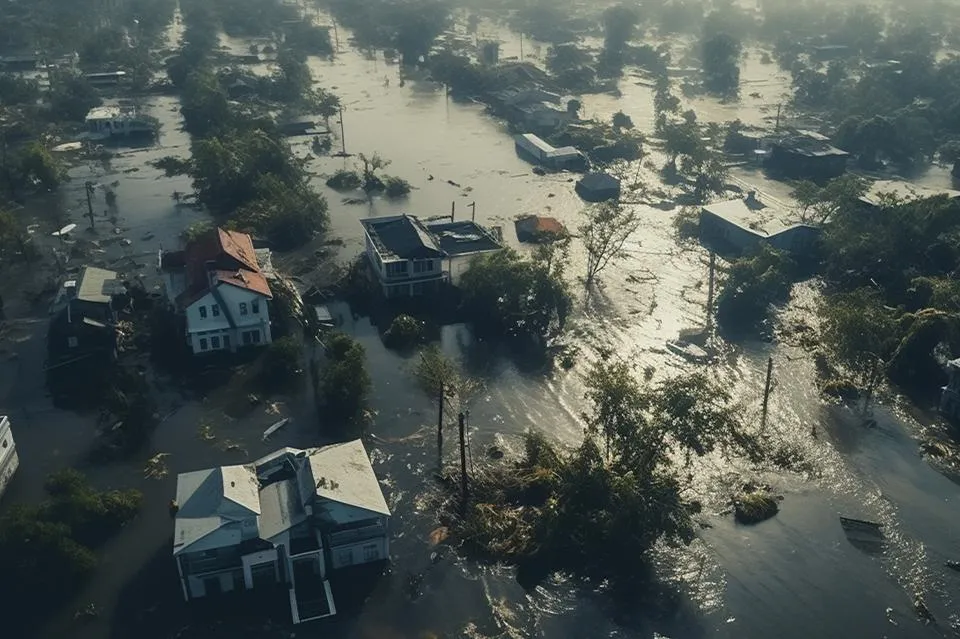
Flood Damage Cleanup & Restoration
Flood cleanup for larger water losses, contaminated water conditions, and widespread material saturation after storms or overflow events.
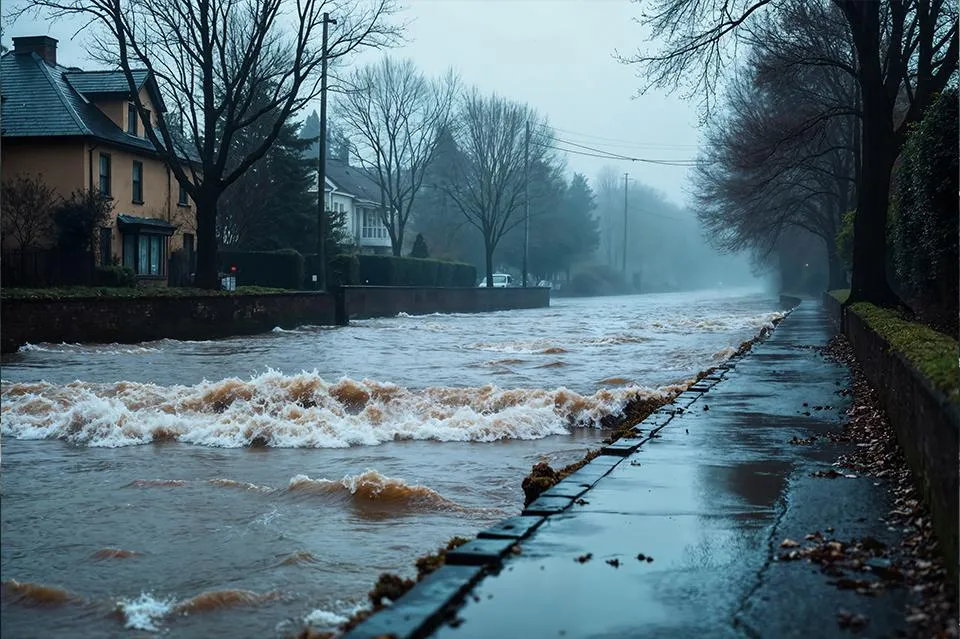
Storm Damage Restoration
Storm-related water intrusion cleanup for roof leaks, wind-driven rain, flooding, and moisture damage after severe weather.
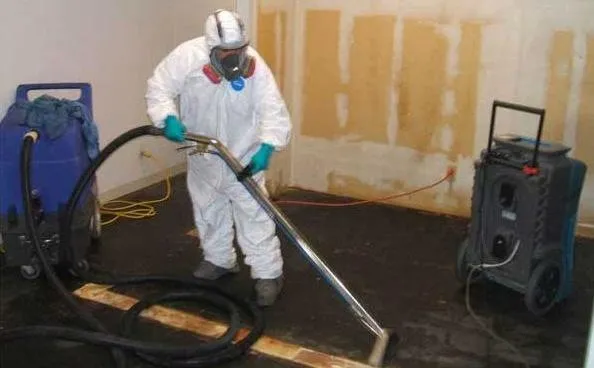
Sewage Backup Cleanup
Controlled cleanup for sewage intrusions with material evaluation, contamination precautions, and restoration planning.
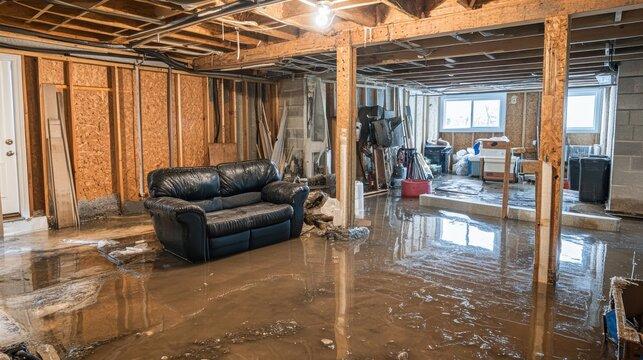
Burst & Frozen Pipe Water Cleanup
Emergency response for sudden pipe failures that release large volumes of water into walls, flooring, and ceilings.
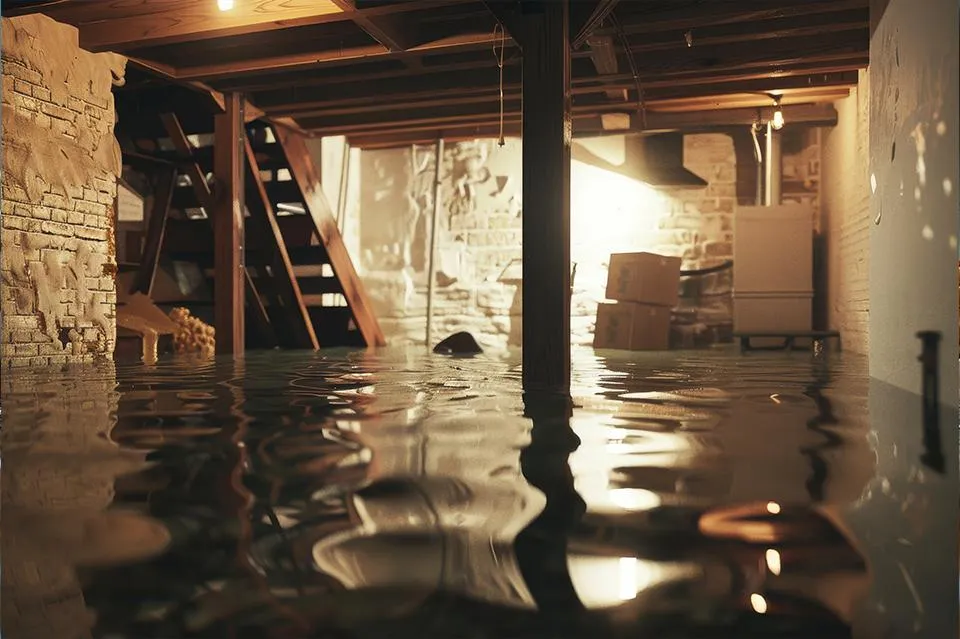
Basement Flooding Cleanup
Cleanup and drying for basement water losses caused by storms, seepage, plumbing failures, or drainage-related problems.
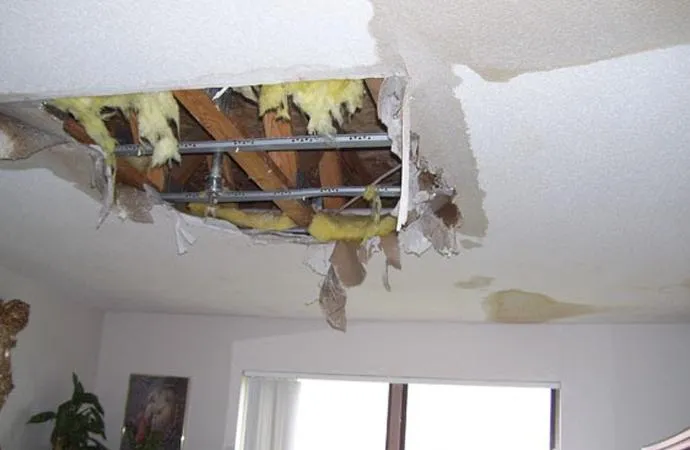
Roof Leak & Ceiling Water Damage
Restoration support for roof leak damage affecting insulation, ceilings, wall cavities, and surrounding building materials.
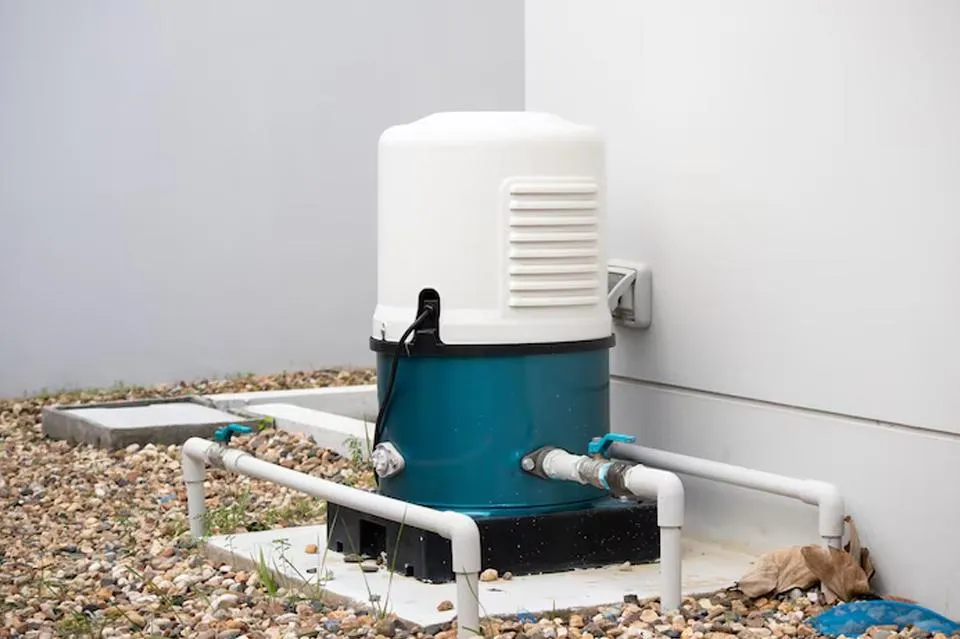
Sump Pump Failure Cleanup
Water removal and drying for sump-related flooding that can quickly affect floors, storage areas, and finished spaces.
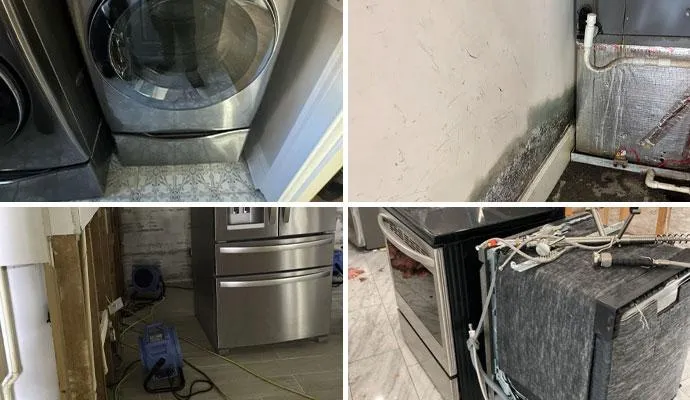
Appliance Leak & Overflow Cleanup
Targeted cleanup for dishwasher, washer, refrigerator, and water heater leaks that often damage cabinets and flooring.
Crawl Space Water Damage
Moisture control and cleanup for wet crawl spaces where trapped humidity and standing water affect the structure above.
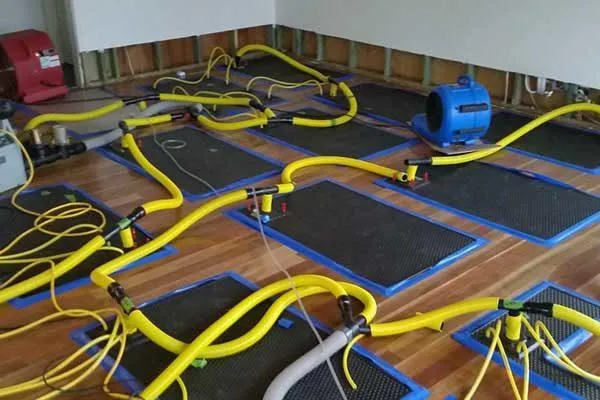
Drying & Dehumidification
Controlled drying focused on removing moisture from materials and air, not just making the surface look dry.
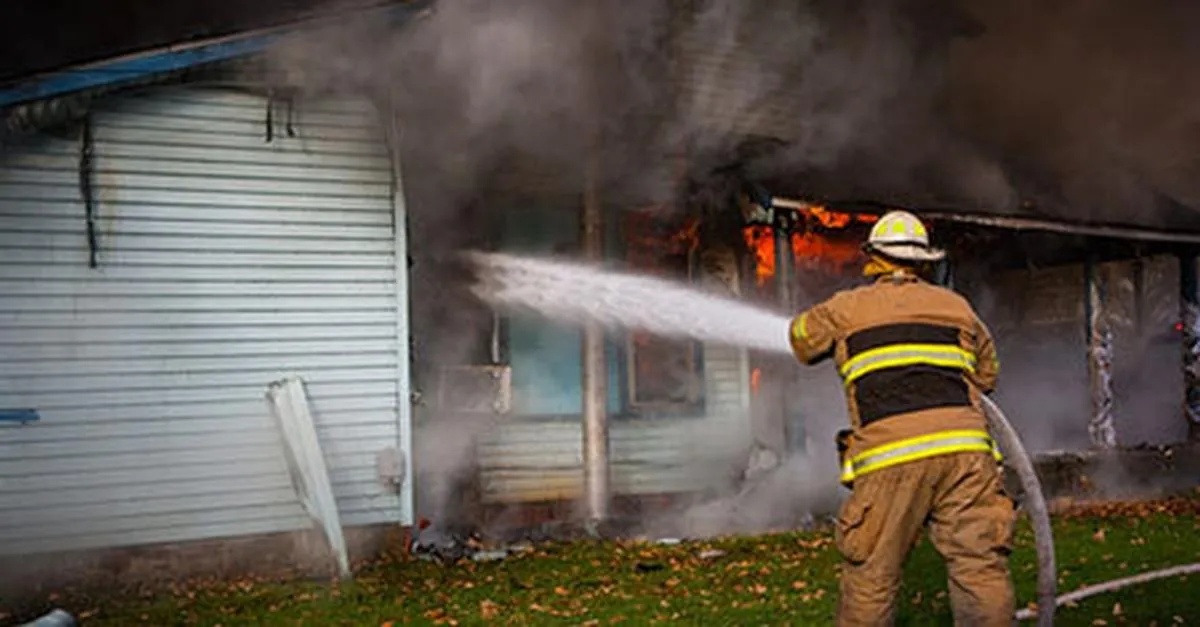
Fire Damage Restoration (Water Damage from Firefighting)
Cleanup and drying for water damage caused by firefighting efforts, including soaked materials and secondary moisture spread.
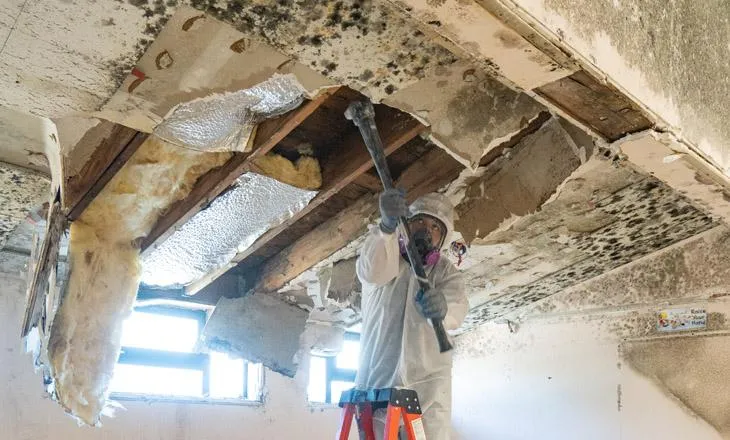
Mold Remediation & Prevention (Post-Water Damage)
Remediation and prevention planning when unresolved moisture leads to visible microbial growth after a water loss.
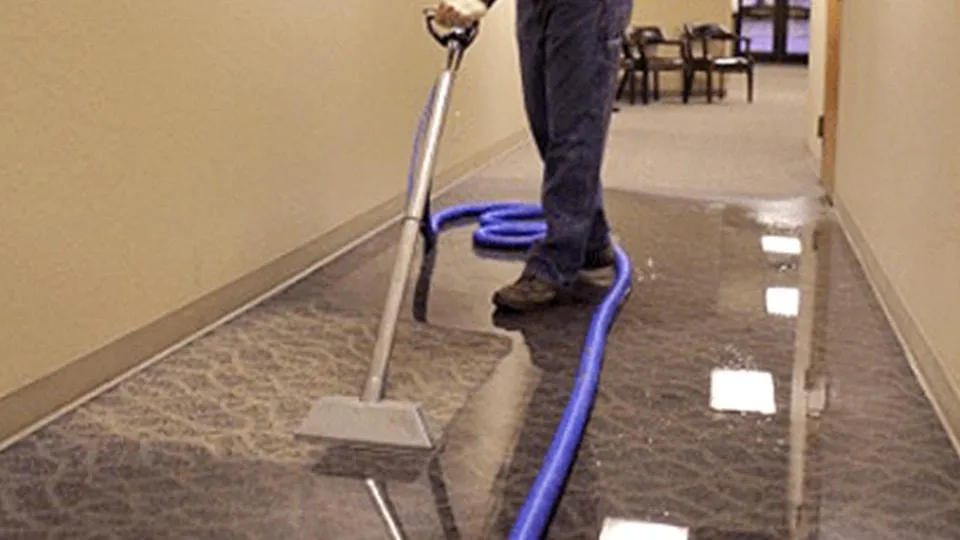
Carpet, Flooring & Upholstery Water Damage Cleanup
Material-specific cleanup and drying decisions for soft goods, carpet systems, hardwood, laminate, and upholstered surfaces.
Find the Google Business Profile Location Closest to You
Explore Our Full Water Restoration Services

Innovation
Fresh, creative solutions.

Integrity
Honesty and transparency.

Excellence
Top-notch services.
Need Emergency Water Damage Restoration in Greenville? Start With the Right Drying Plan
If water has entered your property, the next step is not to wait and see if it dries on its own. The right next step is to identify where the moisture went, remove standing water quickly, and begin a drying process that matches the materials, the structure, and the local conditions. DryDoctors Water Restoration of Greenville is built to respond to emergency water losses in Greenville, SC with extraction, moisture detection, structural drying, and restoration support that reflects how water actually behaves in Upstate homes and businesses.
COMPANY
CUSTOMER CARE
Copyright 2026. DryDoctors Water Restoration of Greenville. All Rights Reserved.