Burst pipes & appliance lines
A sudden water supply failure may release a large volume before the valve is closed. Even where the source begins relatively clean, conditions can change with contact, time and affected materials.
A room can look dry long before the materials inside it are. Restoring a water-damaged property means understanding what happened, determining what became wet, and choosing the right combination of extraction, drying, cleaning and repair.
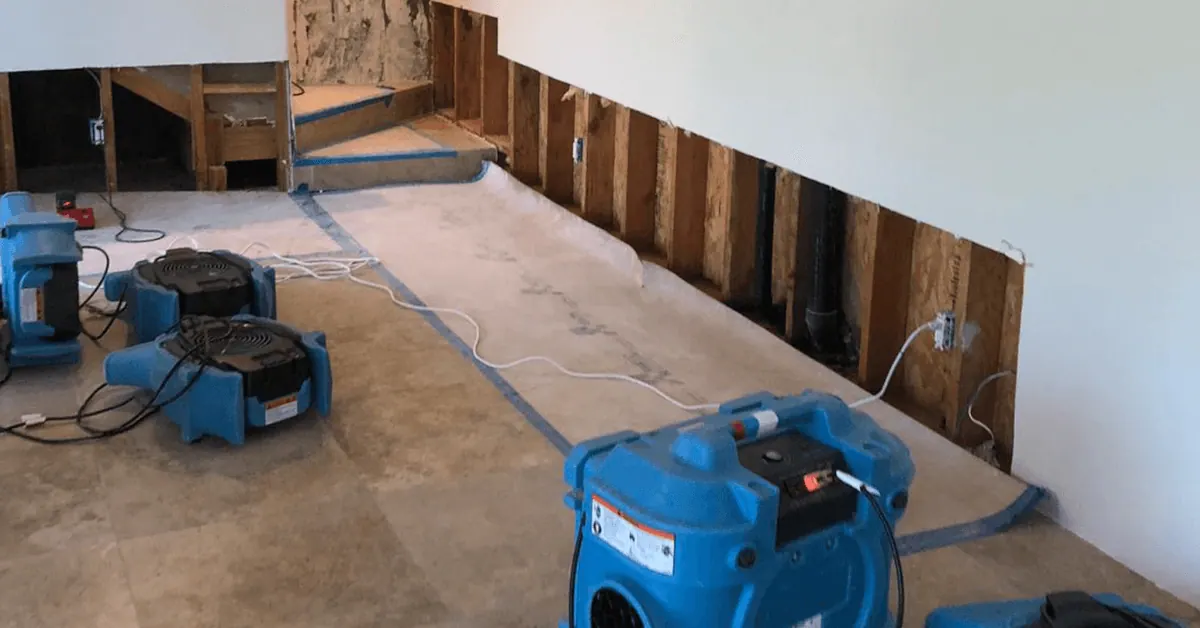
After a supply-line break or appliance failure, there may be obvious puddles and stains. The less obvious concern is water that has traveled beneath flooring, behind trim, into insulation or through openings in the structure. The visible boundary of a wet area may not match the actual affected area.
A professional assessment begins with the source and extent of the loss. It considers safety hazards, possible contamination, building materials, access to wet assemblies and whether contents or finishes can be cleaned and dried. Equipment and removal decisions should follow that assessment—not a fixed checklist applied to every property.
In many cases, extraction reduces the amount of free water, and controlled drying addresses moisture absorbed by materials. Where materials cannot be appropriately restored, selective removal and subsequent repairs may be needed.
“My house flooded” can mean several different things. A technician needs to know where the water actually came from.
A sudden water supply failure may release a large volume before the valve is closed. Even where the source begins relatively clean, conditions can change with contact, time and affected materials.
Backups can introduce significant contamination. Do not assume the water is safe to contact or that ordinary drying equipment alone is an appropriate response.
Water entering from outside can bring soil and other contaminants. The pathway, materials involved and building conditions affect what can be cleaned, dried or removed.
Restoration professionals evaluate water contamination and drying conditions based on the actual loss. Categories of water and classes of water intrusion describe different things; one does not automatically determine the other.
Different wall assemblies react differently depending on contamination, duration of wetting and whether water can escape. Some cases permit drying in place; others require selective access or removal.
Water may remain below surface finishes even after the room feels dry. Subfloor construction, adhesive systems, finish type and duration of exposure all affect whether restoration is practical.
Water can collect at cabinet toe kicks and beneath fixtures. Particleboard, plywood and solid-wood components behave differently; swelling or trapped moisture may affect repair decisions.
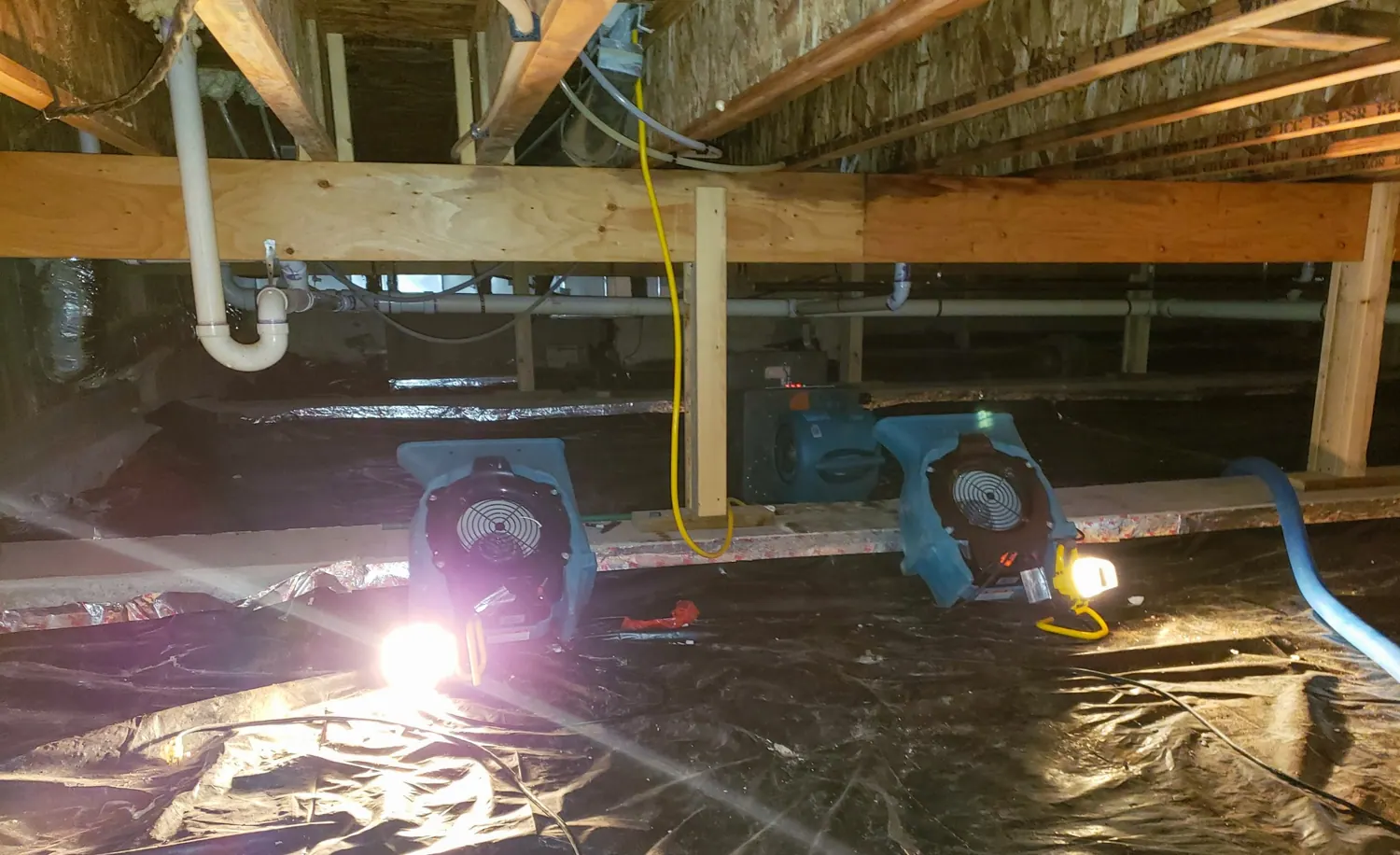
Existing humidity, ground moisture and limited ventilation can complicate drying. The cause of the event needs to be distinguished from chronic moisture problems before a solution is selected.
ANSI/IICRC S500 is a recognized standard for professional water damage restoration. Its value is not a promise that every loss will follow the same steps. It provides a framework for making informed decisions about inspection, extraction, drying, documentation and restoration practices based on conditions.
DryDoctors connects customers with IICRC-certified restoration professionals. That expertise is especially useful when visible water has been removed but the condition of building materials is still uncertain.
Drying duration depends on the water source, materials, environmental conditions, how long the loss has been present, and the effectiveness of the drying approach. A claim that every structure dries in a set number of days would be misleading.
Fans can move air, but they don't independently determine whether enclosed materials are dry or whether contamination makes the situation unsafe. Professional drying considers moisture removal from both materials and the indoor environment.
Coverage depends on the specific policy language and source of loss. For example, a sudden plumbing escape and groundwater flood may be handled very differently. Photograph the damage if safe and consult the insurer about the claim.
Not always. Water source, flooring type, subfloor condition, duration and contamination can change the answer. Avoid unnecessary demolition before the affected area is assessed, unless immediate safety requires action.
DryDoctors Water Restoration of Greenville handles calls for properties in Greenville and surrounding communities, including Taylors, Greer, Mauldin, Simpsonville, Easley and Travelers Rest. The company uses one phone number throughout the service area.
Describe what happened and where the property is located. Call for restoration assistance.
The process is not simply “put fans in the room.” The water source and materials affected influence every decision.
Stop additional water when safe and assess immediate hazards.
Inspect accessible and potentially concealed areas; consider water contamination.
Extract accessible water, address unsalvageable materials and dry appropriately.
Monitor conditions and document how completion was determined.
Educational overview informed by ANSI/IICRC S500; actual work varies with the loss.
Use this as a reference for the first decisions after an unexpected leak. It is not a substitute for emergency services or professional inspection.
Keep out if water may contact electrical equipment, the structure appears unsafe, or sewage or unknown water contamination is present.
Shut off a leaking fixture or main water supply if accessible without entering a hazardous area. Seek plumbing or emergency assistance when needed.
Document visible damage. Floors, wall cavities, insulation and built-ins may hold moisture that is not apparent without measurements.
Extensive wet materials, concealed moisture, sewage and prolonged dampness can require specialized evaluation, extraction and drying.
Based on general principles reflected in ANSI/IICRC S500; the correct procedure depends on site-specific conditions and professional judgment.
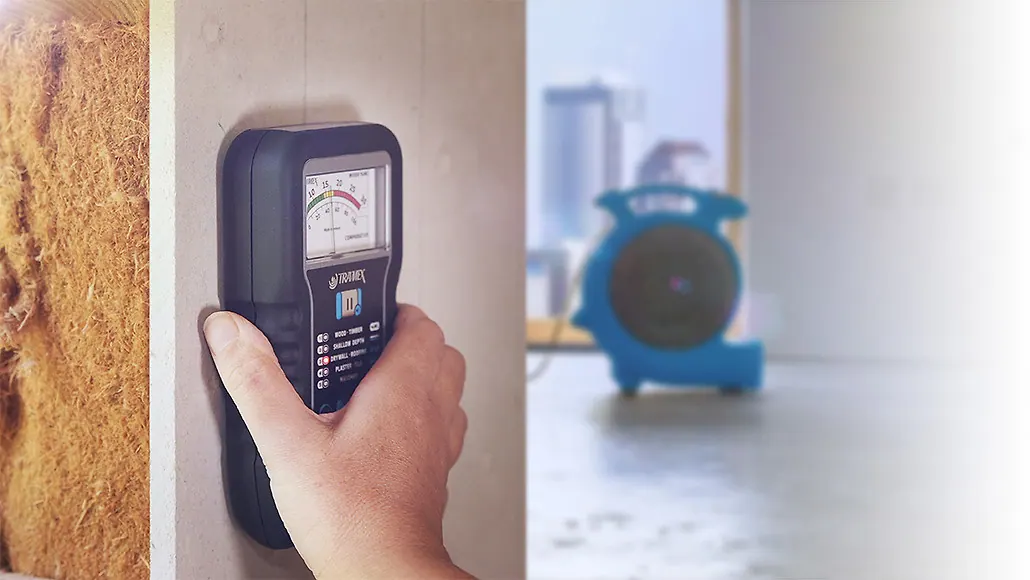
Moisture cannot always be judged by touch. A qualified restorer can compare instrument readings with unaffected materials and monitor conditions over time.
No. Material type, contamination, duration and access affect whether materials can be dried in place or need removal.