Mold Cleanup That Focuses on Moisture Control, Containment, and Preventing the Problem From Returning
Mold Remediation & Prevention After Water Damage in Greenville, SC
This Service Is About Removing Active Mold Conditions and Correcting the Moisture Problem That Allowed Them To Develop
What Mold Remediation After Water Damage Actually Means
Mold remediation and prevention in Greenville, SC should begin with a direct answer: identify the moisture source, control contamination spread during cleanup, remove or remediate affected materials as appropriate, and dry the structure so mold conditions are less likely to return. Mold growth after water damage is usually not a standalone problem. It is a moisture problem first. If water remains trapped in drywall, insulation, framing, subfloors, crawl spaces, or ceiling cavities, mold can develop on or within affected materials even after the original leak or flood seems to be over.
That matters in Greenville because humidity slows drying, crawl spaces are common, roof leaks can keep insulation wet above the ceiling line, and many homes have hidden assemblies where moisture remains active longer than expected. A useful mold remediation service has to deal with both parts of the problem: the visible mold condition and the retained moisture that caused it.
Hidden Moisture Creates Conditions for Mold Long Before the Full Problem Is Visible
Why Mold Problems Usually Start Quietly After Water Damage
Many post-water-damage mold issues begin in concealed areas. A slow appliance leak, wet crawl space, roof leak, plumbing failure, or incomplete drying project can leave moisture inside wall cavities, under flooring, behind cabinets, or above ceilings. By the time visible staining, spotting, or odor is noticed, the moisture problem may have been active for much longer. In Greenville, humid conditions can make those hidden wet areas harder to dry naturally, which gives moisture-sensitive materials more time to remain affected.
Mold after water damage is usually tied to moisture that stayed in the building longer than it should have.
Hidden wet materials behind walls, under floors, or above ceilings are common starting points for mold conditions.
Fast moisture correction and proper containment help reduce how far the problem can spread during remediation.
The Job Is Not Just To Wipe Surfaces. It Is To Address A Moisture-Driven Contamination Condition Correctly
Why Mold Remediation Is Different From Basic Cleanup
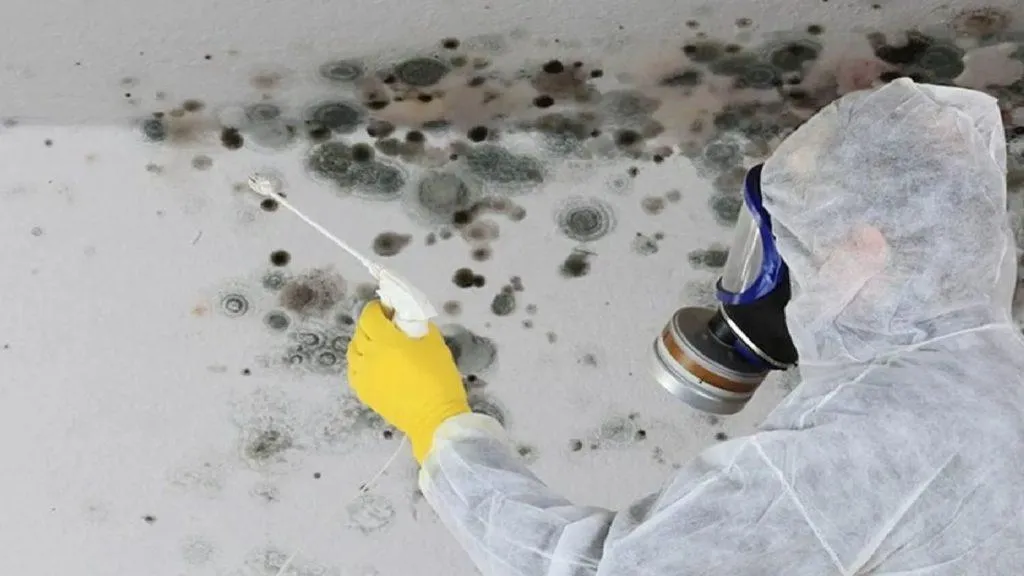
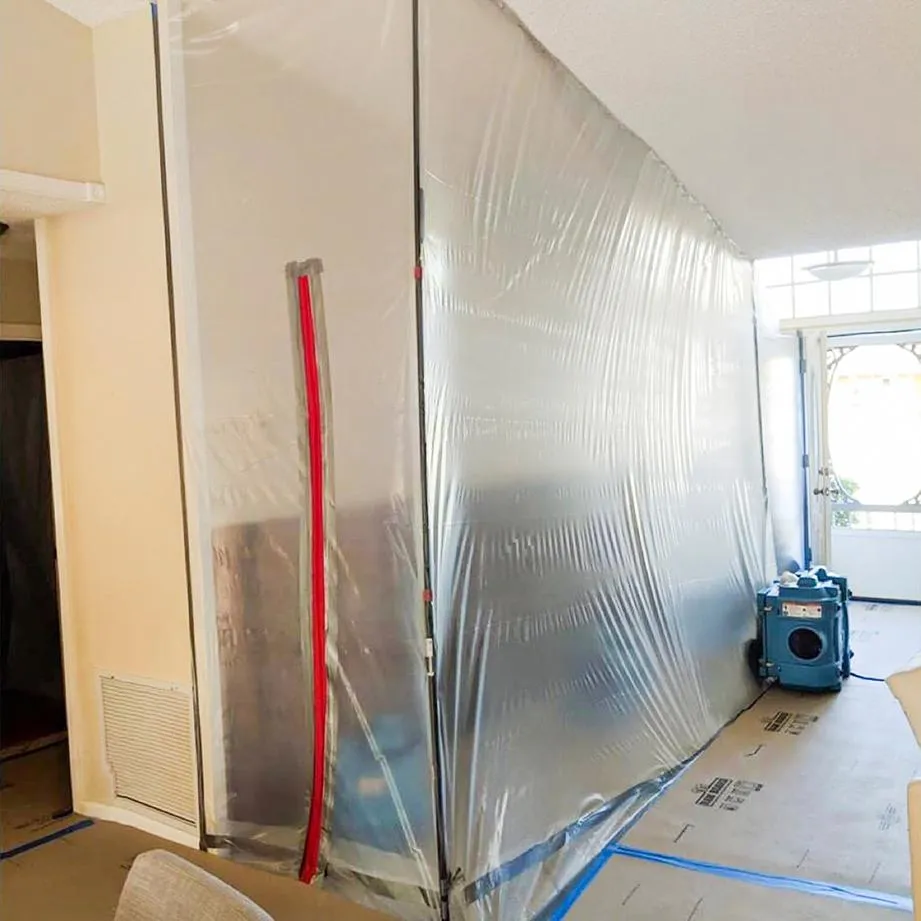
Mold remediation is different from standard cleanup because the issue is not just visible discoloration on a surface. The real concern is whether moisture has affected materials deeply enough that contamination conditions continue inside the assembly. That changes how the cleanup should be approached. The work may involve containment, controlled removal of unsalvageable materials, cleaning of affected surfaces where appropriate, and structural drying to correct the moisture conditions that supported the growth.
That distinction matters in Greenville homes and businesses because post-water-damage mold often shows up in crawl spaces, wall cavities, roof leak areas, bathroom assemblies, utility rooms, and under flooring systems where the visible surface does not tell the full story.
Wet Materials, Trapped Humidity, and Incomplete Drying Create the Conditions Mold Uses To Develop
How Moisture Leads To Mold After A Water Loss
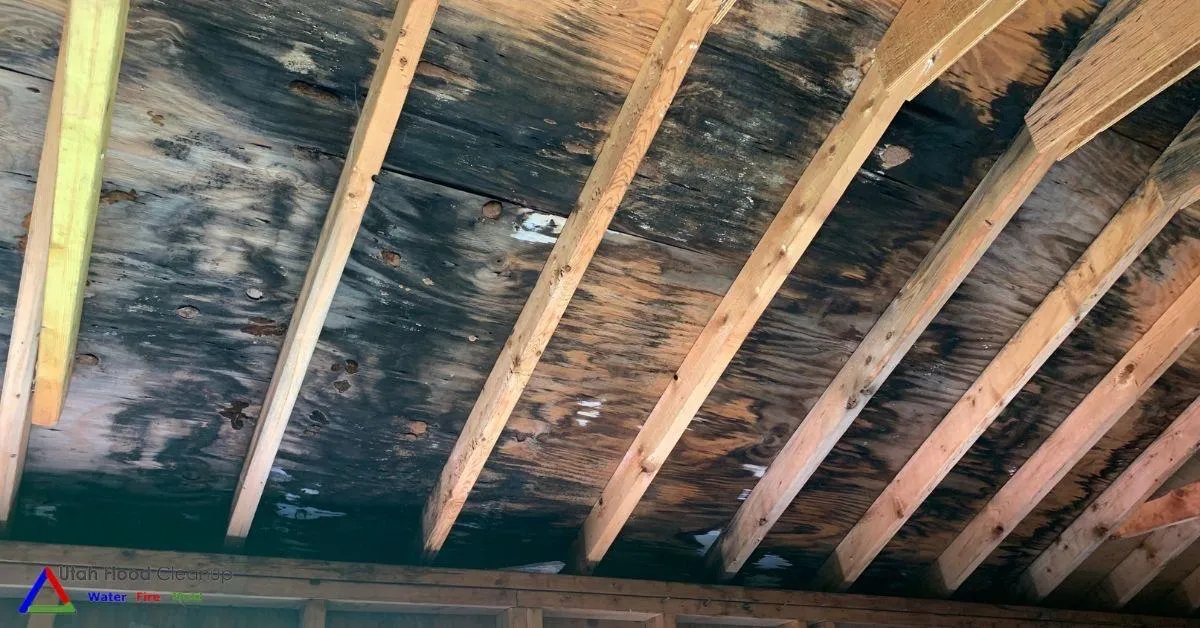
Mold problems after water damage usually form when moisture remains in building materials long enough for conditions to stay favorable. Wet drywall, damp insulation, humid crawl spaces, subfloor moisture, and ceiling cavities affected by roof leaks are common examples. The issue is not only direct saturation. Trapped humidity in enclosed spaces can also keep materials damp enough to support mold-related problems over time.
In Greenville, that matters because outdoor humidity already puts extra pressure on the drying environment. If a property has a crawl space, slab-edge flooring issue, hidden plumbing leak, or storm-related roof intrusion, the retained moisture can remain active longer unless it is deliberately removed through structural drying and moisture control.
Removing Visible Mold Without Correcting the Moisture Condition Leaves the Real Cause in Place
Why Drying Still Matters During Mold Remediation
A mold cleanup project is incomplete if the moisture problem remains unresolved. Even when visible affected material is removed or cleaned appropriately, retained moisture inside framing, subfloors, wall cavities, insulation, or adjacent assemblies can allow the conditions to continue. That is why mold remediation after water damage still depends on controlled drying, dehumidification, and moisture verification as part of the process.
In Greenville, where humidity can slow evaporation and hidden wet areas are common in crawl spaces, ceilings, and floor systems, moisture correction is what turns mold cleanup into a longer-term solution. Without that step, the visible problem may improve while the underlying condition remains active.
Why Greenville Property Owners Call DryDoctors For Mold Remediation After Water Damage
Moisture-First Remediation: The work starts with the real cause of most mold problems after water damage: retained moisture in the structure, not just what is visible on the surface.
Built For Greenville Conditions: We prevent mold from spreading inside your home. Humidity, crawl spaces, roof leaks, slab homes, older wall assemblies, and hidden moisture paths all affect how mold conditions develop in Greenville properties.
Containment-Aware Cleanup: We treat both the moisture and the mold. Mold remediation has to be approached carefully so affected areas are isolated and the cleanup process does not create a larger contamination problem.
Structural Drying Focus: Visible mold removal is only part of the job. The goal is to dry the affected assemblies so the moisture condition supporting the growth is corrected.
Standards-Aware Restoration Logic: We apply treatments to stop it from coming back. Material evaluation, containment, drying, and remediation decisions should be based on moisture behavior and practical remediation judgment rather than appearance alone.
Don't worry, we can help!
Good Mold Remediation Helps Keep A Water Damage Problem From Turning Into A Long-Term Moisture Issue
The most useful mold remediation response is the one that changes the condition that caused the growth in the first place. By identifying the moisture source, containing affected areas, addressing impacted materials appropriately, and starting controlled drying, the remediation process can reduce the chance that the same wet condition continues inside the building. In Greenville, where humidity and hidden moisture are common factors, that early moisture-focused response often determines whether the problem is truly corrected or just cosmetically improved.
Moisture correction helps prevent the same water-related mold condition from continuing after cleanup.
Containment and material evaluation help keep the remediation process focused and controlled.
Drying and verification help move the property toward a more stable post-remediation condition.
Humidity, Crawl Spaces, Roof Leaks, and Hidden Assemblies All Affect How Mold Develops After Water Damage
Why Local Conditions Matter In Greenville Mold Problems
Mold remediation and prevention in Greenville is shaped by local conditions. Humid weather slows natural drying and keeps enclosed spaces damp longer. Crawl spaces are common and can feed moisture upward into floor systems. Roof leaks can keep attic insulation and ceiling assemblies wet above the visible damage area. Slab-on-grade homes may hold hidden moisture beneath finished floors, while older homes may have layered materials and concealed cavities that dry slowly after leaks or flooding.
That local context matters because mold after water damage is not just a cleaning issue. In Greenville and the surrounding Upstate, it is usually a hidden moisture problem shaped by weather, building design, and how long wet materials were allowed to stay damp before the response began.
What Property Owners Usually Need To Know After Water Damage Leads To Mold
Mold Remediation Questions In Greenville
These are the most common questions after mold shows up following a leak, flood, crawl space problem, or incomplete drying event in Greenville: why it happened, what needs to be corrected, and why moisture control matters so much.
Why does mold show up after water damage even when the visible leak is gone?
Because the leak ending does not mean the structure is dry. Moisture may still be trapped in drywall, insulation, subfloors, framing, or concealed cavities, and those damp materials can continue supporting mold-related conditions after the original water source appears to be over.
Is cleaning visible mold enough to solve the problem?
Usually not. Visible cleanup alone does not correct the retained moisture that allowed the growth to develop. The moisture source and the affected materials still have to be evaluated as part of proper remediation.
Can hidden moisture behind walls or under floors still be part of the problem?
Yes. Hidden wet materials are one of the most common reasons mold returns or remains active after a partial cleanup. That is why moisture mapping and drying matter during remediation.
Why is dehumidification important during mold remediation after water damage?
Dehumidification helps remove moisture from the air so wet materials can continue drying. Without that step, the building can stay damp enough for moisture-related problems to continue even after visible cleanup work is done.
Proudly Serving Greenville and the Upstate’s Largest Cities
Water Damage Restoration Services Across Greenville and Surrounding Areas
More Cleanup, Drying, And Restoration Solutions For Different Water Loss Scenarios
Related Water Damage Services Across Greenville And The Upstate
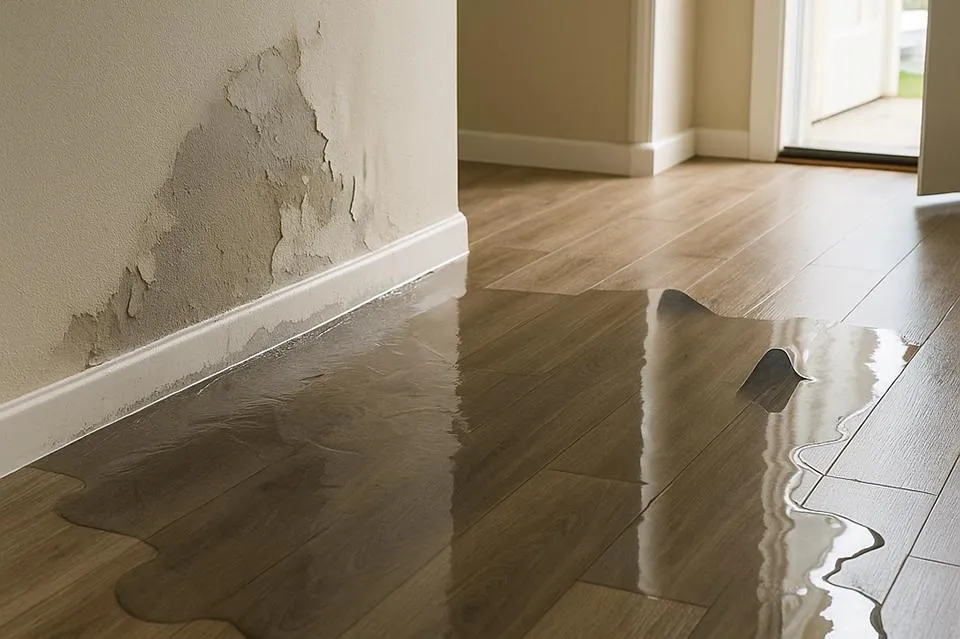
Water Damage Restoration (24/7 Emergency Service)
Full-service restoration for water intrusion, hidden moisture, structural drying, and damage recovery in Greenville homes and businesses.
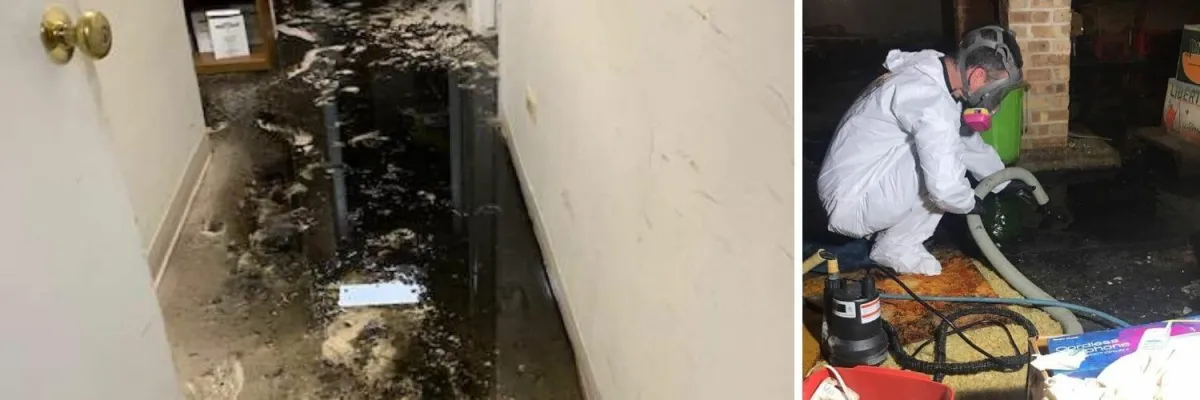
24/7 Emergency Water Removal & Cleanup
Rapid extraction to remove standing water before it spreads deeper into drywall, flooring, insulation, and subfloors.
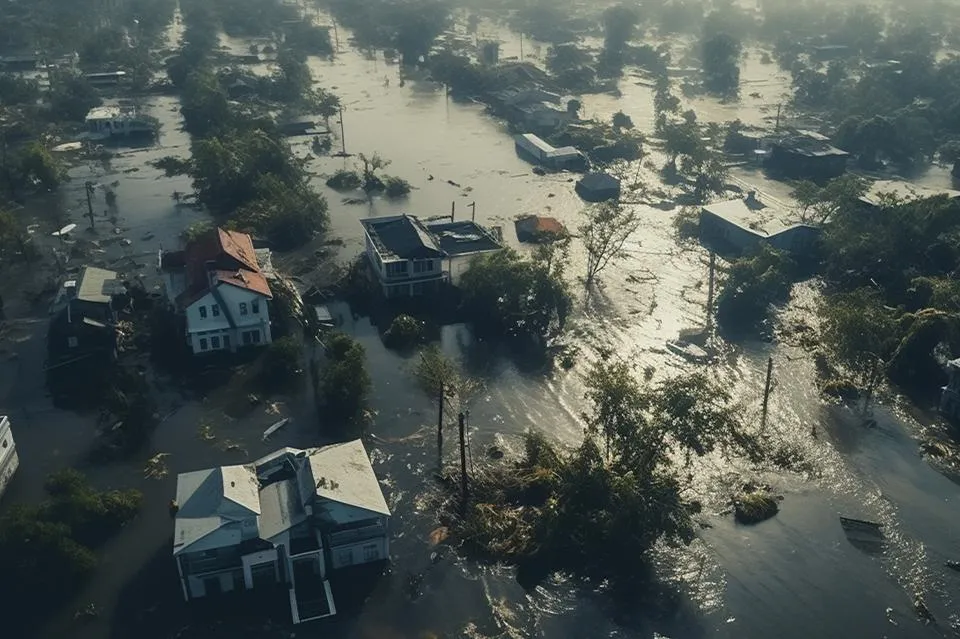
Flood Damage Cleanup & Restoration
Flood cleanup for larger water losses, contaminated water conditions, and widespread material saturation after storms or overflow events.
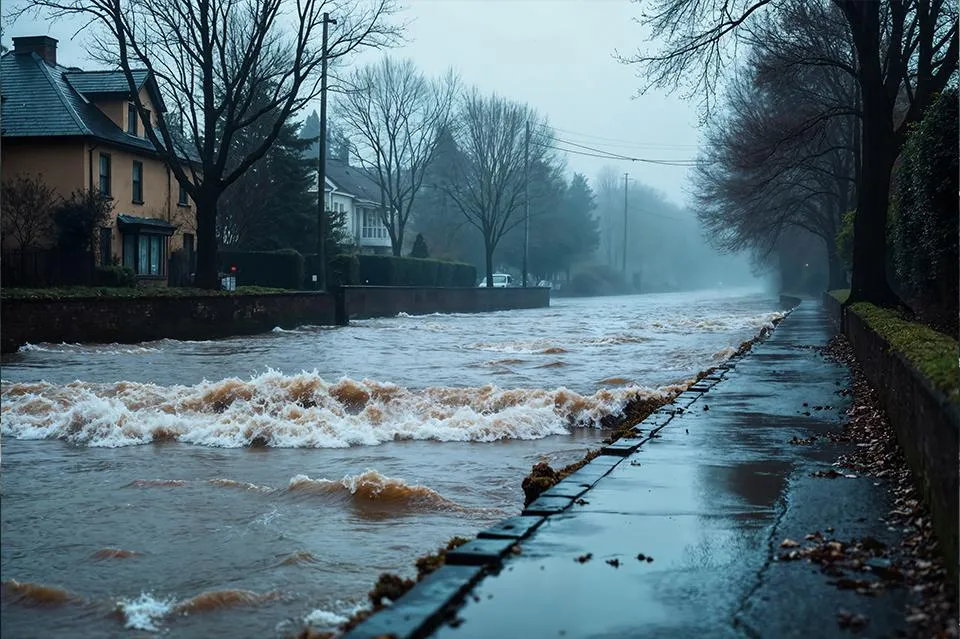
Storm Damage Restoration
Storm-related water intrusion cleanup for roof leaks, wind-driven rain, flooding, and moisture damage after severe weather.
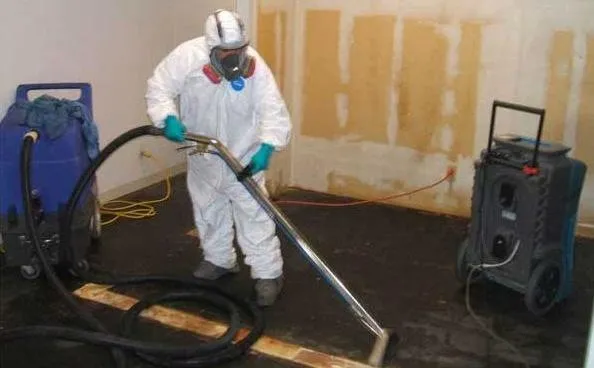
Sewage Backup Cleanup
Controlled cleanup for sewage intrusions with material evaluation, contamination precautions, and restoration planning.
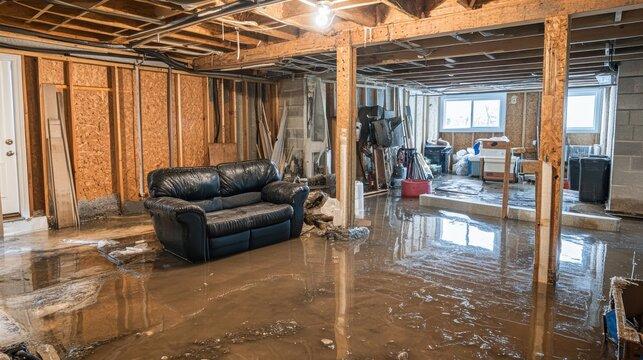
Burst & Frozen Pipe Water Cleanup
Emergency response for sudden pipe failures that release large volumes of water into walls, flooring, and ceilings.
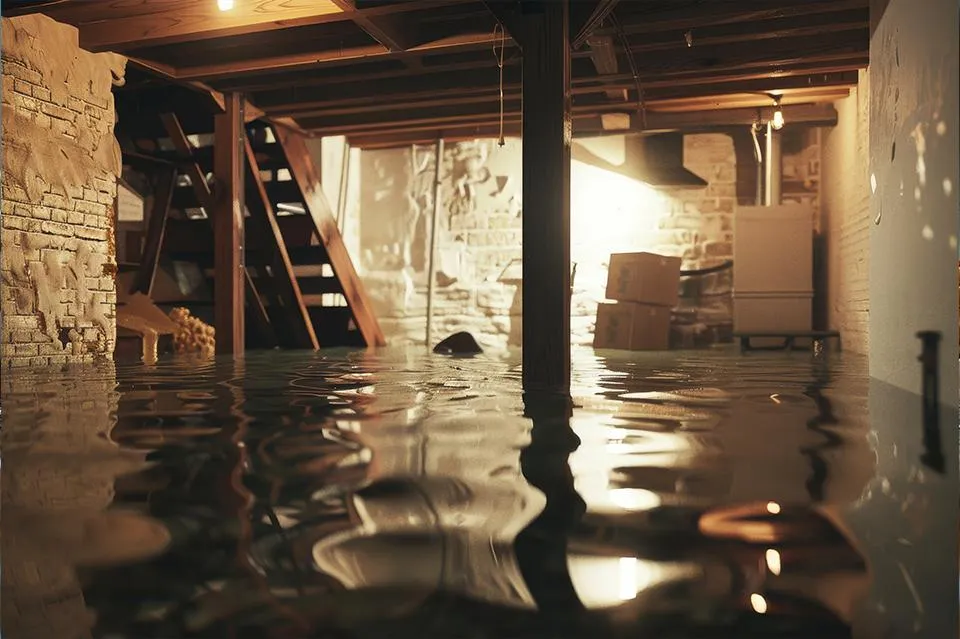
Basement Flooding Cleanup
Cleanup and drying for basement water losses caused by storms, seepage, plumbing failures, or drainage-related problems.
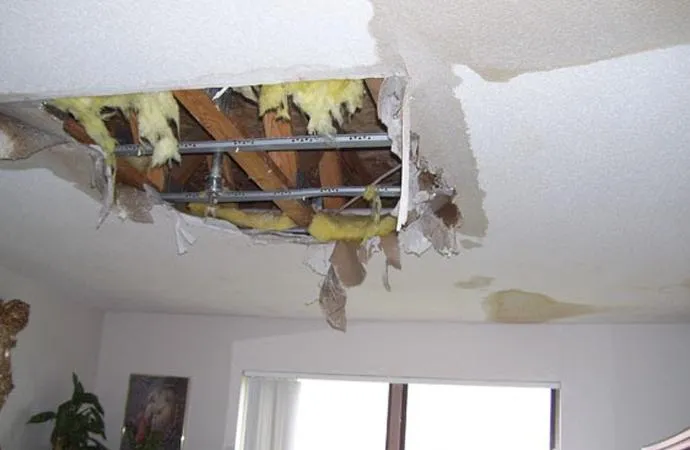
Roof Leak & Ceiling Water Damage
Restoration support for roof leak damage affecting insulation, ceilings, wall cavities, and surrounding building materials.
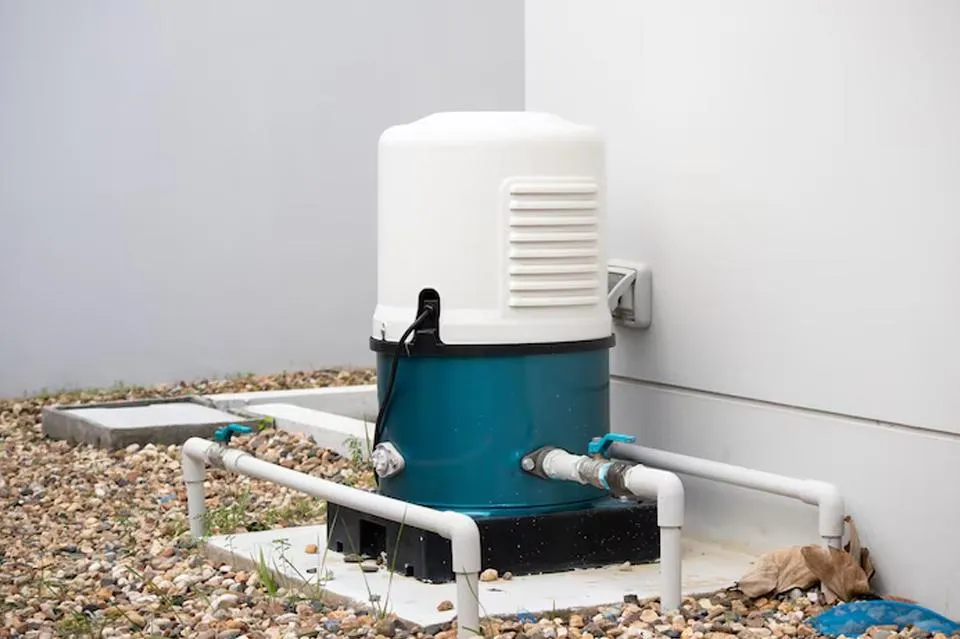
Sump Pump Failure Cleanup
Water removal and drying for sump-related flooding that can quickly affect floors, storage areas, and finished spaces.
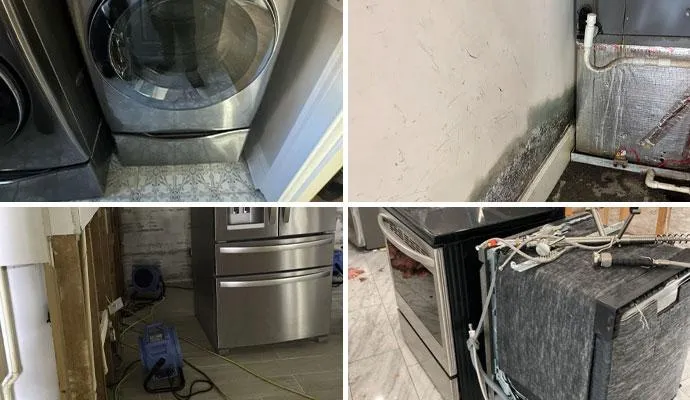
Appliance Leak & Overflow Cleanup
Targeted cleanup for dishwasher, washer, refrigerator, and water heater leaks that often damage cabinets and flooring.
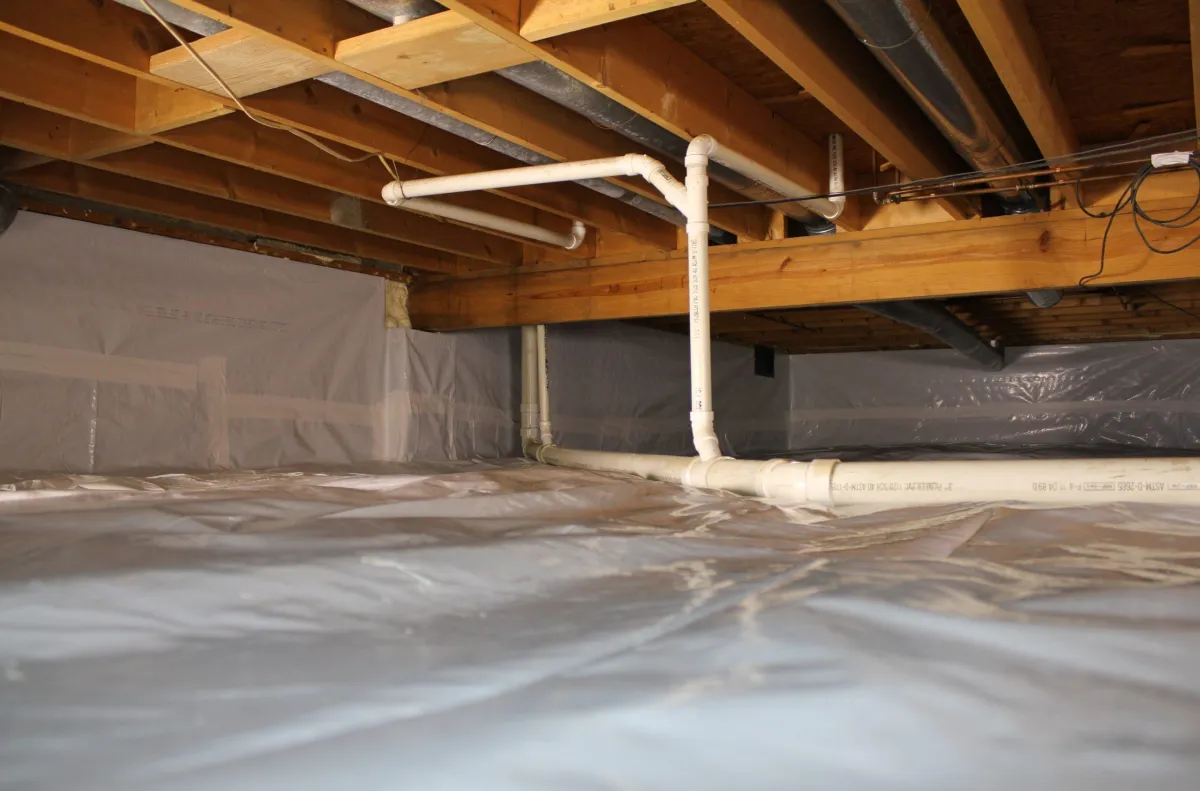
Crawl Space Water Damage
Moisture control and cleanup for wet crawl spaces where trapped humidity and standing water affect the structure above.
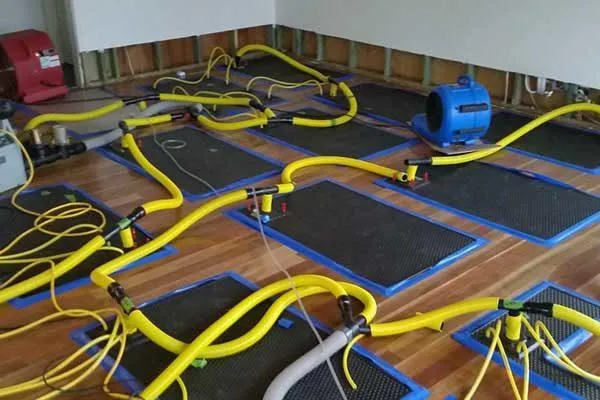
Drying & Dehumidification
Controlled drying focused on removing moisture from materials and air, not just making the surface look dry.
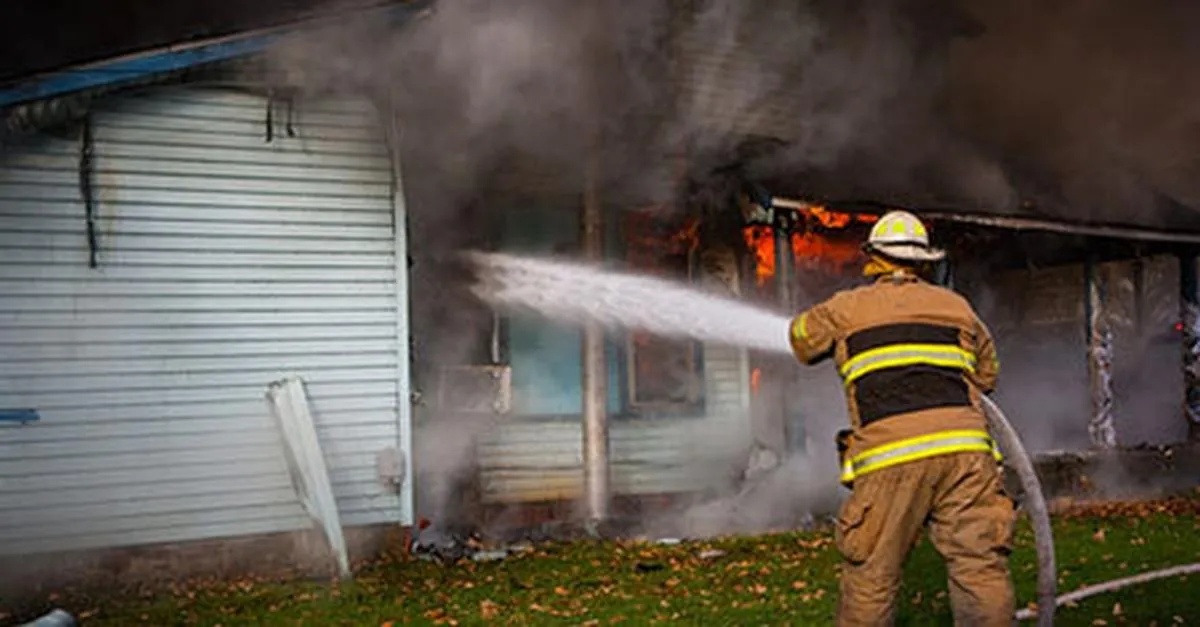
Fire Damage Restoration (Water Damage from Firefighting)
Cleanup and drying for water damage caused by firefighting efforts, including soaked materials and secondary moisture spread.
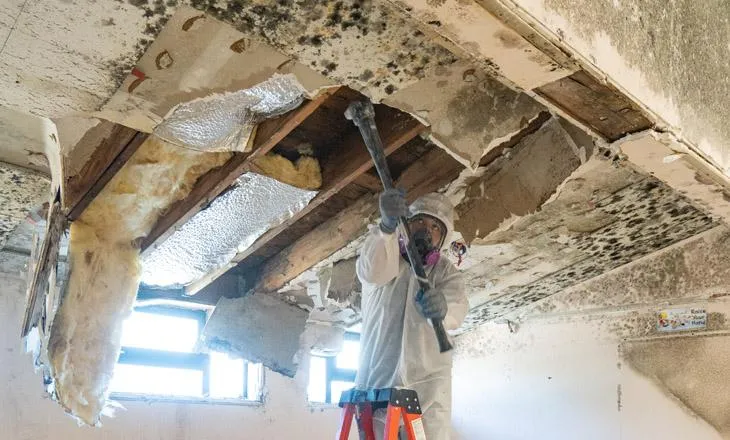
Mold Remediation & Prevention (Post-Water Damage)
Remediation and prevention planning when unresolved moisture leads to visible microbial growth after a water loss.
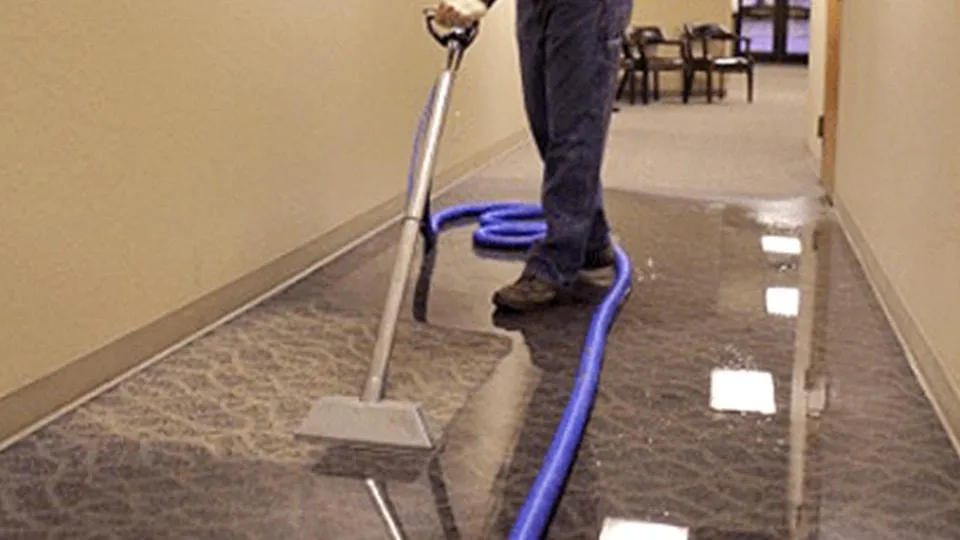
Carpet, Flooring & Upholstery Water Damage Cleanup
Material-specific cleanup and drying decisions for soft goods, carpet systems, hardwood, laminate, and upholstered surfaces.
Find the Google Business Profile Location Closest to You
Explore Our Full Water Restoration Services

Innovation
Fresh, creative solutions.

Integrity
Honesty and transparency.

Excellence
Top-notch services.
Need Emergency Water Damage Restoration in Greenville? Start With the Right Drying Plan
If water has entered your property, the next step is not to wait and see if it dries on its own. The right next step is to identify where the moisture went, remove standing water quickly, and begin a drying process that matches the materials, the structure, and the local conditions. DryDoctors Water Restoration of Greenville is built to respond to emergency water losses in Greenville, SC with extraction, moisture detection, structural drying, and restoration support that reflects how water actually behaves in Upstate homes and businesses.
COMPANY
CUSTOMER CARE
Copyright 2026. DryDoctors Water Restoration of Greenville. All Rights Reserved.