Professional Drying That Removes Hidden Moisture From the Structure, Not Just the Surface
Structural Drying & Dehumidification in Greenville, SC
This Service Is About Pulling Retained Moisture Out of Materials Before It Keeps Damaging the Structure
What Structural Drying and Dehumidification Actually Means
Structural drying and dehumidification in Greenville, SC should begin with a direct answer: remove the moisture left inside the building materials after a water loss, not just the visible water on the surface. Once standing water is extracted, the real challenge is the moisture that remains in drywall, subfloors, framing, insulation, trim, flooring systems, and wall cavities. If that retained moisture is not removed, the structure can continue deteriorating even when the room looks better.
That matters in Greenville because humidity slows natural evaporation, crawl spaces and slab foundations create hidden moisture paths, and many Upstate homes include layered materials that hold water longer than expected. Structural drying is the controlled process of using airflow, dehumidification, and monitoring to move moisture out of wet materials and out of the indoor environment.
A Room Can Look Dry While the Structure Is Still Wet Inside
Why Drying Is Different From Cleanup
One of the biggest misunderstandings after water damage is assuming that visible improvement means the job is done. In reality, drywall, insulation, wood trim, subfloors, framing, and flooring layers can continue holding moisture long after standing water is removed. In Greenville properties, this is even more important because humid weather slows drying and allows hidden moisture to remain active longer if the environment is not controlled.
Surface drying is not the same as structural drying because retained moisture may still be inside walls, floors, and framing.
Different materials dry at different rates, so a room may feel normal while deeper assemblies remain wet.
Controlled drying and dehumidification help move moisture out of the structure instead of letting it stay trapped.
Drywall, Hardwood, Insulation, Subfloors, and Framing Do Not Dry the Same Way
Why Materials Respond Differently to Moisture
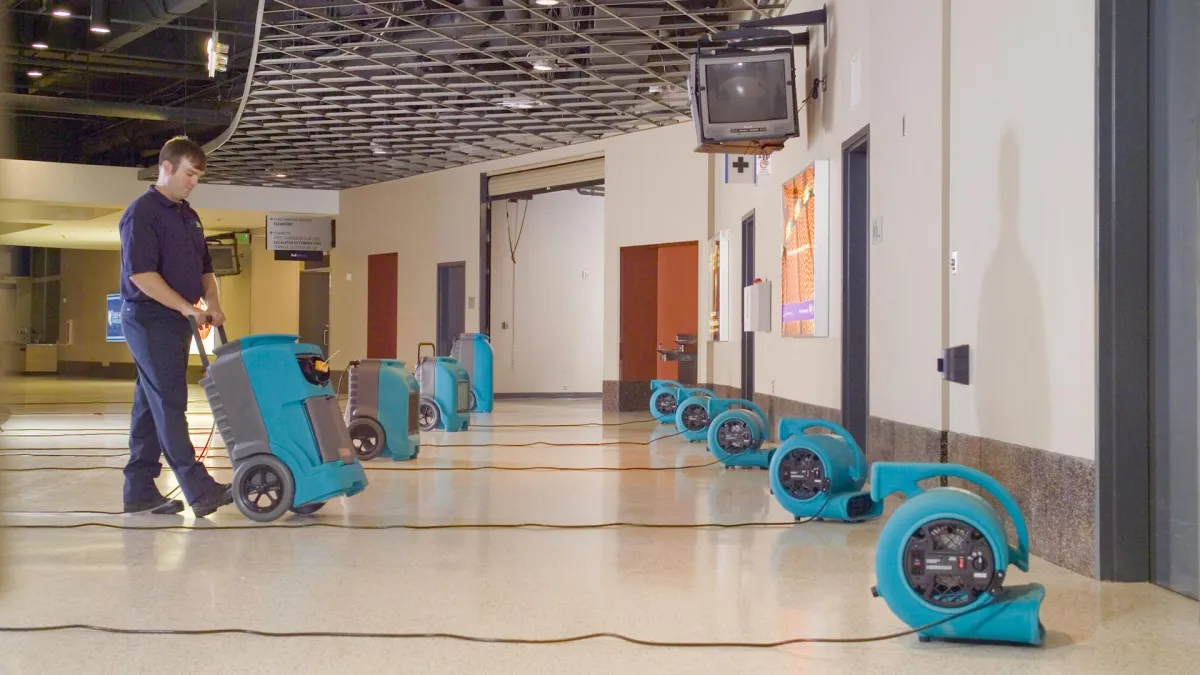
Structural drying has to account for how different materials absorb and release water. Drywall and carpet pad can take on water quickly. Insulation often holds moisture longer than people expect. Hardwood flooring may show delayed problems as moisture remains below the surface. Subfloors and framing can retain water deep inside the assembly even after the room feels dry. That is why a proper drying plan cannot rely on guesswork or appearance.
In Greenville homes, where mixed flooring types, older wall assemblies, roof leak paths, crawl spaces, and slab conditions are common, drying strategy has to match the materials involved. The question is not just what got wet. The question is how that material behaves once it is wet.
Drying Works by Moving Water Out of Materials, Into the Air, and Then Out of the Building
How Moisture Leaves a Structure
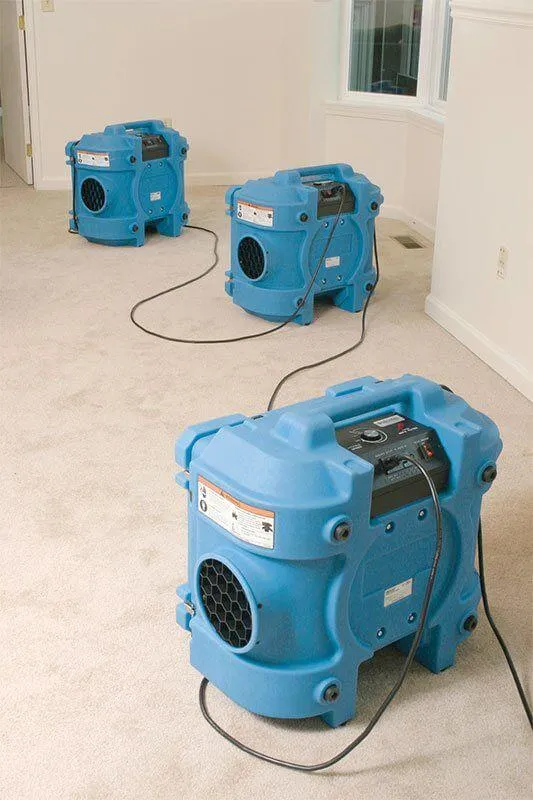
Structural drying depends on a controlled process. Moisture has to leave the affected material through evaporation, enter the surrounding air, and then be removed from that air through dehumidification. If moisture enters the air but is not removed, it can reabsorb into other materials or stay trapped in the environment. That is why air movers alone are not enough. The drying environment has to be controlled so the moisture has a place to go.
In Greenville, this matters because ambient humidity can already be high, especially after storms or during warm seasonal conditions. Without dehumidification, the indoor air can stay too damp to support effective drying.
The Most Important Drying Work Often Happens in Areas You Cannot See Directly
Why Hidden Moisture Is the Real Risk
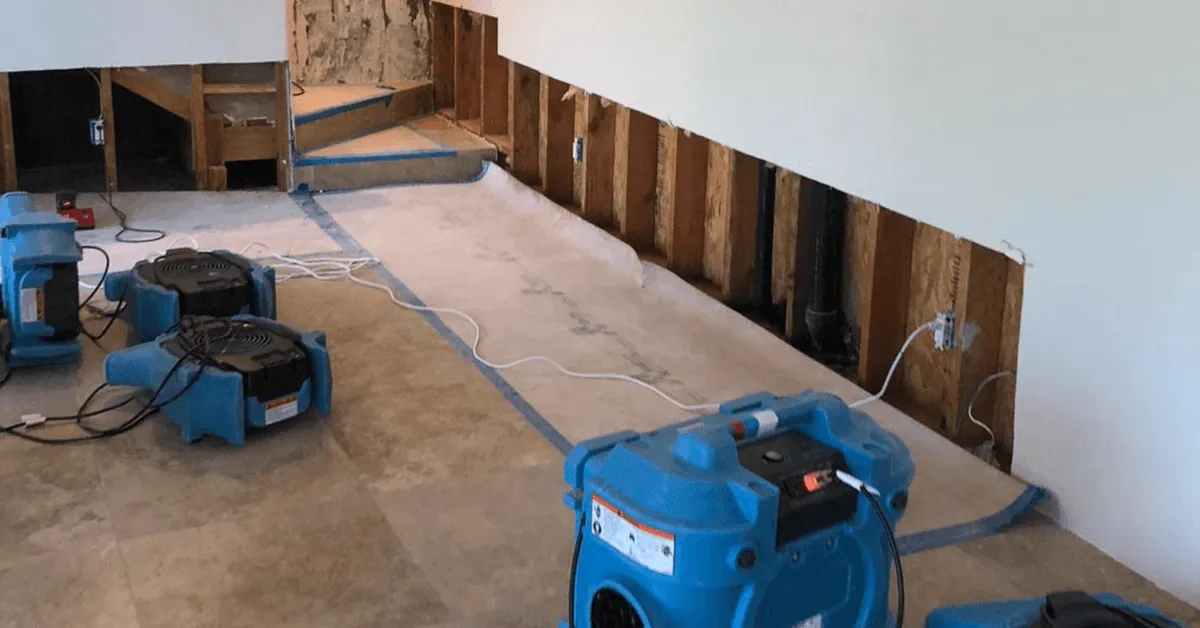
Hidden moisture is often the reason structural drying is needed in the first place. Water may remain behind baseboards, under flooring, inside wall cavities, above ceilings, in insulation, or within framing long after the visible damage improves. Those concealed wet areas are where incomplete drying causes longer-term problems. If the drying plan is based only on what looks wet, the structure may still contain trapped moisture even after the cleanup appears finished.
In Greenville properties, hidden moisture commonly develops in crawl space transitions, slab-edge flooring systems, roof leak assemblies, cabinet bases, and lower wall sections after water losses. Moisture mapping and drying verification matter because the wet footprint is often larger than the visible footprint.
Why Greenville Property Owners Call DryDoctors For Structural Drying and Dehumidification
24/7 Drying Response: We dry walls, ceilings, insulation, and subfloors. Once a structure is wet, every hour matters. Fast drying response helps reduce how long moisture remains active inside walls, floors, ceilings, and framing.
Built For Greenville Conditions: Humidity, storm-related water losses, crawl spaces, slab homes, and mixed material assemblies all affect how drying should be managed in Greenville properties.
Moisture-Focused Process: The service is built around finding and removing retained moisture in the structure, not just improving the way the room looks on the surface.
Material-Specific Drying: We match our tools to your structure and material type. Drywall, hardwood, insulation, subfloors, and framing all respond differently to moisture, so the drying strategy has to match the material behavior.
Standards-Aware Drying Logic: Fast response after storms, leaks, or flooding. Airflow, dehumidification, monitoring, and drying decisions should be based on moisture behavior and practical restoration judgment rather than visual appearance alone.
Don't worry, we can help!
Good Structural Drying Helps Stop A Water Loss From Continuing After The Visible Cleanup Is Finished
The most useful drying response is the one that changes what happens after the emergency. By removing retained moisture from building materials, structural drying helps keep a water loss from continuing inside the assembly after the standing water is gone. In Greenville, where humidity can slow natural evaporation and hidden wet areas are common in crawl spaces, floors, ceilings, and walls, controlled drying often determines whether the property truly stabilizes or remains quietly wet behind the scenes.
Dehumidification removes moisture from the air so wet materials can continue drying instead of staying trapped.
Airflow supports evaporation, but monitoring is what helps confirm the drying process is actually working.
A measured drying plan helps property owners move from emergency response toward a more stable restoration path.
Humidity, Storm Cycles, Building Type, and Hidden Assemblies All Affect The Drying Timeline
Why Local Conditions Matter In Greenville Drying Projects
Structural drying and dehumidification in Greenville is shaped by local conditions. Humid weather slows natural evaporation. Storm events often leave moisture in roof assemblies, ceilings, crawl spaces, and flooring systems. Slab-on-grade homes can hold water beneath finished floors, while raised-floor homes may retain moisture in subfloor and framing assemblies above damp crawl spaces. Older housing stock may also include layered materials and concealed spaces that dry more slowly than expected.
That local context matters because drying is not just about equipment placement. In Greenville and the surrounding Upstate, the drying plan has to reflect weather, house design, material type, and where the moisture actually traveled after the loss.
What Property Owners Usually Need To Know After Water Is Removed
Structural Drying Questions In Greenville
These are the most common questions after the standing water is gone in Greenville: why the structure may still be wet, what dehumidification actually does, and how drying decisions are made.
Why is structural drying needed after visible water is removed?
Because standing water is only part of the problem. Moisture already absorbed into drywall, flooring, subfloors, framing, insulation, and other materials can remain in the structure long after the visible water is gone.
What does dehumidification do during the drying process?
Dehumidification removes moisture from the air so wet materials can continue releasing retained water. Without that step, moisture may stay trapped in the environment or reabsorb into other materials.
Can a room feel dry while hidden moisture is still present?
Yes. That is very common. Surfaces can improve while moisture remains inside wall cavities, floor systems, subfloors, framing, insulation, or ceiling assemblies.
How do you know when a structure is actually drying properly?
Drying should be guided by moisture conditions and monitoring, not appearance alone. The goal is to track whether retained moisture is leaving the materials and the indoor environment in a controlled way.
Proudly Serving Greenville and the Upstate’s Largest Cities
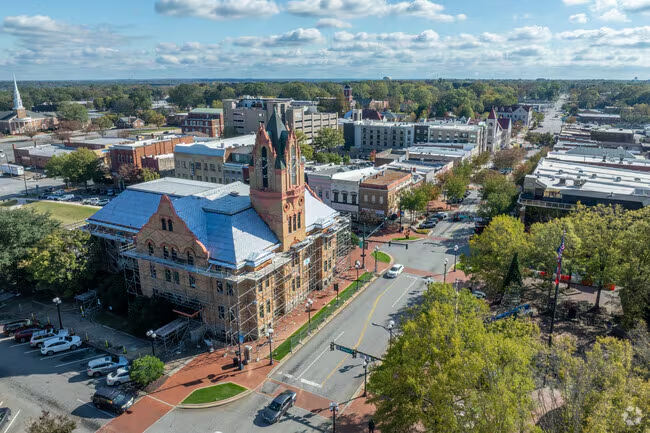
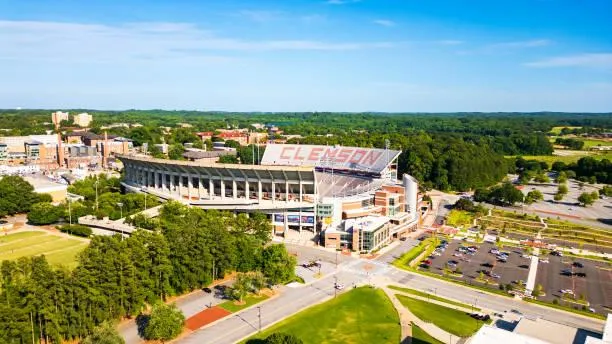
Water Damage Restoration Services Across Greenville and Surrounding Areas
More Cleanup, Drying, And Restoration Solutions For Different Water Loss Scenarios
Related Water Damage Services Across Greenville And The Upstate
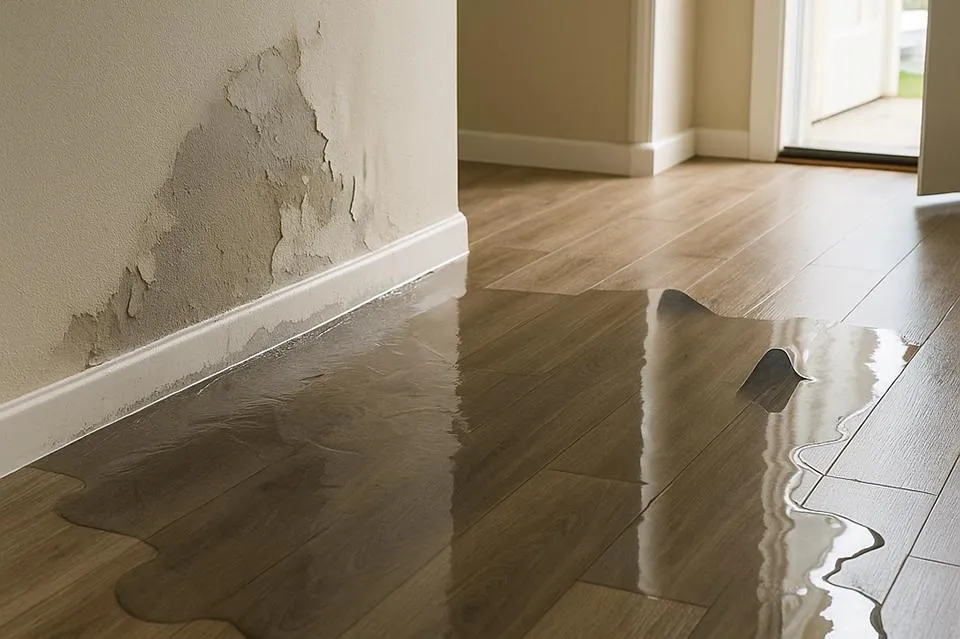
Water Damage Restoration (24/7 Emergency Service)
Full-service restoration for water intrusion, hidden moisture, structural drying, and damage recovery in Greenville homes and businesses.
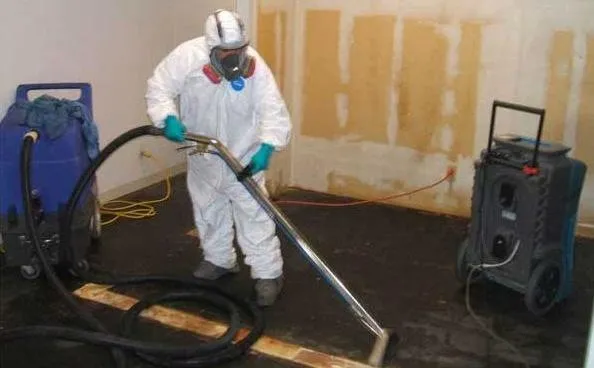
24/7 Emergency Water Removal & Cleanup
Rapid extraction to remove standing water before it spreads deeper into drywall, flooring, insulation, and subfloors.
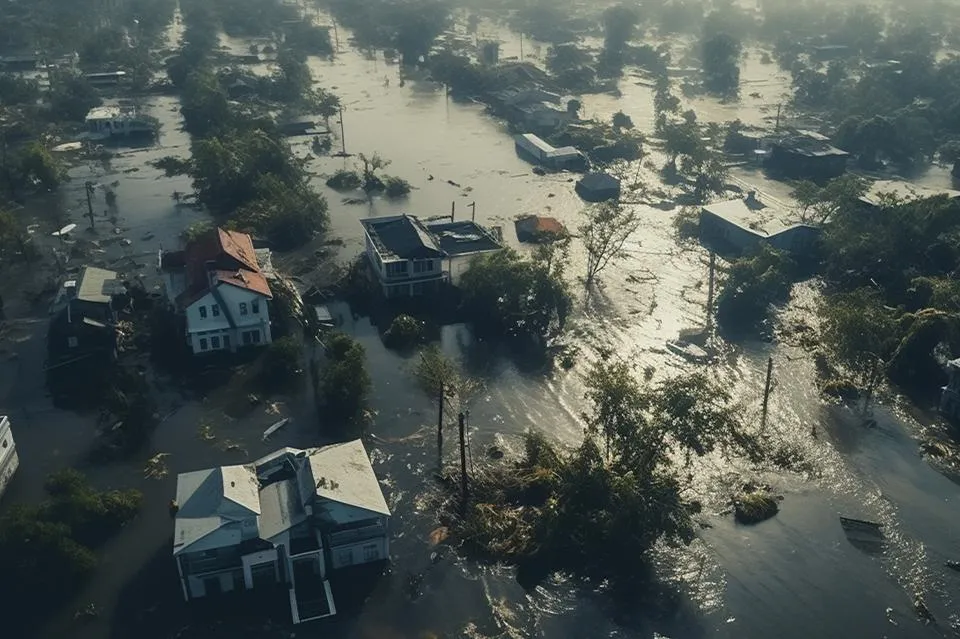
Flood Damage Cleanup & Restoration
Flood cleanup for larger water losses, contaminated water conditions, and widespread material saturation after storms or overflow events.
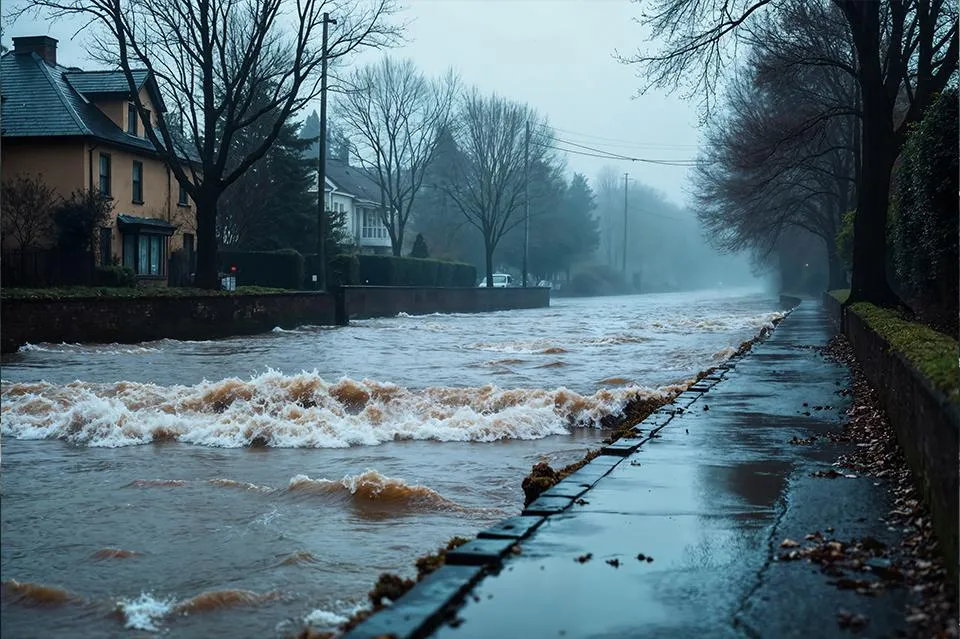
Storm Damage Restoration
Storm-related water intrusion cleanup for roof leaks, wind-driven rain, flooding, and moisture damage after severe weather.
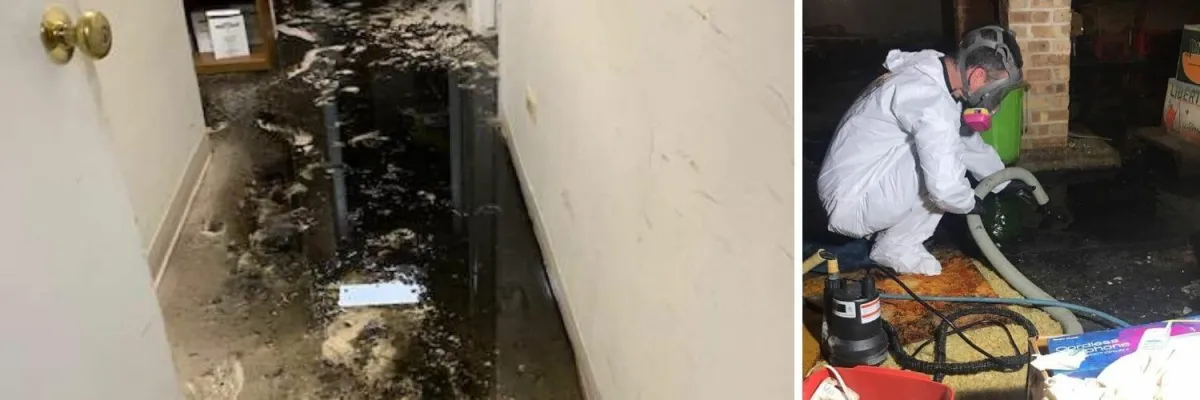
Sewage Backup Cleanup
Controlled cleanup for sewage intrusions with material evaluation, contamination precautions, and restoration planning.
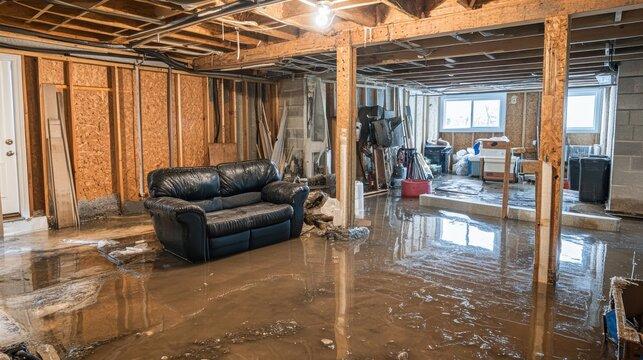
Burst & Frozen Pipe Water Cleanup
Emergency response for sudden pipe failures that release large volumes of water into walls, flooring, and ceilings.
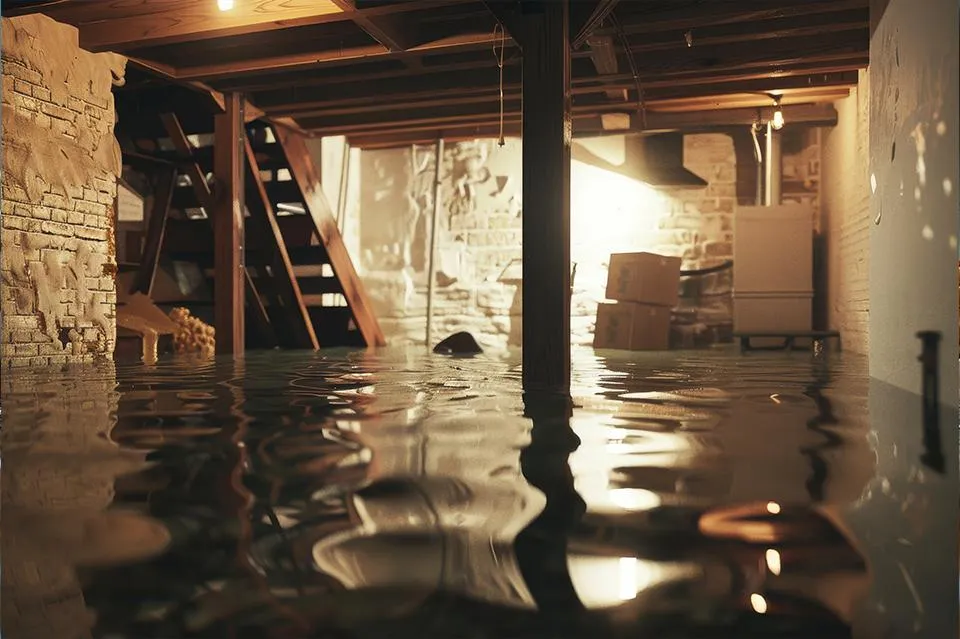
Basement Flooding Cleanup
Cleanup and drying for basement water losses caused by storms, seepage, plumbing failures, or drainage-related problems.
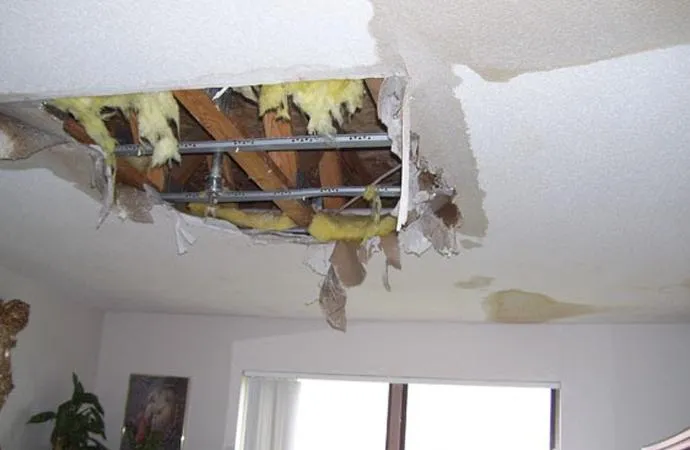
Roof Leak & Ceiling Water Damage
Restoration support for roof leak damage affecting insulation, ceilings, wall cavities, and surrounding building materials.
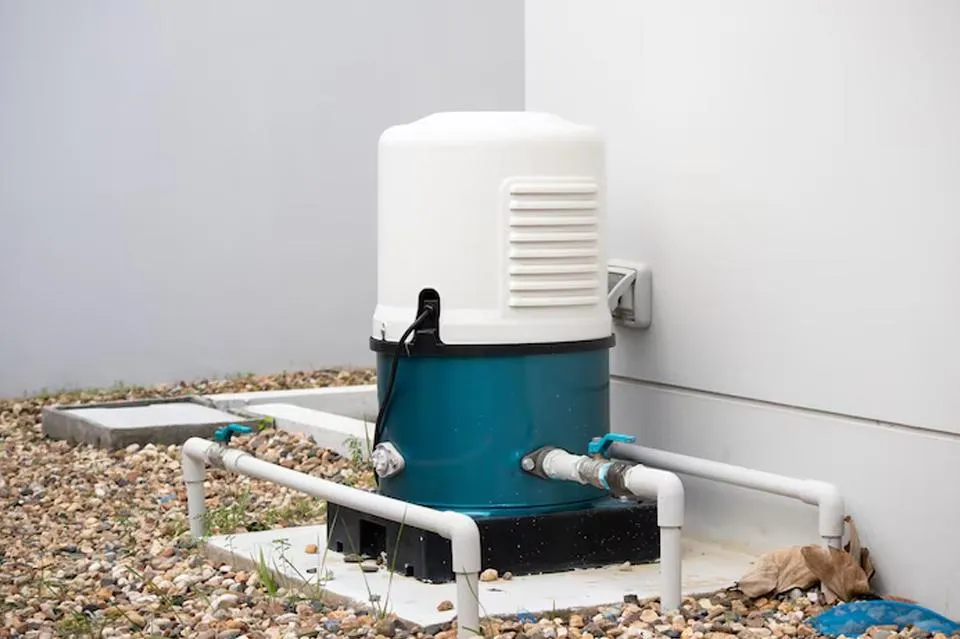
Sump Pump Failure Cleanup
Water removal and drying for sump-related flooding that can quickly affect floors, storage areas, and finished spaces.
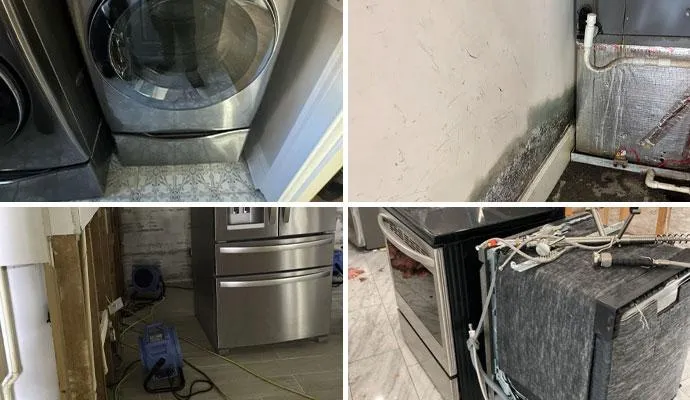
Appliance Leak & Overflow Cleanup
Targeted cleanup for dishwasher, washer, refrigerator, and water heater leaks that often damage cabinets and flooring.
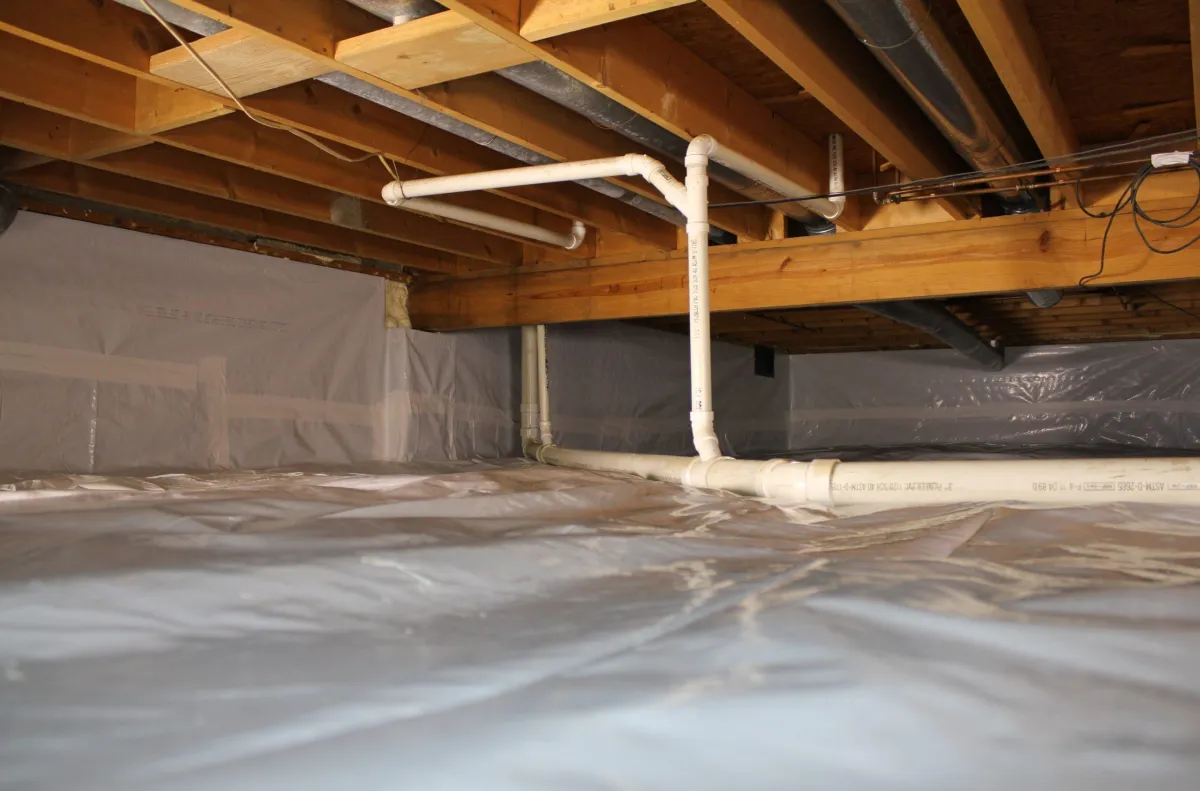
Crawl Space Water Damage
Moisture control and cleanup for wet crawl spaces where trapped humidity and standing water affect the structure above.
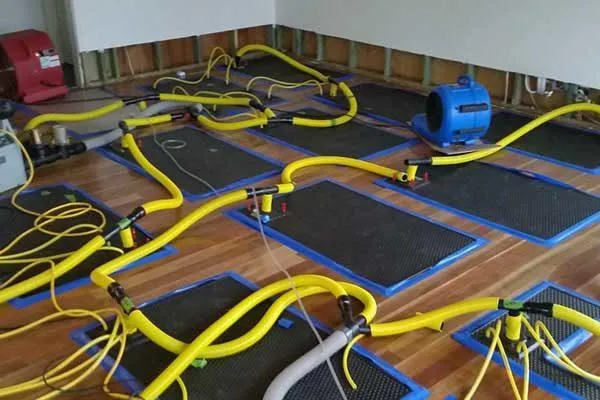
Drying & Dehumidification
Controlled drying focused on removing moisture from materials and air, not just making the surface look dry.
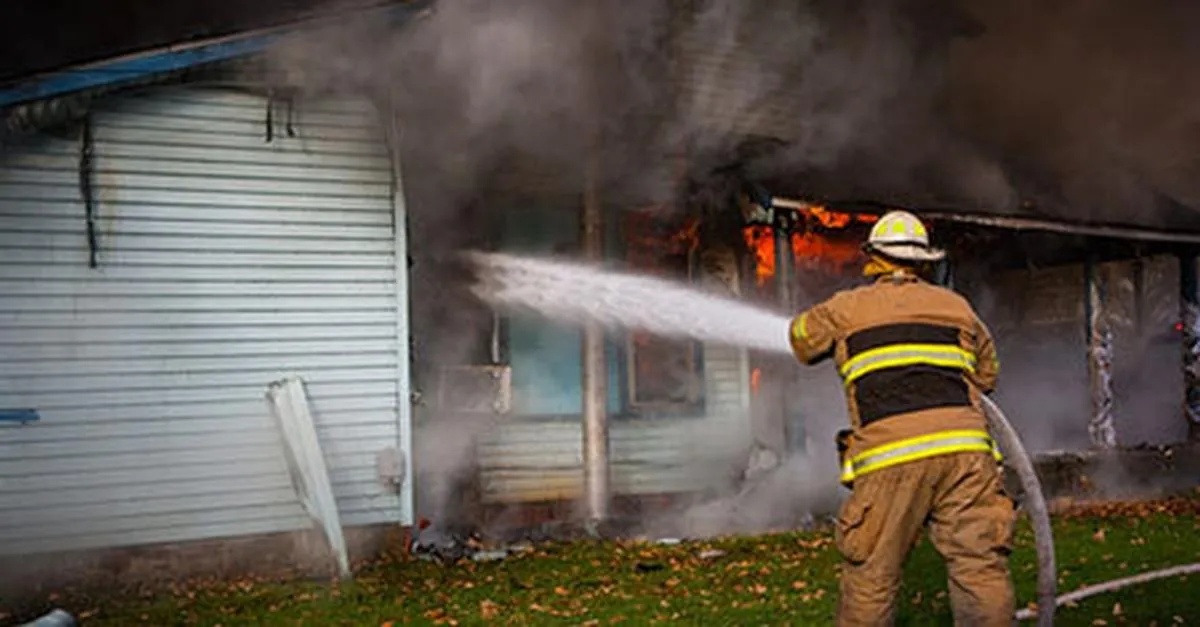
Fire Damage Restoration (Water Damage from Firefighting)
Cleanup and drying for water damage caused by firefighting efforts, including soaked materials and secondary moisture spread.
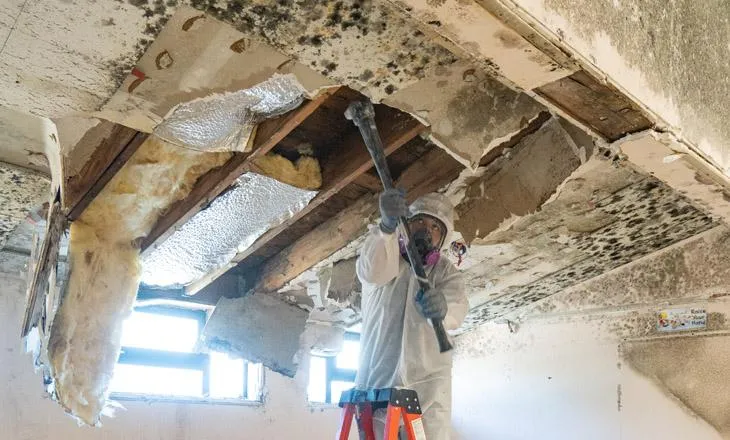
Mold Remediation & Prevention (Post-Water Damage)
Remediation and prevention planning when unresolved moisture leads to visible microbial growth after a water loss.
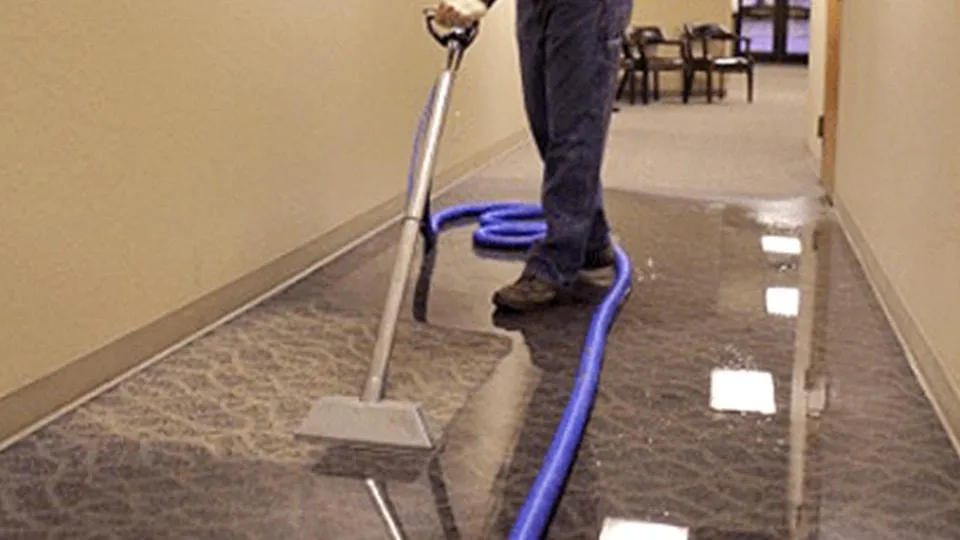
Carpet, Flooring & Upholstery Water Damage Cleanup
Material-specific cleanup and drying decisions for soft goods, carpet systems, hardwood, laminate, and upholstered surfaces.
Find the Google Business Profile Location Closest to You
Explore Our Full Water Restoration Services

Innovation
Fresh, creative solutions.

Integrity
Honesty and transparency.

Excellence
Top-notch services.
Need Emergency Water Damage Restoration in Greenville? Start With the Right Drying Plan
If water has entered your property, the next step is not to wait and see if it dries on its own. The right next step is to identify where the moisture went, remove standing water quickly, and begin a drying process that matches the materials, the structure, and the local conditions. DryDoctors Water Restoration of Greenville is built to respond to emergency water losses in Greenville, SC with extraction, moisture detection, structural drying, and restoration support that reflects how water actually behaves in Upstate homes and businesses.
COMPANY
CUSTOMER CARE
Copyright 2026. DryDoctors Water Restoration of Greenville. All Rights Reserved.