Why sewage backup needs a different response
When a main drain backs up, wastewater may come through floor drains, showers, toilets, or other low fixtures. That water can contain microorganisms and other contaminants. It should not be managed as if it were a clean water supply-line leak, even if the volume seems small.
What should you do immediately?
- Keep people and pets away. Avoid contact with affected water and materials.
- Stop using connected plumbing. Additional flushing or draining may worsen an active backup.
- Address the source. A plumber or utility may need to clear a blockage or investigate the sewer line.
- Avoid electrical hazards. Do not enter standing water around energized equipment.
- Seek professional assessment. The cleanup plan must account for contamination, affected assemblies, and appropriate protection.
Does every toilet overflow count as Category 3 water?
No. The circumstances matter. A backup involving sanitary sewage is generally treated as a highly contaminated loss, but a simple overflow with a different source may require a different assessment. The water's origin, contamination, and exposure conditions matter more than the fixture's name alone. A professional should determine the appropriate category and procedures.
Can contaminated carpet, drywall, or insulation be saved?
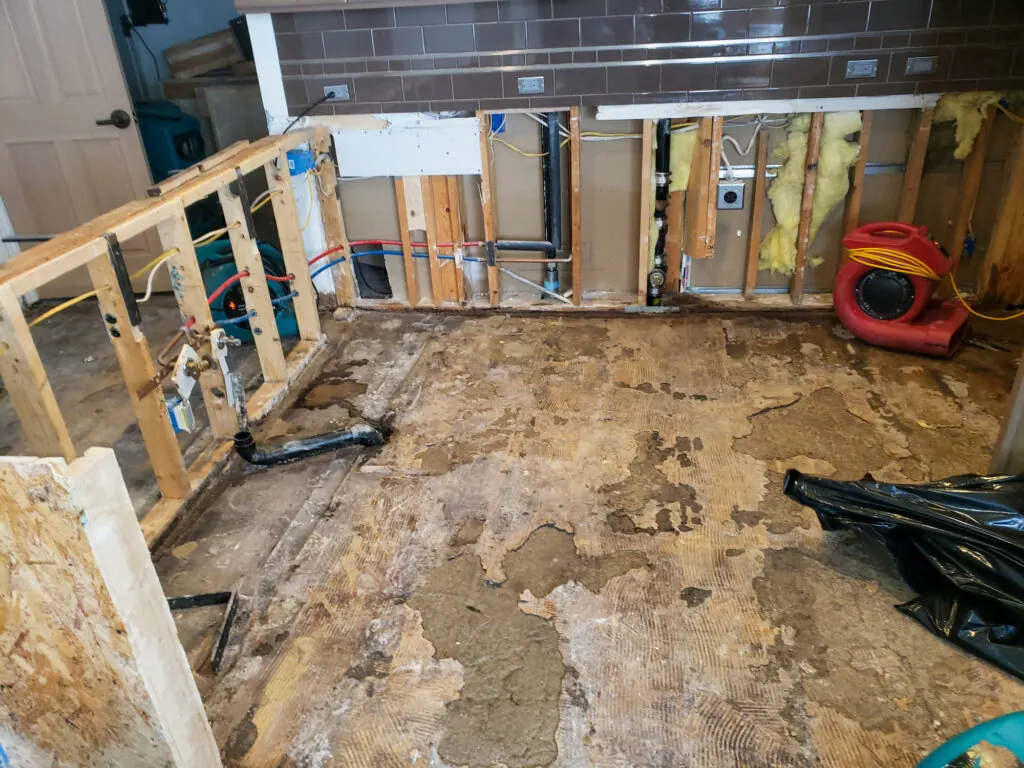
It depends on the material, contamination, and exposure. Porous materials affected by highly contaminated water may need removal rather than surface cleaning. Hard, nonporous surfaces may be more suitable for appropriate cleaning and decontamination. No one should promise that all affected materials can be saved without examining the loss.
What happens after the backup is stopped?
Cleanup can involve controlled removal of contaminated water and debris, appropriate material removal, cleaning, moisture assessment and restoration of affected assemblies. Repairs to the failed drain or sewer line are a separate scope and may require a licensed plumbing professional.
For sewage cleanup inquiries in Greenville and Upstate SC, call (864) 263-1325. Describe which fixtures backed up and which rooms were affected.