Why removing standing water is only the first step
A pump or extraction wand can remove accessible water, but building materials absorb moisture at different rates. Water may travel beneath floating flooring, into subfloors, behind baseboards, or through an opening in the wall. Whether a material can be dried in place depends on its construction, the source and condition of the water, and how long it has been affected.
Removes accessible bulk water to reduce further absorption.
Identifies affected materials and areas that may not look wet.
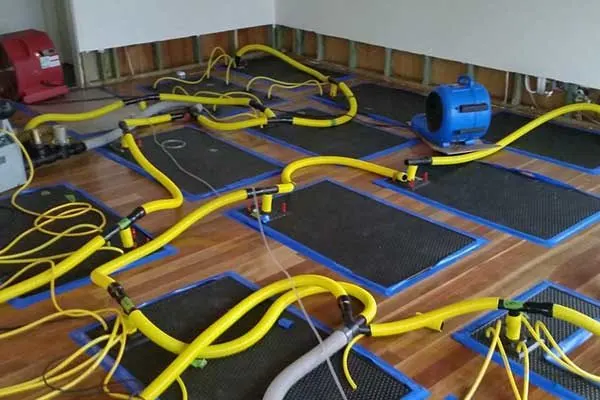
Uses an appropriate combination of airflow, dehumidification, and monitoring.
Determines whether affected components can be restored or need removal.
What should you do before a restoration professional arrives?
If you can safely shut off the source of the water, do so. Stay clear of standing water near electrical equipment or outlets. Avoid direct contact with suspected sewage or other contaminated water. Photograph visible conditions only where it is safe, and keep the source and timing of the event in mind when describing the loss.
Do not enter flooded spaces where electrical hazards may exist, and do not use an ordinary household vacuum to extract water. If sewage is involved, keep occupants and pets out of the affected space until it can be evaluated.
What determines whether drywall or flooring must be removed?
The answer isn't based on a single moisture reading. Professionals consider whether the water contains contaminants, what materials were contacted, whether cavities or insulation are affected, the condition of adhesives and flooring systems, and whether the assembly can be effectively accessed, cleaned and dried. A wet gypsum-board surface after a clean supply-line leak is a different scenario from porous materials contacted by sewage.
How long does structural drying take?
There is no responsible universal time promise. Drying varies with the amount and duration of wetting, indoor conditions, the material, equipment setup, and access to concealed spaces. A reliable completion decision uses measurements and documented progress rather than relying only on whether the room feels dry.
What does DryDoctors help with?
DryDoctors Water Restoration of Greenville connects property owners throughout the Upstate with water damage restoration services performed by IICRC-certified professionals. Calls can involve burst pipes, appliance overflows, water heaters, roof leaks, wet flooring, or water found in basements and crawl spaces.
For standing water, review emergency water removal. For drain backups or suspected sewage contamination, see sewage cleanup.
Need help now? Call (864) 263-1325 and explain where the water came from, when it was discovered, and what rooms are affected.