How Professional Water Damage Restoration Works
Water damage restoration is a controlled process of identifying affected materials, extracting recoverable water, managing contamination, drying structural assemblies and documenting progress. The appropriate steps depend on the water source and building materials—not simply how wet the room looks.
Why removing standing water is not the finish line
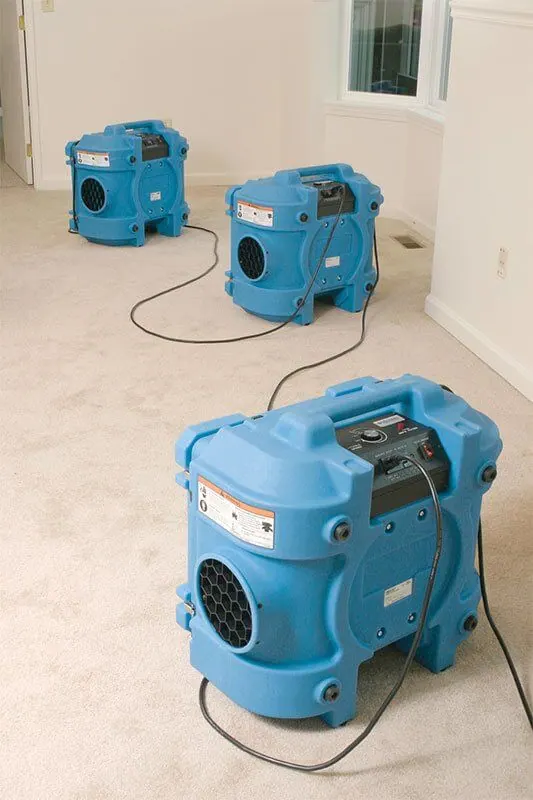
Water can move beneath floor coverings, into wall cavities and through openings in building assemblies. A floor that feels dry underfoot may have moisture in a subfloor or other less-visible layers. A complete response considers what became wet, whether contamination is present, and whether affected materials can be effectively dried.
The decisions that guide the work
This simplified guide describes a typical decision sequence; actual scope must be established on site.
- Make the area safe and control the source.
Address electricity, structural hazards and the incoming water before accessing the affected space.
- Assess contamination and affected materials.
Identify the source, visible boundaries and possible concealed wet areas.
- Extract and establish a drying plan.
Remove water, determine which materials can be retained and use appropriate drying methods.
- Measure and verify.
Monitor conditions and material readings to support decisions about completion and repairs.
Why water source matters
A failed supply line, a drain backup and exterior floodwater introduce different potential contamination concerns. The appropriate response depends on source conditions and the affected materials. Sewage exposure should be treated differently from a straightforward clean-water leak.
What about drywall and flooring?
Decisions about drywall, insulation, hardwood and cabinets depend on their composition, exposure, contamination and access to wet cavities. Not every water loss requires demolition, and not every wet material can be reliably restored by placing a fan nearby. A qualified professional should assess the actual assembly.
Where industry standards fit
ANSI/IICRC S500 provides a professional framework for water damage restoration. It informs assessment, drying strategy and monitoring, but it is not a fixed timetable that guarantees one drying duration for every property. For mold remediation, ANSI/IICRC S520 addresses a separate set of conditions and procedures.
What Greenville homeowners can do first
When safe, stop the source of water, avoid electrical or potentially contaminated areas, photograph affected rooms and call for a professional assessment. DryDoctors Water Restoration of Greenville connects homeowners and businesses across Greenville and Upstate South Carolina with restoration services performed by IICRC-certified professionals.