Why surface dryness can be misleading
Water can move through plank seams, along underlayment, and into wood-based subfloors. A dry surface is not conclusive evidence that the materials underneath have returned to appropriate moisture conditions.
Are tile, vinyl and wood floors affected differently?
Yes. Tile, grout, adhesive, underlayment, engineered wood, solid wood and subflooring react differently to water. Some surfaces resist immediate damage yet allow water to accumulate beneath them. Other materials may swell, cup or lose dimensional stability.
How is drying verified?
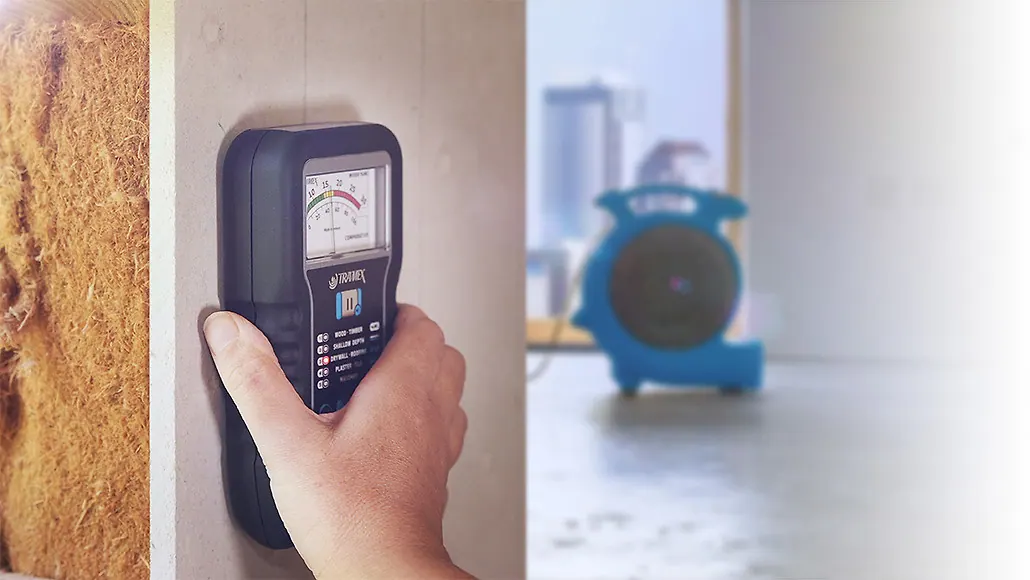
Professionals may use comparative moisture readings, material-appropriate instruments, environmental measurements and documented monitoring. The type of floor and extent of wetting determine whether access or selective removal is necessary.
Should you remove the flooring yourself?
Not without considering electrical safety, contamination, underlying hazards and whether removal will affect documentation or future repairs. If sewage or other contamination is suspected, avoid disturbing materials until a qualified professional evaluates the site.
For an overview of extraction, drying and repair decisions, see water damage restoration in Greenville.